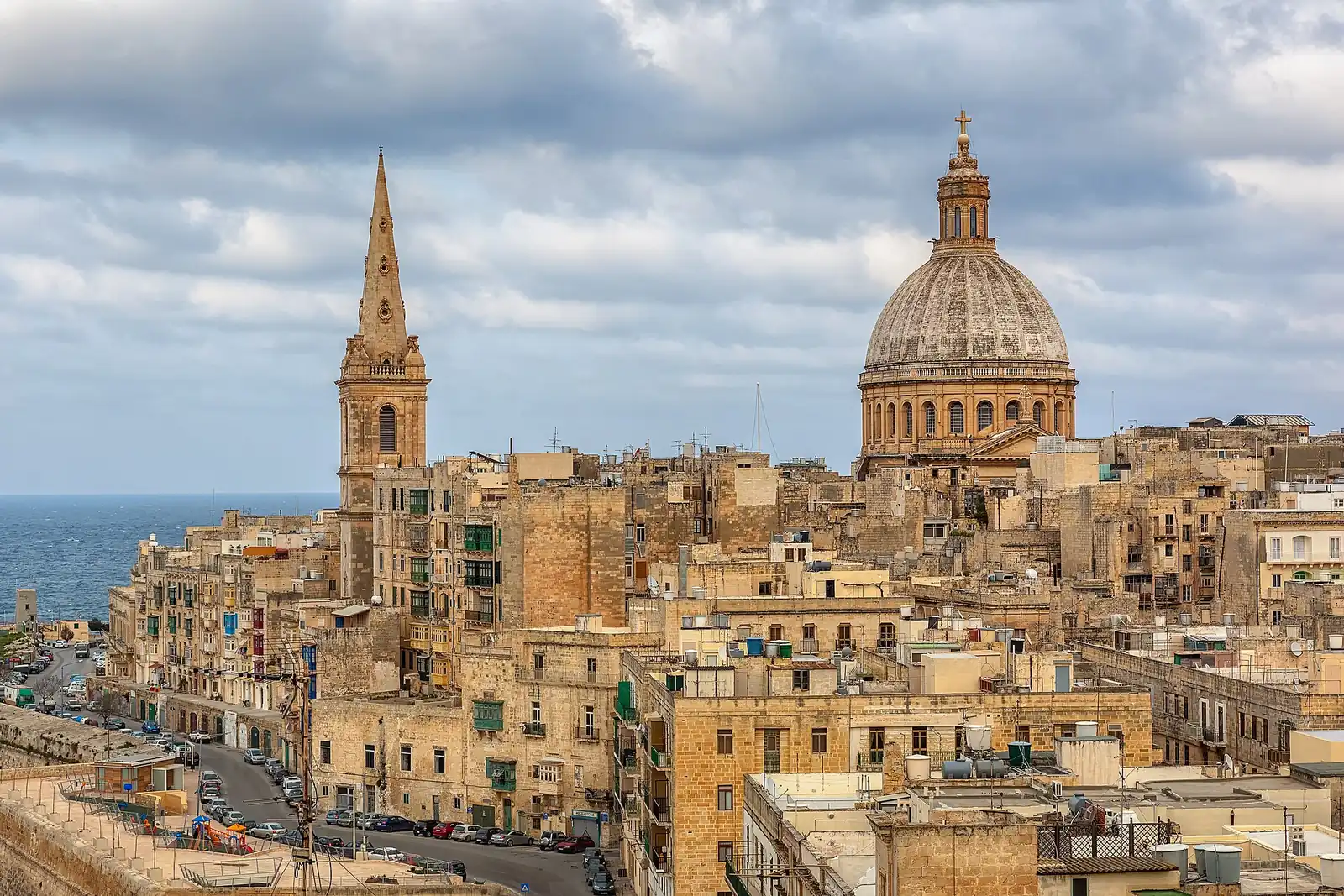
Moving to Malta
16 ways to move to Malta in our guide: 1 nomad / remote-work visa, 3 investor routes, 1 pay-to-stay route, 1 business / startup route, 4 work visas, 1 student visa, 1 route by nationality or ancestry, 4 spouse visas.
Remote workers: Nomad Residence Permit, €42k+ a year ≈ $47k. Smallest investment: Startup residence, €25k+ ≈ $28k. Tax for newcomers: Malta: not ordinarily resident or not domiciled, Remittance basis (non-dom). Checked against official sources on .
Malta is a small Mediterranean country with a wide range of residence routes, from investment-based permanent residence to remote-work permits, family-office structures, startup and employment routes, and study. Visas and tax are separate matters.
Nomad / Remote work · 1

Nomad Residence Permit
Income needed: €42k+ a year ≈ $47k
Investing · 3

MPRP
Investment needed: €97k ≈ $108k
Family Office residency
First stay: 3 yrs
Retire or live on savings · 1

Retirement Programme
Investment needed: €275k+ ≈ $307k
Business / Startup · 1

Startup residence
Investment needed: €25k+ ≈ $28k
Work · 4

Student · 1

Student permit
First stay: 1 yr
For your nationality or ancestry · 1

Open only to citizens of certain countries or to people with family roots here. Unlike free movement, each needs an application.
Spouse visas · 4

For people married to, or in a partnership with, a citizen or permanent resident.
Free movement and visa-free stays · 1
EU free movement · Lets you live here
Open to 31 passports: Austria, Belgium, Bulgaria, Croatia, Cyprus, Czechia, Denmark, Estonia, Finland, France, Germany, Greece, Hungary, Iceland, Ireland, Italy, Latvia, Liechtenstein, Lithuania, Luxembourg, Malta, Netherlands, Norway, Poland, Portugal, Romania, Slovakia, Slovenia, Spain, Sweden, Switzerland.
Tax
Tax is separate from immigration permission. Under the Nomad Residence Permit rules, qualifying permit holders pay a reduced rate on income from authorised remote work after the first period, with an option for tax to begin earlier, while other income follows ordinary Maltese rules; the guidance also says Nomad acceptance does not by itself grant Maltese tax residency. Separately, a person who is not ordinarily resident or not domiciled in Malta is taxed on foreign-source income only when it is received in Malta, and foreign capital gains are not taxed. Tax residence should be determined separately under Maltese law.
Special regime
Nomad Residence Permit authorised-work income tax rules
10% tax
Details
Qualifying permit holders pay 10% on income from authorised remote work after the first 12 months, with a statutory option for tax to begin earlier; other income follows ordinary rules.
Taxed on
Income from authorised remote work under the Nomad Residence Permit Income Tax Rules (employment or self-employed services for qualifying non-Maltese counterparties). Any other income is taxed under ordinary Maltese income-tax provisions.
Who it applies to
- Hold a valid Nomad Residence Permit and perform statutory “authorised work” remotely by telecommunications technology.
- For employment, the employer must not be Malta resident and must not carry on business in Malta through a fixed place of business. For self-employment, the client must not be Malta resident or carry on business there through a fixed place.
- The 12-month initial no-charge period runs from the later of the permit issue date or 1 January 2024. A written declaration filed by 31 January after the basis year may make income chargeable earlier if the first-year residence is not casual.
- Satisfactory official written proof of at least 10% foreign tax on authorised-work income, delivered to Residency Malta by 31 March following the basis year, can remove the Malta return requirement for that year unless other chargeable income/gains must be reported.
Exclusions
- Only income from authorised work is subject to the 10% rate after the no-charge period. Other income follows the ordinary Income Tax Act provisions.
- Local Maltese employer/client work is outside authorised work and may cause ordinary progressive taxation and permit consequences.
- Foreign tax proof of less than 10% does not waive a Malta return; foreign tax relief then requires a valid Malta return with evidence.
- A permit or automatic tax registration is not tax residence. VAT, social contributions and treaty/home-country obligations remain separate.
Tax residence
Tax registration may occur after issuance of a Nomad Residence Card under Rule 4(1), but the MTCA guideline of 12 March 2026 says Nomad acceptance does not grant Maltese tax residency. Immigration permission, registration and the residence certificate are distinct.
Visas
Tax rules are linked to qualifying authorised work under a valid Nomad Residence Permit, but possession of the permit alone is insufficient.
Other taxes
Eligible applicants are not subject to Final Settlement System payments while continuing with a qualifying nonresident employer. Income tax filings and payment, other income, social contributions, VAT, and home-country or treaty obligations remain separate.
Checked against official sources on Change log
Special regime
Malta: not ordinarily resident or not domiciled - foreign-source income taxed only when received in Malta
Tax relief
Details
- On: Income arising outside Malta and received in Malta (remittance basis)
- Who: Not ordinarily resident in Malta, or not domiciled in Malta
For a person who is not ordinarily resident or not domiciled in Malta, income arising outside Malta is taxed only on the amount received in Malta and capital gains arising outside Malta are not taxed; Maltese-source income is taxed normally.
Taxed on
Income arising outside Malta and received in Malta (remittance basis), plus all Maltese-source income and Maltese capital gains;.
Who it applies to
- Not ordinarily resident in Malta, or not domiciled in Malta (Income Tax Act proviso (i) and (ii)).
- Persons charged at 15 cents in the euro under article 56(11) are taxed only on Maltese-source income and capital gains and on foreign-source income received in Malta.
Exclusions
- Maltese-source income and Maltese capital gains are fully taxable.
- Foreign-source income that is received in Malta (including foreign-source income remitted) is taxed.
Tax residence
Status depends on ordinary residence and domicile as defined for Maltese tax law; visa status is not the test.
Visas
Independent of the immigration permit.
Other taxes
Social security contributions and VAT are separate; Nomad Residence Permit income rules are in a separate record.
Checked against official sources on Change log
Standard rules
Malta resident individuals: income tax 0% / 15% / 25% / 35% (single rates, 2026)
35% tax
Details
- Limit: €12k/yr ≈ $13k
For 2026 a single resident individual in Malta pays 0% on chargeable income up to EUR 12,000, (≈ $13,400) 15% from EUR 12,001 (≈ $13,400) to EUR 16,000, (≈ $17,900) 25% from EUR 16,001 (≈ $17,900) to EUR 60,000 (≈ $67,000) and 35% above EUR 60,000 (≈ $67,000); married, parent and other rate tables have higher 0% bands.
Taxed on
Chargeable income of the individual in the 2026 tax year. Single rates: 0% to EUR 12,000 (≈ $13,400); 15% to EUR 16,000 (≈ $17,900) (subtract EUR 1,800 (≈ $2,010)); 25% to EUR 60,000 (≈ $67,000) (subtract EUR 3,400 (≈ $3,800)); 35% above EUR 60,000 (≈ $67,000) (subtract EUR 9,400 (≈ $10,500)). Top marginal rate shown as ratePercent.
Who it applies to
- Single, married, parent and other rate tables are published separately by the Malta Tax and Customs Administration; the single table is shown here.
- Foreign-source income of a person resident but not domiciled or not ordinarily resident in Malta is taxed only when received in Malta (see “Malta: not ordinarily resident or not domiciled - foreign-source income taxed only when received in Malta”).
Limits
- EUR 12,000 a year (≈ $13,400) · 0% band for single rates
- EUR 16,000 a year (≈ $17,900) · 15% band ends; 25% applies up to EUR 60,000 (≈ $67,000)
- EUR 60,000 a year (≈ $67,000) · 35% applies to chargeable income above EUR 60,000 (≈ $67,000)
Tax residence
Residence for the ordinary rates and the remittance basis follows residence and domicile in Malta under the Income Tax Act.
Visas
Tax residence follows presence and domicile, not the visa category.
Other taxes
Social security contributions apply separately.
Checked against official sources on Change log
Special regime
Malta Global Residence Programme: 15% on foreign-source income received in Malta, minimum EUR 15,000 a year
15% tax
Details
- Limit: €15k/yr ≈ $17k
Beneficiaries of the Global Residence Programme pay 15% on foreign-source income received in Malta, with a minimum tax of EUR 15,000 (≈ $16,800) a year for the beneficiary, spouse and qualifying children; other income, including Maltese-source income, is taxed at 35%. A qualifying property must be owned (EUR 275,000, (≈ $307,000) or EUR 220,000 (≈ $246,000) in the south of Malta or Gozo) or rented (EUR 9,600, (≈ $10,700) or EUR 8,750, (≈ $9,770) a year).
Taxed on
Income arising outside Malta in the preceding year that is received in Malta by the beneficiary, the spouse and the dependent children covered by the rules, at 15% with a EUR 15,000 (≈ $16,800) minimum. Income not charged at 15%, including Maltese-source income, is charged at 35% as separate income.
Who it applies to
- Applicant is not an EU national and not a national of Iceland, Norway, Liechtenstein or Switzerland.
- Owns Maltese immovable property worth at least EUR 275,000 (≈ $307,000) (EUR 220,000 (≈ $246,000) in the south of Malta or Gozo), or rents property at not less than EUR 9,600 (≈ $10,700) a year (EUR 8,750 (≈ $9,770) in the south or Gozo) under a lease of at least 12 months.
- Holds stable and regular resources and health insurance covering Malta and communicates in an official language of Malta; applies through an authorised registered mandatary.
- Minimum tax is payable by 30 April of the year before the year of assessment, in full in the year status is granted and the year it ends, and is not refundable.
Exclusions
- A beneficiary who becomes a long-term resident is taxable on income from Malta or elsewhere, whether received in Malta or not, at the ordinary article 56 rates.
- Double taxation relief can be claimed under article 74(a) and (b) of the Income Tax Act.
Limits
- EUR 15,000 a year (≈ $16,800) · Minimum annual tax on income arising outside Malta
- EUR 275,000 (≈ $307,000) · Minimum value of owned property (EUR 220,000 (≈ $246,000) in the south of Malta or Gozo)
- EUR 9,600 a year (≈ $10,700) · Minimum annual rent (EUR 8,750 (≈ $9,770) in the south of Malta or Gozo)
Tax residence
The 15% rate applies to foreign-source income received in Malta; foreign-source income not received in Malta is outside the charge.
Visas
The special tax status is granted to holders of the programme's residence status for the duration set in the rules.
Other taxes
VAT and social security contributions apply separately.
Checked against official sources on Change log
Special regime
Malta Retirement Programme: 15% on foreign-source income received in Malta, minimum tax EUR 7,500 a year
15% tax
Details
- Limit: €7,500/yr ≈ $8,380
Beneficiaries of the Malta Retirement Programme pay 15% on foreign-source income received in Malta, with a minimum tax of EUR 7,500 (≈ $8,380) a year for the beneficiary and EUR 500 (≈ $560) for each dependant; other income is taxed at 35%.
Taxed on
Income arising outside Malta that is received in Malta by the beneficiary, the spouse and qualifying children, at 15% with double-taxation relief available under article 74(a) and (b) of the Income Tax Act. Income not charged at 15% is charged as separate income at 35%.
Who it applies to
- Not a Maltese national, not domiciled in Malta and no intention to establish domicile within five years.
- Receives a pension, all of it received in Malta, making up at least 75% of chargeable income.
- Not in an employment relationship; non-executive board posts and public-interest activities are allowed.
- Holds a qualifying property: bought on or after 1 July 2013 for at least EUR 275,000 (≈ $307,000) (EUR 220,000 (≈ $246,000) in Gozo or the south of Malta), or rented at EUR 9,600 (≈ $10,700) a year or more (EUR 8,750 (≈ $9,770) in Gozo or the south), and occupied as primary residence.
- Has sickness insurance for all risks across the EU and a valid travel document; applies through an authorised registered mandatary with a EUR 2,500 (≈ $2,790) fee.
Exclusions
- Not available to beneficiaries of the Global Residence Programme, high-net-worth, Highly Qualified Persons, aviation, innovation and maritime personal tax rules, the Residence Programme or UN pensions rules.
- A beneficiary who becomes a long-term or permanent resident of Malta is taxed on all income, whether received in Malta or not, at the ordinary article 56 rates.
- The status ends if the qualifying property is no longer held, the pension is not received in Malta, insurance lapses or domicile in Malta is established.
Limits
- EUR 7,500 a year (≈ $8,380) · Minimum annual tax for the beneficiary
- EUR 500 a year (≈ $560) · Minimum annual tax for each dependant and special carer
- EUR 275,000 (≈ $307,000) · Minimum value of an owned qualifying property (EUR 220,000 (≈ $246,000) in Gozo or the south of Malta)
- EUR 9,600 a year (≈ $10,700) · Minimum annual rent of a qualifying rented property (EUR 8,750 (≈ $9,770) in Gozo or the south of Malta)
Days in the country
- At least 90 days in per year, averaged over any five-year period · Minimum time resident in Malta to keep the special tax status
- More than 183 days in calendar year · Staying more than this in any other jurisdiction ends the special tax status
Tax residence
The status requires living in the qualifying property as primary residence, at least 90 days a year in Malta averaged over five years and no more than 183 days in any other single jurisdiction in a calendar year.
Visas
A tax status granted by the Commissioner for Revenue. Non-EU nationals apply separately for a temporary residence permit as economic self-sufficient persons (EUR 100 (≈ $110) fee).
Other taxes
VAT, social security and local taxes apply separately. The minimum tax is not refundable.
Checked against official sources on , some details partly verifiedChange log
Special regime
Malta Highly Skilled Individuals Rules 2026: 15% flat tax on qualifying employment income (replaces the Highly Qualified Persons Rules for new applicants)
15% tax
Details
- On: Employment income (article 4(1)(b) of the Income Tax Act
- Limit: €65k/yr ≈ $73k
Employees in listed senior and specialist roles at regulated or recognised undertakings can elect a flat 15% tax on qualifying employment income (minimum EUR 65,000 (≈ $72,600)) for five years, with two possible five-year extensions, under the Tax Treatment of Highly Skilled Individuals Rules, 2026, in force from 1 January 2026. The earlier Highly Qualified Persons Rules issue no determination for applications made after 31 December 2025.
Taxed on
Employment income (article 4(1)(b) of the Income Tax Act, excluding fringe benefits) from a qualifying contract in an eligible office, with a deemed minimum of EUR 65,000 (≈ $72,600) (raised by EUR 10,000 (≈ $11,200) every five years). The 15% rate applies to emoluments up to EUR 7,000,000 (≈ $7,820,000); anything above is taxed at the ordinary rates. The 15% applies without relief, deduction or credit other than tax deductions under article 23 of the Income Tax Management Act.
Who it applies to
- Eligible office listed in the Schedules, where the job, the employee or the employer is regulated, licensed or recognised by the Malta Financial Services Authority, the Malta Gaming Authority, the Authority for Transport in Malta (aviation, maritime and offshore oil and gas servicing), the Office of the Chief Medical Officer or Malta Enterprise.
- Listed offices include chief executive, risk, financial, operations, technology, information and commercial officers, heads of compliance and anti-money-laundering, portfolio managers and senior traders, named aviation and maritime posts, and embryologist, responsible person and lead quality manager in assisted reproductive technology.
- Professional qualifications (an education qualification from studies of at least three years, or at least five years of comparable professional experience) and a formal determination from the competent authority, which decides within 90 days of the application.
- Not domiciled in Malta, with stable and regular resources, normal accommodation, a valid travel document and private medical insurance.
- Full disclosure and tax declaration in Malta of qualifying income and income from persons related to the employer.
- Applications for a determination can be made between 1 January 2026 and 31 December 2035.
Exclusions
- People who have benefited under article 6 of the Income Tax Act cannot be beneficiaries.
- The option cannot be exercised for any year of assessment before 2027.
- No benefit applies to income earned after 31 December 2040.
- Under the earlier Highly Qualified Persons Rules no determination is issued for applications made after 31 December 2025 and no benefit applies after year of assessment 2030; people who qualified under them on 31 December 2025 can apply by 31 December 2028 to be treated as beneficiaries under the 2026 rules.
Limits
- EUR 65,000 a year (≈ $72,600) · Minimum qualifying employment income, raised by EUR 10,000 (≈ $11,200) every five years; a lower transitional minimum applies for the first two years to people moving from earlier rules whose minimum was below EUR 65,000 (≈ $72,600)
- EUR 7,000,000 a year (≈ $7,820,000) · The 15% rate applies to emoluments up to this amount; the excess is taxed at ordinary rates
Tax residence
The benefit covers employment income earned during five years starting with the year for which the determination is issued; two further five-year extensions can be requested in the year before each period ends.
Visas
Independent of the immigration permit; the employee usually holds a Single Permit, Key Employee Initiative, Specialist Employee Initiative or EU Blue Card.
Other taxes
Social security contributions and VAT apply separately.
Checked against official sources on , some details partly verifiedChange log
Checked against official sources on Change log
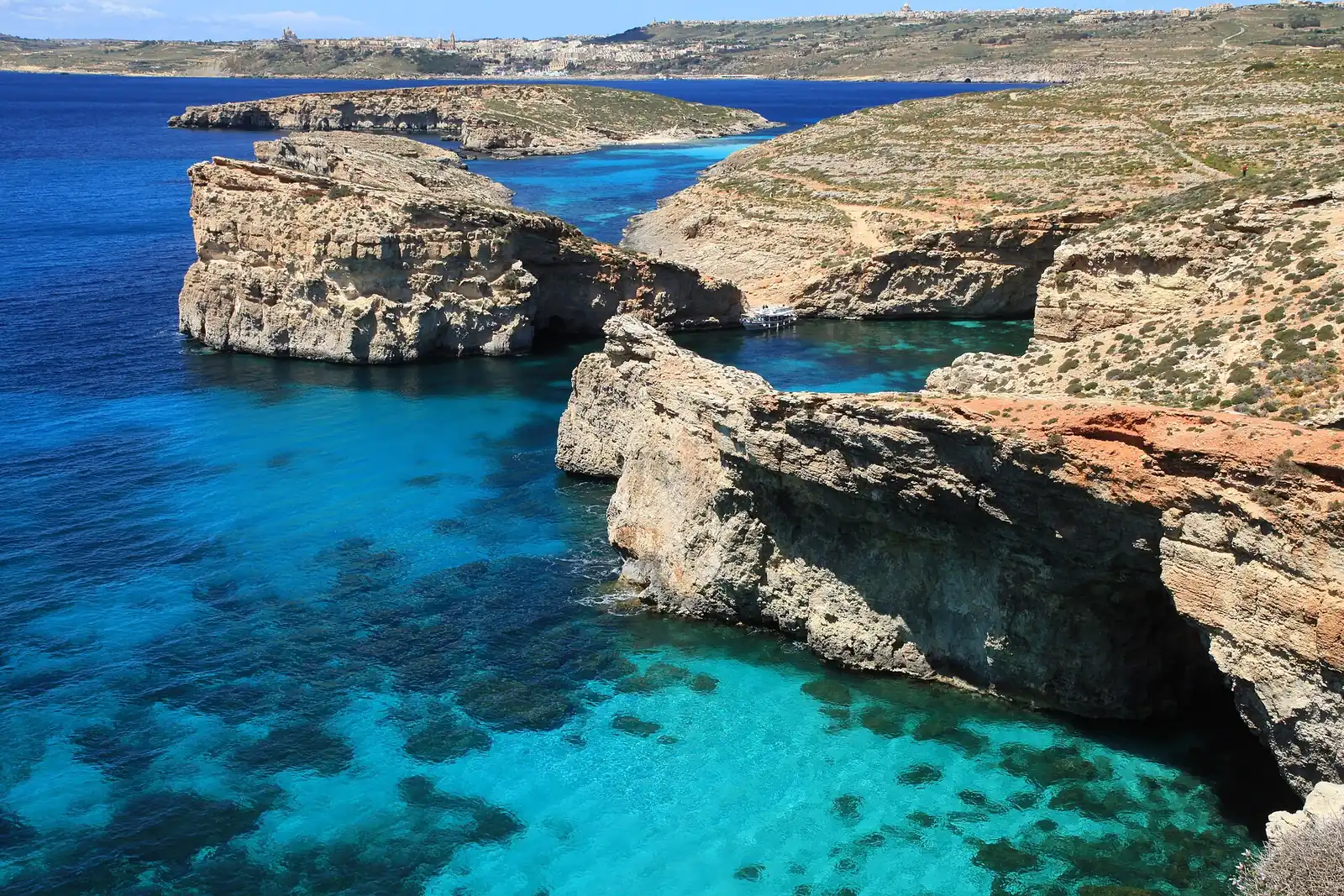
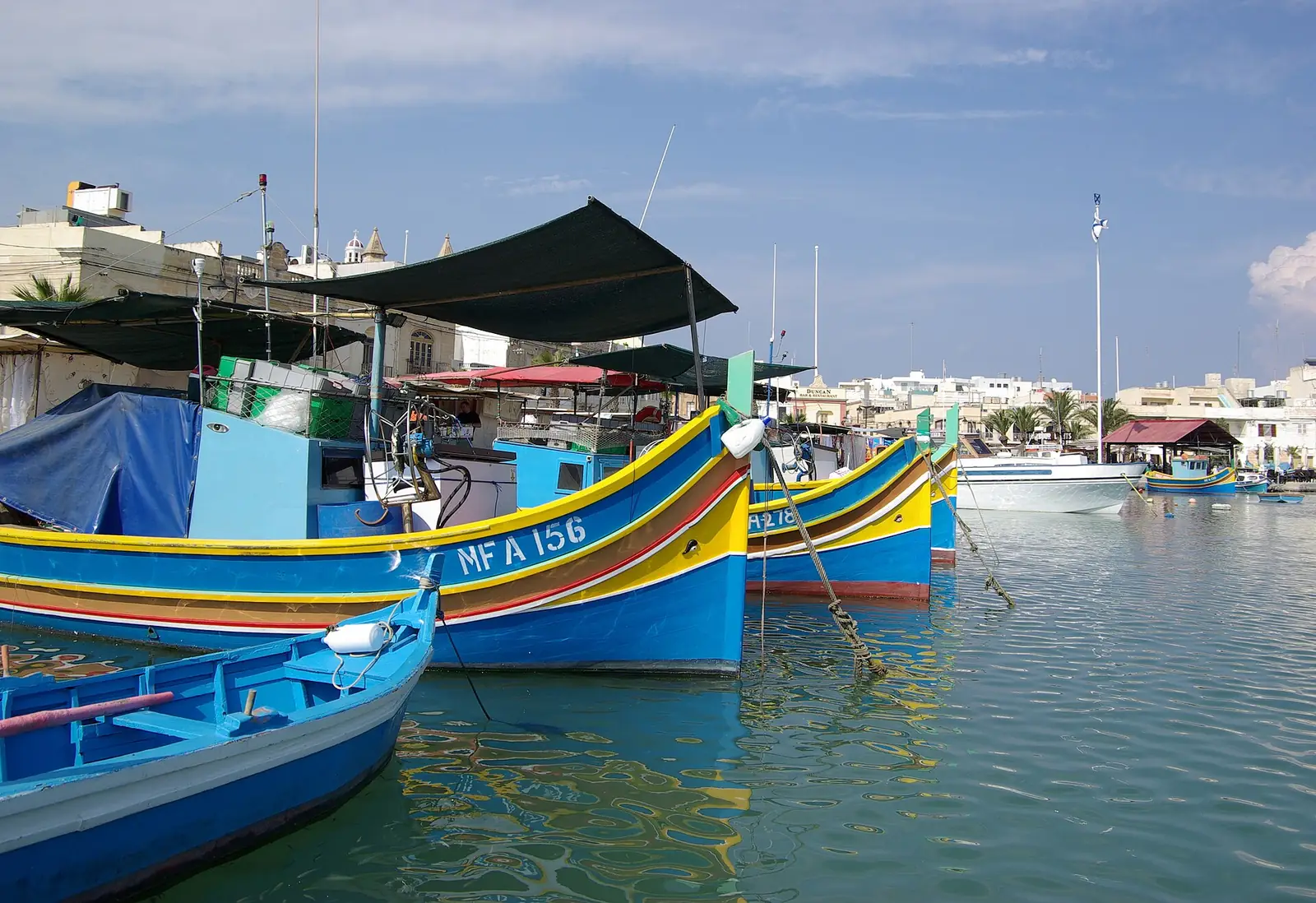
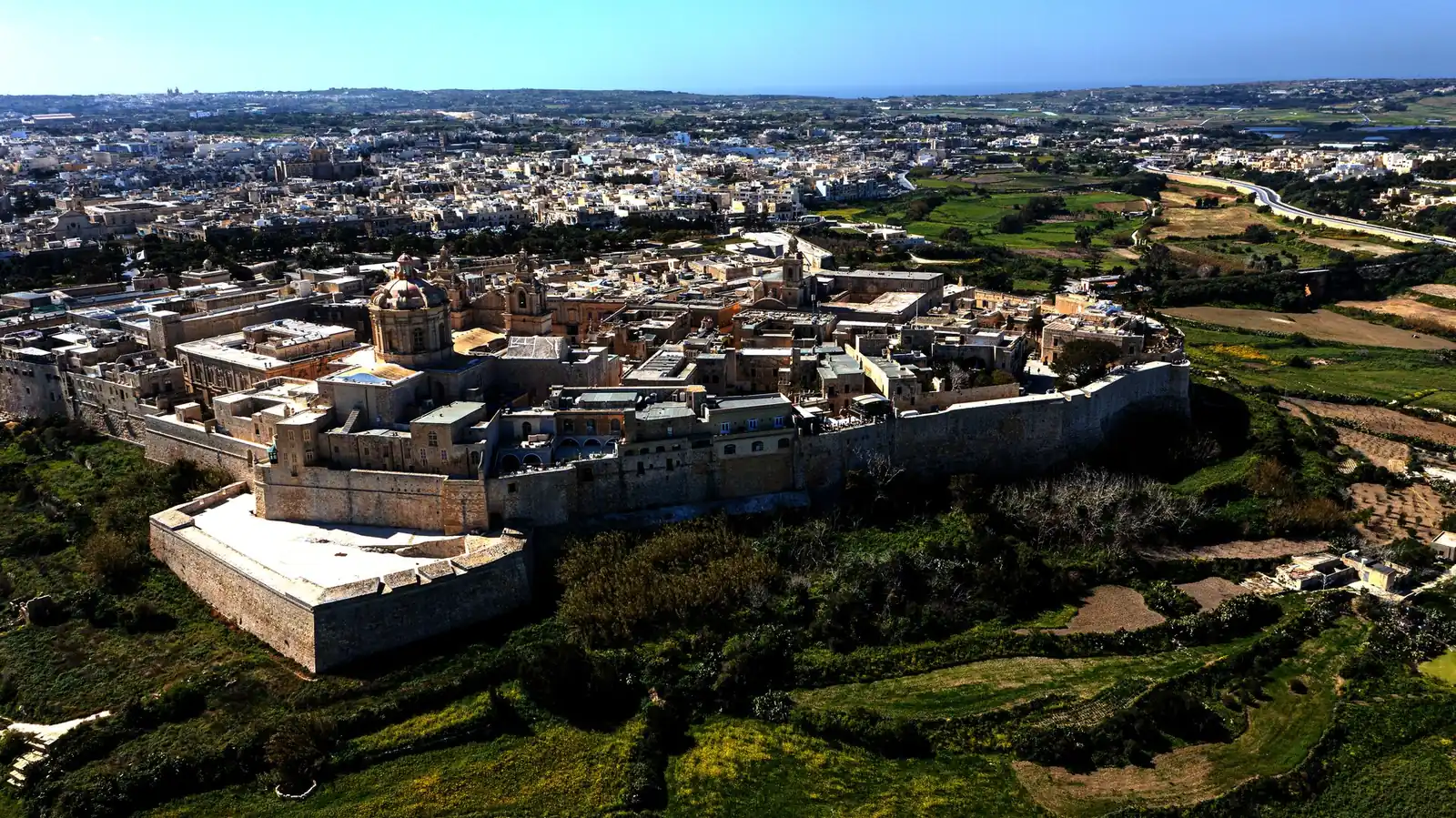
Malta in pictures
Path to permanent residence · 4
- PR after 5 years · Malta Permanent Residence Programme: purchased property (EUR 375,000)
- PR after 5 years · Malta Permanent Residence Programme: rented property (EUR 14,000 a year)
- Citizenship · Maltese citizenship by registration for descendants of persons born in Malta (Maltese Citizenship Act Article 5(3))
- PR after 5 years · Long-term resident status (S.L. 217.05)
Arriving in Malta: first steps
- Arrange qualifying health insurance for yourself and any dependants, as required by your route.
- Secure accommodation that meets the conditions of your permit, whether rented or purchased.
- For remote-work permits, keep evidence of your foreign employer, company or clients and of your time resident in Malta for renewal.
- For study permits, keep your acceptance letter, tuition payment proof and accommodation details ready.
Questions people ask
What is the Malta digital nomad visa income requirement in 2026?
Malta has 1 nomad or remote-work visa. Nomad Residence Permit asks for an income of at least EUR 42,000 a year (≈ $46,900) and gives a first stay of 1 year that can be renewed.
How much do you need to invest for residency in Malta?
Malta has 3 investor routes. MPRP · Buy property asks for an investment of EUR 97,000 (≈ $108,000) and gives a first stay of 5 years that can be renewed. MPRP · Rent property asks for an investment of EUR 97,000 (≈ $108,000) and gives a first stay of 5 years that can be renewed. Family Office residency gives a first stay of 3 years that can be renewed.
Can I retire or live in Malta on my savings or pension?
Malta has 1 retirement or pay-to-stay route. Retirement Programme asks for an investment of at least EUR 275,000 (≈ $307,000).
Can I move to Malta by starting a business?
Malta has 1 business or startup route. Startup residence asks for an investment of at least EUR 25,000 (≈ $27,900) and gives a first stay of 3 years that can be renewed.
What work visas does Malta offer foreigners?
Malta has 4 work visas. Blue Card gives a first stay of 2 years that can be renewed. Key Employee asks for a salary of at least EUR 45,000 a year (≈ $50,300) and gives a first stay of 1 year that can be renewed. There is also Single Permit (work).
How do I get a student visa for Malta?
Malta has 1 student visa. Student permit gives a first stay of 1 year that can be renewed.
Can my nationality or ancestry give me residence in Malta?
Yes. Malta has 1 route by nationality or ancestry. It is Maltese citizenship by descent.
Can I join my spouse or partner in Malta?
Yes. Malta has 4 spouse visas. Spouse of a resident (policy) asks for an income from EUR 18,940 a year (≈ $21,200). Spouse of a resident gives a first stay of 1 year that can be renewed. There is also Spouse of a citizen.
Does Malta have a special tax regime for new residents?
Yes: Malta: not ordinarily resident or not domiciled - foreign-source income taxed only when received in Malta. For a person who is not ordinarily resident or not domiciled in Malta, income arising outside Malta is taxed only on the amount received in Malta and capital gains arising outside Malta are not taxed; Maltese-source income is taxed normally. It is separate from the visa and has its own conditions.
Compare with
≈ USD figures are approximate: daily reference rates from ExchangeRate-API, dated 12 Oct 2026, refreshed when the site is updated.
Ask the AI about Malta AI
An AI assistant answers from the published records on this page and cites them. It can't assess your personal eligibility. Don't include personal details.