
Moving to Germany
17 ways to move to Germany in our guide: 1 talent scheme, 1 working holiday visa, 2 business / startup routes, 7 work visas, 1 student visa, 3 routes by nationality or ancestry, 2 spouse visas.
No digital nomad visa. Checked against official sources on .
Germany offers a range of residence permits for work, study, business and holiday stays. The right route depends on your qualifications, plans and nationality, and each has its own requirements.
Top options in Germany · 1
Talent schemes
Opportunity Card
First stay: 3 yrs
Working holiday · 1

Working Holiday
Age limit and funds needed: Ages and funds vary by passport
Business / Startup · 2

Freelancer permit
Self-employed permit
First stay: 3 yrs
Work · 7

Student · 1

Student permit
First stay: 2 yrs
For your nationality or ancestry · 3

Open only to citizens of certain countries or to people with family roots here. Unlike free movement, each needs an application.
Spouse visas · 2

For people married to, or in a partnership with, a citizen or permanent resident.
Spouse of a citizen
Spouse of a resident
Free movement and visa-free stays · 1
EU free movement · Lets you live here
Open to 31 passports: Austria, Belgium, Bulgaria, Croatia, Cyprus, Czechia, Denmark, Estonia, Finland, France, Germany, Greece, Hungary, Iceland, Ireland, Italy, Latvia, Liechtenstein, Lithuania, Luxembourg, Malta, Netherlands, Norway, Poland, Portugal, Romania, Slovakia, Slovenia, Spain, Sweden, Switzerland.
Tax
Residents are taxed on worldwide income under the German income tax scale, with a zero band up to a threshold, then progressive rates. Solidarity surcharge and church tax are separate. Visa and tax are separate matters.
Standard rules
German income tax (Einkommensteuer): scale from 2026
Worldwide income
Details
- On: Taxable income of residents (worldwide income, including foreign-source income)
- Who: Tax resident with a domicile (section 8 AO) or habitual abode
- Limit: €12k/yr ≈ $14k
Residents are taxed on worldwide income. The 2026 tariff is zero up to EUR12,348, (≈ $13,800) rising progressively to a 42% marginal rate from EUR69,879 (≈ $78,100) and 45% from EUR277,826 (≈ $310,000).
Taxed on
Taxable income of residents (worldwide income, including foreign-source income); solidarity surcharge and church tax are separate.
Who it applies to
- Tax resident with a domicile (section 8 AO) or habitual abode (section 9 AO) in Germany.
Limits
- EUR 12,348 a year (≈ $13,800) · Basic allowance (Grundfreibetrag) from assessment year 2026
- EUR 17,799 a year (≈ $19,900) · Upper end of the first progressive zone
- EUR 69,878 a year (≈ $78,100) · Upper end of the second progressive zone; 42% marginal rate from EUR69,879 (≈ $78,100)
- EUR 277,825 a year (≈ $310,000) · 45% marginal rate from EUR277,826 (≈ $310,000)
Tax residence
A continuous stay of more than six months counts as habitual abode from the start (section 9 AO), unless it is solely for a visit, recreation, cure or similar private purpose and lasts no longer than one year; a dwelling kept available for use creates a domicile (section 8 AO).
Visas
Visa type does not change ordinary income tax.
Other taxes
Solidarity surcharge, church tax and social contributions are levied separately.
Checked against official sources on Change log
Checked against official sources on Change log
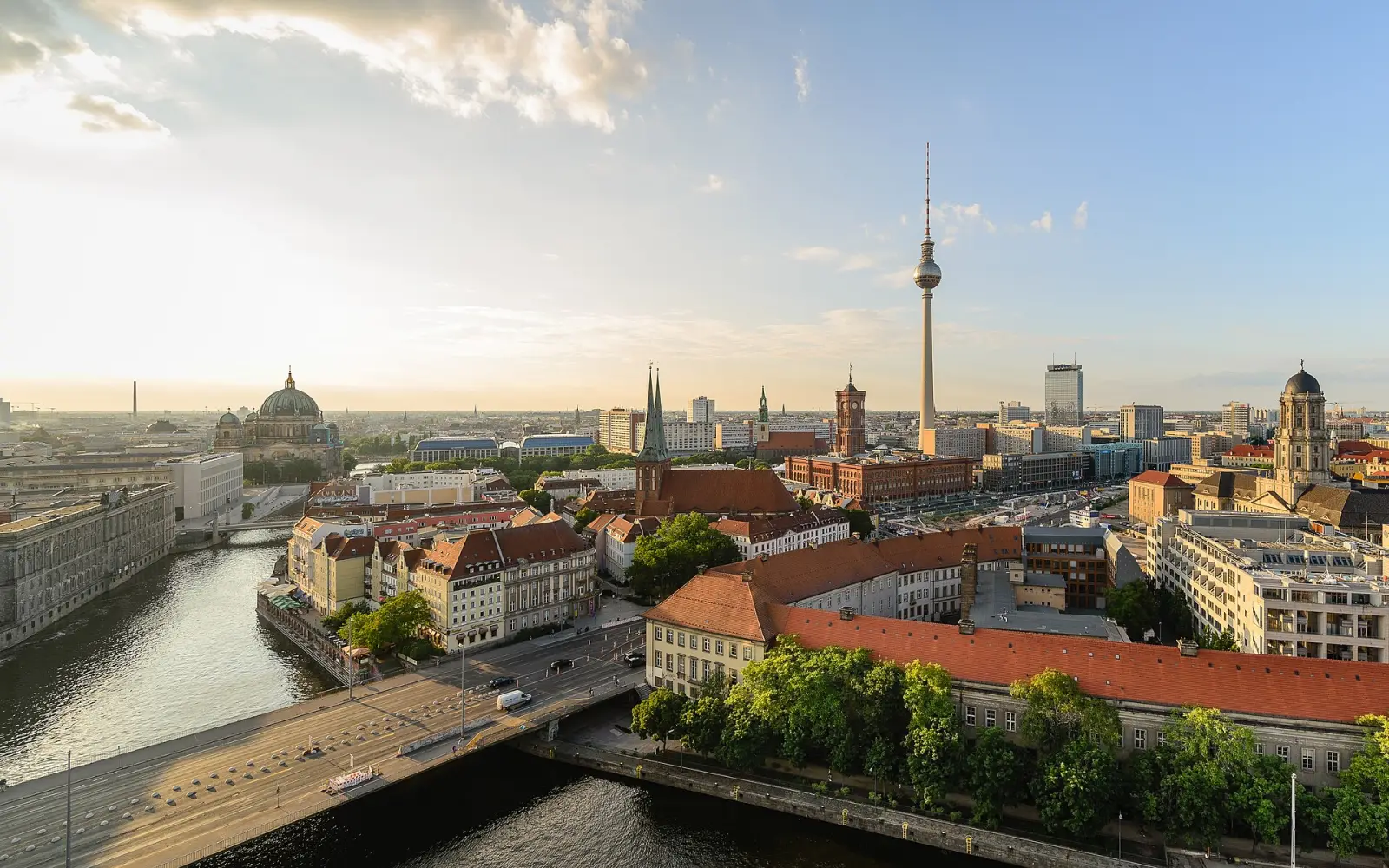
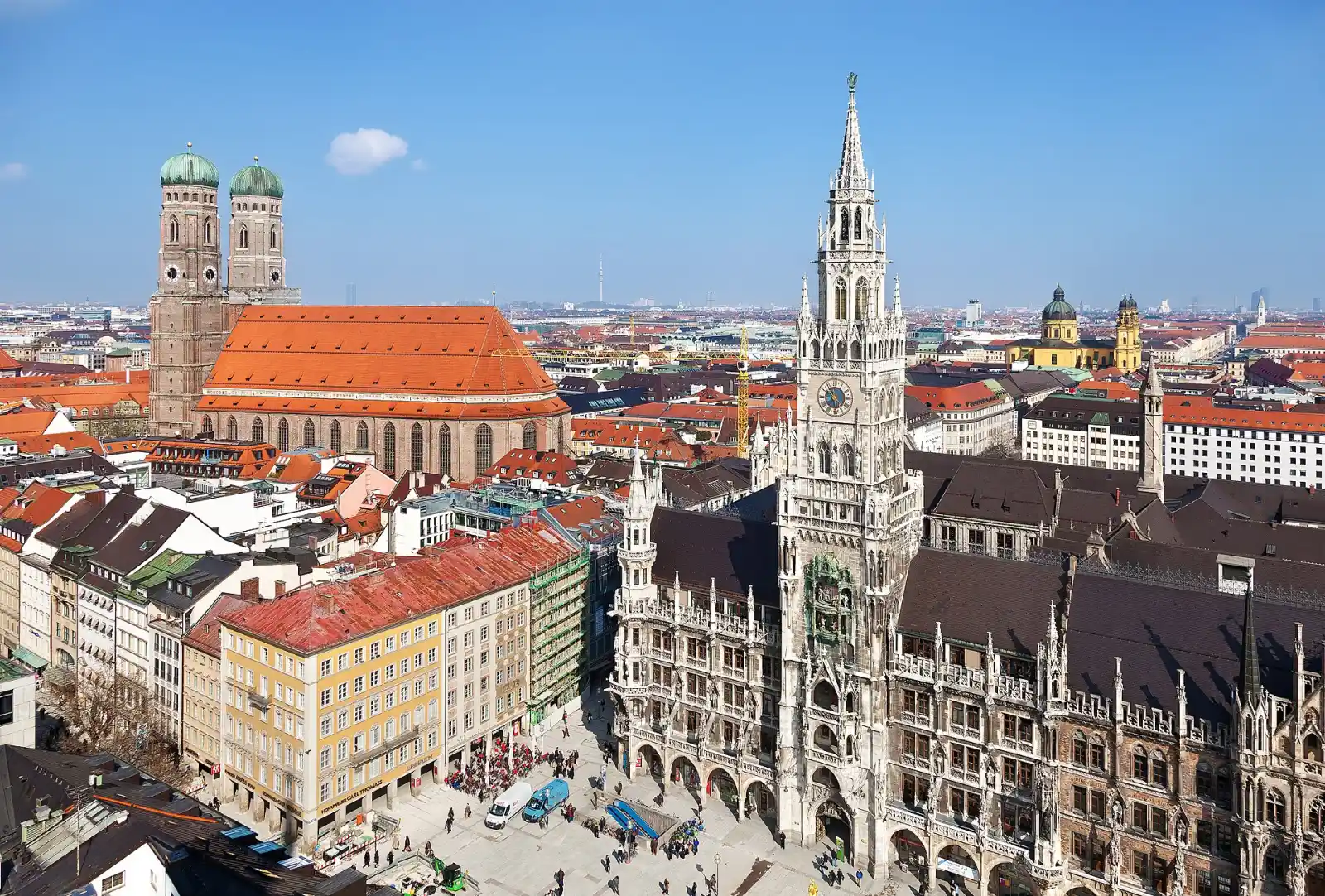
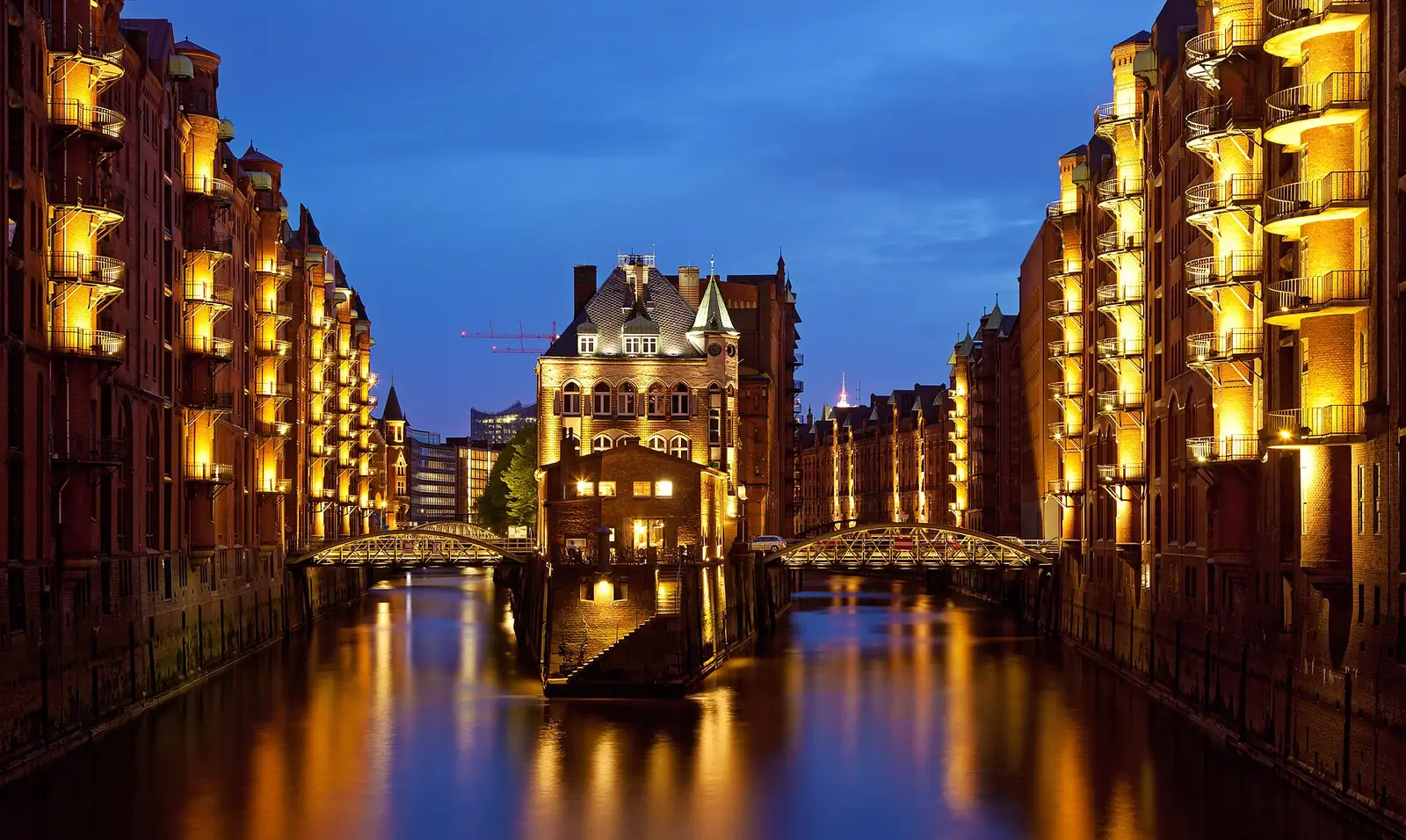
Germany in pictures

Switch to later · 1
Work
Job search after study
First stay: 1 yr 6 mo
Path to permanent residence · 4
- Citizenship after 10 years · German citizenship by declaration for children and descendants affected by past gender discrimination (StAG § 5)
- Citizenship · German citizenship by descent and certificate of citizenship (StAG § 4; Staatsangehörigkeitsausweis via the Federal Office of Administration)
- Citizenship · Restorative naturalisation for victims of Nazi persecution and their descendants (StAG § 15)
- PR after 3 years · Settlement permit for skilled workers and Blue Card holders (section 18c AufenthG)
Arriving in Germany: first steps
- Arrange travel health insurance for the whole stay if your route requires it.
- Secure accommodation and provide proof of address for registration.
- Open a bank account for salary, deposits or daily banking.
- Register your address with the local registration office.
- Apply for your residence permit at the foreigners authority before your visa expires.
Questions people ask
What special talent visas does Germany have?
Germany has 1 talent scheme. Opportunity Card gives a first stay of 3 years that can be renewed.
Does Germany have a working holiday visa?
Yes. Germany has 1 working holiday visa. Working Holiday gives a first stay of 1 year.
Can I move to Germany by starting a business?
Germany has 2 business or startup routes. Self-employed permit gives a first stay of 3 years that can be renewed. There is also Freelancer permit.
What work visas does Germany offer foreigners?
Germany has 7 work visas. Blue Card asks for a salary from EUR 45,934.2 a year (≈ $51,300) and gives a first stay of 4 years that can be renewed. Intra-company transfer permit gives a first stay of 3 years that can be renewed. Experienced professional permit asks for a salary of at least EUR 45,630 a year (≈ $51,000) and gives a first stay of 4 years that can be renewed.
How do I get a student visa for Germany?
Germany has 1 student visa. Student permit gives a first stay of 2 years that can be renewed.
Can my nationality or ancestry give me residence in Germany?
Yes. Germany has 3 routes by nationality or ancestry. There is also German citizenship by declaration, German citizenship by descent and German restorative naturalisation.
Can I join my spouse or partner in Germany?
Yes. Germany has 2 spouse visas. There is also Spouse of a citizen and Spouse of a resident.
Compare with
≈ USD figures are approximate: daily reference rates from ExchangeRate-API, dated 12 Oct 2026, refreshed when the site is updated.
Ask the AI about Germany AI
An AI assistant answers from the published records on this page and cites them. It can't assess your personal eligibility. Don't include personal details.