
Moving to Japan
23 ways to move to Japan in our guide: 1 talent scheme, 1 working holiday visa, 1 nomad / remote-work visa, 1 pay-to-stay route, 2 business / startup routes, 14 work visas, 1 student visa, 2 spouse visas.
Remote workers: Digital nomad visa, ¥10M+ a year ≈ $63k. Smallest investment: Business Manager, ¥30M+ ≈ $189k. Tax for newcomers: Non-permanent resident foreign-source income treatment, Remittance basis. Checked against official sources on .
Japan offers a wide range of residence routes, from working holidays and digital nomad stays to professional work, business management and highly skilled statuses. Visas and tax are separate.
Top options in Japan · 1
Working holiday · 1

Working Holiday
Age limit and funds needed: Ages and funds vary by passport
Nomad / Remote work · 1

Digital nomad visa
Income needed: ¥10M+ a year ≈ $63k
Retire or live on savings · 1

Long-stay visitor (JPY 30M)
Savings needed: ¥30M+ ≈ $189k
Business / Startup · 2

Business Manager
Investment needed: ¥30M+ ≈ $189k
Startup visa
Investment needed: ¥30M+ ≈ $189k
Work · 14

- J-SkipIncome needed: from ¥20M a year ≈ $126k
- Skill Development work visaFirst stay: 3 yrs
- Engineer/Specialist visaFirst stay: 5 yrs
- Highly Skilled ProfessionalFirst stay: 5 yrs
- Instructor visaFirst stay: 5 yrs
- Intra-company transferFirst stay: 5 yrs
- Legal/Accounting visaFirst stay: 5 yrs
- Medical Services visaFirst stay: 5 yrs
- Nursing Care visaFirst stay: 5 yrs
- Professor visaFirst stay: 5 yrs
- Researcher visaFirst stay: 5 yrs
- Skilled Labor visaFirst stay: 5 yrs
- Specified Skilled Worker 1First stay: 3 yrs
- Specified Skilled Worker 2First stay: 3 yrs
Student · 1

Student visa
First stay: 4 yrs 3 mo
Spouse visas · 2

For people married to, or in a partnership with, a citizen or permanent resident.
Spouse of a citizen
First stay: 5 yrs
Spouse of a permanent resident
First stay: 5 yrs
Tax
Residency is based on facts, not visa type. National income tax is progressive, with a reconstruction surtax applying to returns for a set period.
Special regime
Non-permanent resident foreign-source income treatment
Tax relief
Details
- Who: Resident: domicile or continuous residence in Japan for one year or more
Non-permanent residents are taxed in Japan on Japan-source income and on foreign-source income paid in or remitted to Japan; foreign-source income paid and kept abroad is outside the Japanese tax base.
Taxed on
Income tax on all Japan-source income plus foreign-source income that is paid in Japan or remitted to Japan from abroad, at the progressive national rates of 5% to 45%.
Who it applies to
- Resident: domicile or continuous residence in Japan for one year or more.
- Non-Japanese nationality.
- Domicile or residence in Japan for an aggregate of five years or less within the preceding ten years.
Exclusions
- Japan-source income, including pay for work performed in Japan, is taxed in full.
- Residents who are not non-permanent residents are taxed on worldwide income.
Tax residence
Resident = domicile, or continuous residence of one year or more. Non-permanent resident = non-Japanese national resident for an aggregate of five years or less in the preceding ten years. Based on facts, not visa type.
Visas
No visa grants this treatment; it follows tax residence and nationality.
Other taxes
Consumption tax: standard rate 10% (7.8% national plus 2.2% local) and reduced rate 8% (6.24% national plus 1.76% local). Local inhabitant tax and social insurance are separate.
Checked against official sources on Change log
Standard rules
Japan income tax: national progressive scale, reconstruction surtax and inhabitant tax
Progressive rates
Details
- On: Taxable income after deductions, taxed in progressive bands
- Who: Applies to residents
- Limit: ¥1.9M/yr ≈ $12k
National income tax is progressive in seven bands: 5% up to JPY 1,949,000 (≈ $12,300) of taxable income, 10% to JPY 3,299,000, (≈ $20,800) 20% to JPY 6,949,000, (≈ $43,800) 23% to JPY 8,999,000, (≈ $56,800) 33% to JPY 17,999,000, (≈ $114,000) 40% to JPY 39,999,000 (≈ $252,000) and 45% from JPY 40,000,000 (≈ $252,000). Residents other than non-permanent residents are taxed on worldwide income, including foreign-source income; non-permanent residents are taxed on Japan-source income and on foreign-source income paid in or remitted to Japan. A 2.1% reconstruction surtax on the base income tax and a 10% inhabitant tax come on top.
Taxed on
Taxable income after deductions, taxed in progressive bands (separate-taxation items excluded); inhabitant tax is assessed on the previous year's income.
Who it applies to
- Applies to residents; non-permanent residents are taxed on Japan-source and remitted foreign-source income.
Exclusions
- Income taxed under separate-taxation rules is outside the progressive scale.
- For 2025 onward, where base income exceeds JPY 330 million (≈ $2,080,000), an extra amount is added when 22.5% of the excess is higher than the ordinary income tax and reconstruction surtax.
Limits
- JPY 1,949,000 a year (≈ $12,300) · Upper limit of the 5% national band (taxable income from JPY 1,000 (≈ $6)); quick-table deduction JPY 0.
- JPY 3,299,000 a year (≈ $20,800) · Upper limit of the 10% band (from JPY 1,950,000 (≈ $12,300)); quick-table deduction JPY 97,500 (≈ $610).
- JPY 6,949,000 a year (≈ $43,800) · Upper limit of the 20% band (from JPY 3,300,000 (≈ $20,800)); quick-table deduction JPY 427,500 (≈ $2,700).
- JPY 8,999,000 a year (≈ $56,800) · Upper limit of the 23% band (from JPY 6,950,000 (≈ $43,800)); quick-table deduction JPY 636,000 (≈ $4,010).
- JPY 17,999,000 a year (≈ $114,000) · Upper limit of the 33% band (from JPY 9,000,000 (≈ $56,800)); quick-table deduction JPY 1,536,000 (≈ $9,690).
- JPY 39,999,000 a year (≈ $252,000) · Upper limit of the 40% band (from JPY 18,000,000 (≈ $114,000)); quick-table deduction JPY 2,796,000 (≈ $17,600).
- JPY 40,000,000 a year (≈ $252,000) · The 45% band applies from this taxable income; quick-table deduction JPY 4,796,000 (≈ $30,300).
Tax residence
Resident individuals are domiciled in Japan or have continuous residence of 1 year or more.
Visas
Tax treatment follows residence status for tax, not visa type.
Other taxes
Reconstruction special income tax is 2.1% of the base income tax, filed and paid with income tax; for income arising from 1 January 2027 the reconstruction rate falls to 1.1% and a 1% defence special income tax is withheld alongside. Individual inhabitant tax is 10% of taxable income (4% prefectural plus 6% municipal at standard rates; local governments may set different rates), charged on the previous year's income to persons domiciled in Japan on 1 January, plus per-capita amounts of JPY 1,000 (≈ $6) prefectural and JPY 3,000 (≈ $19) municipal.
Checked against official sources on Change log
Checked against official sources on Change log
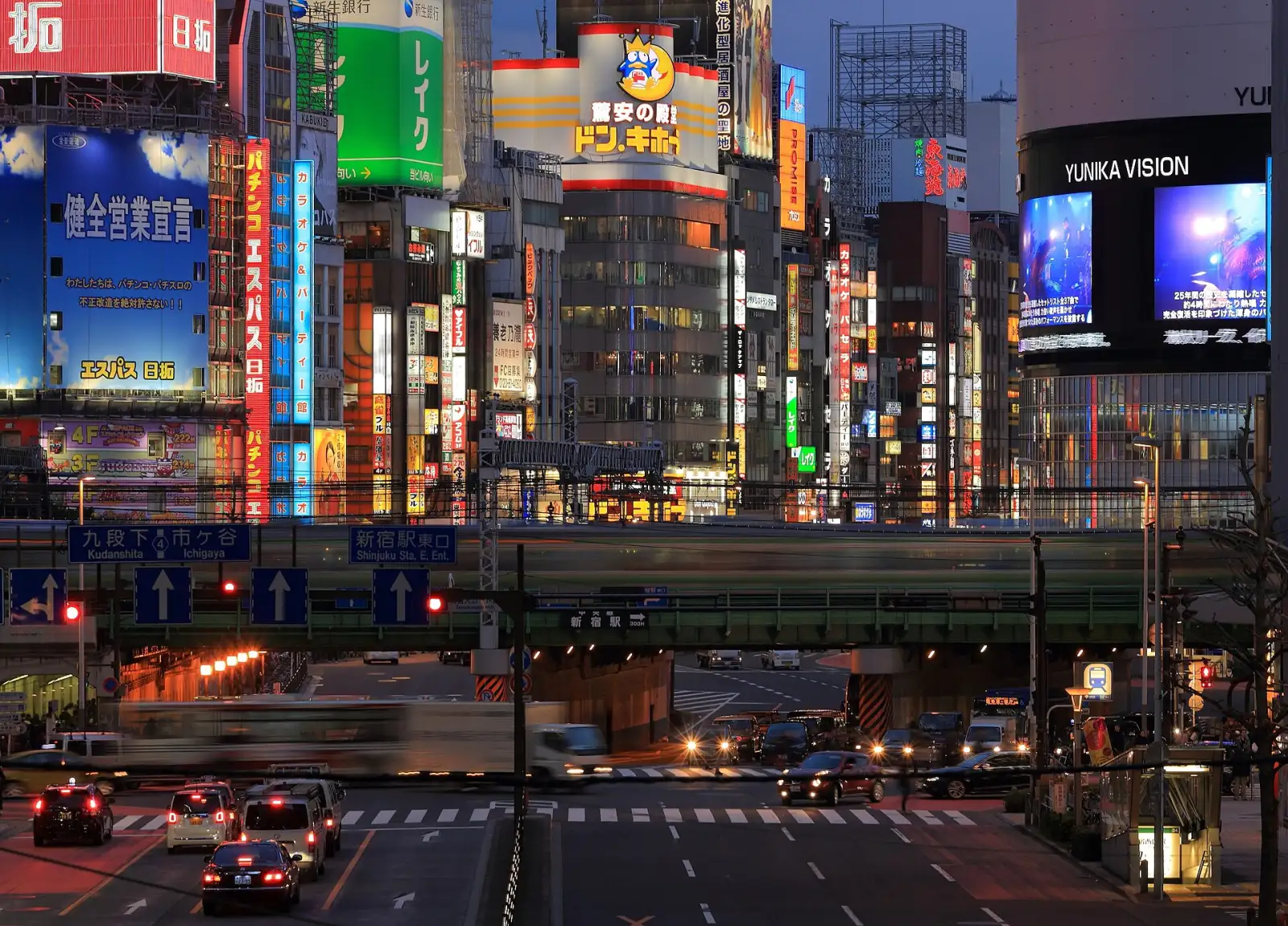
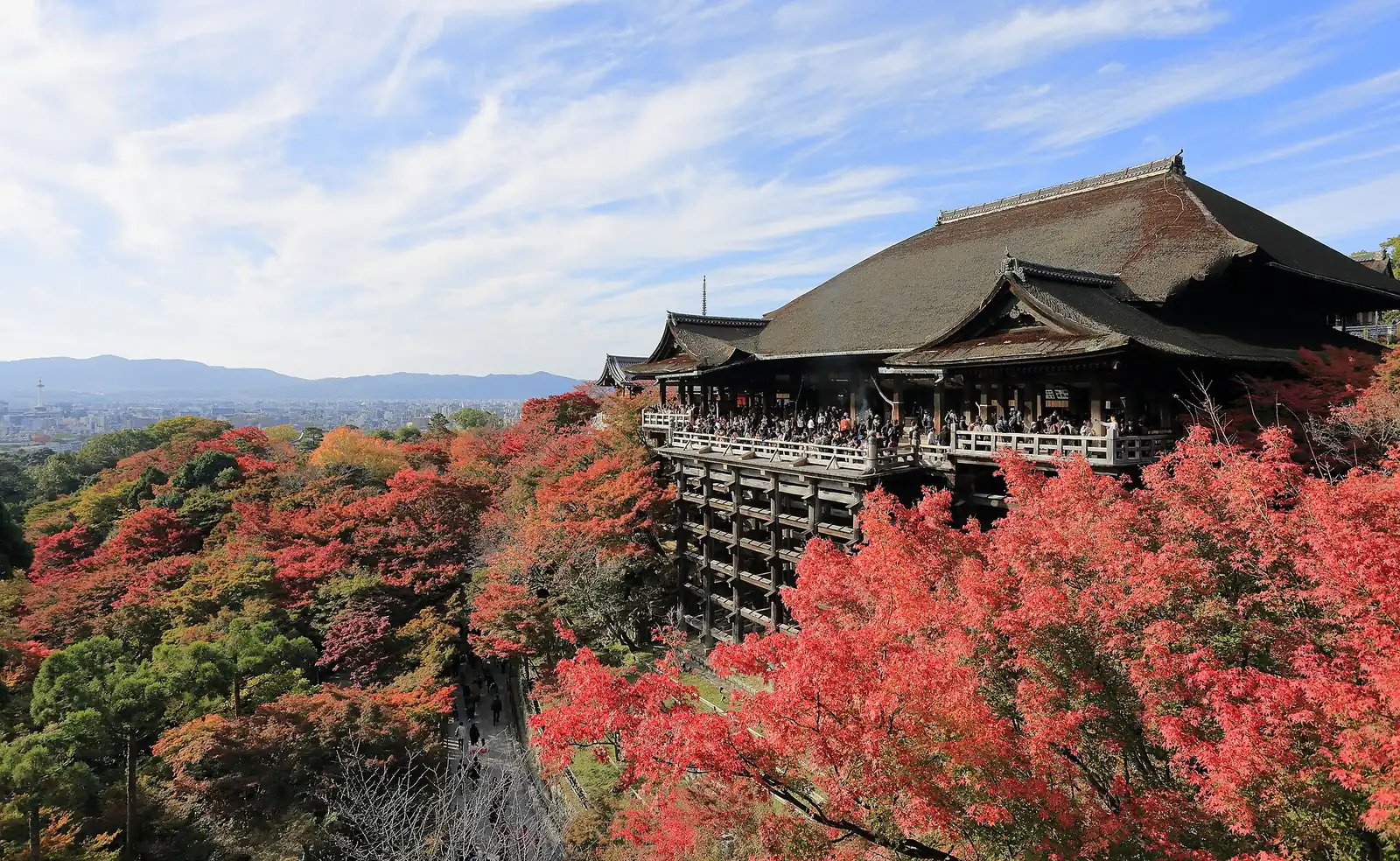
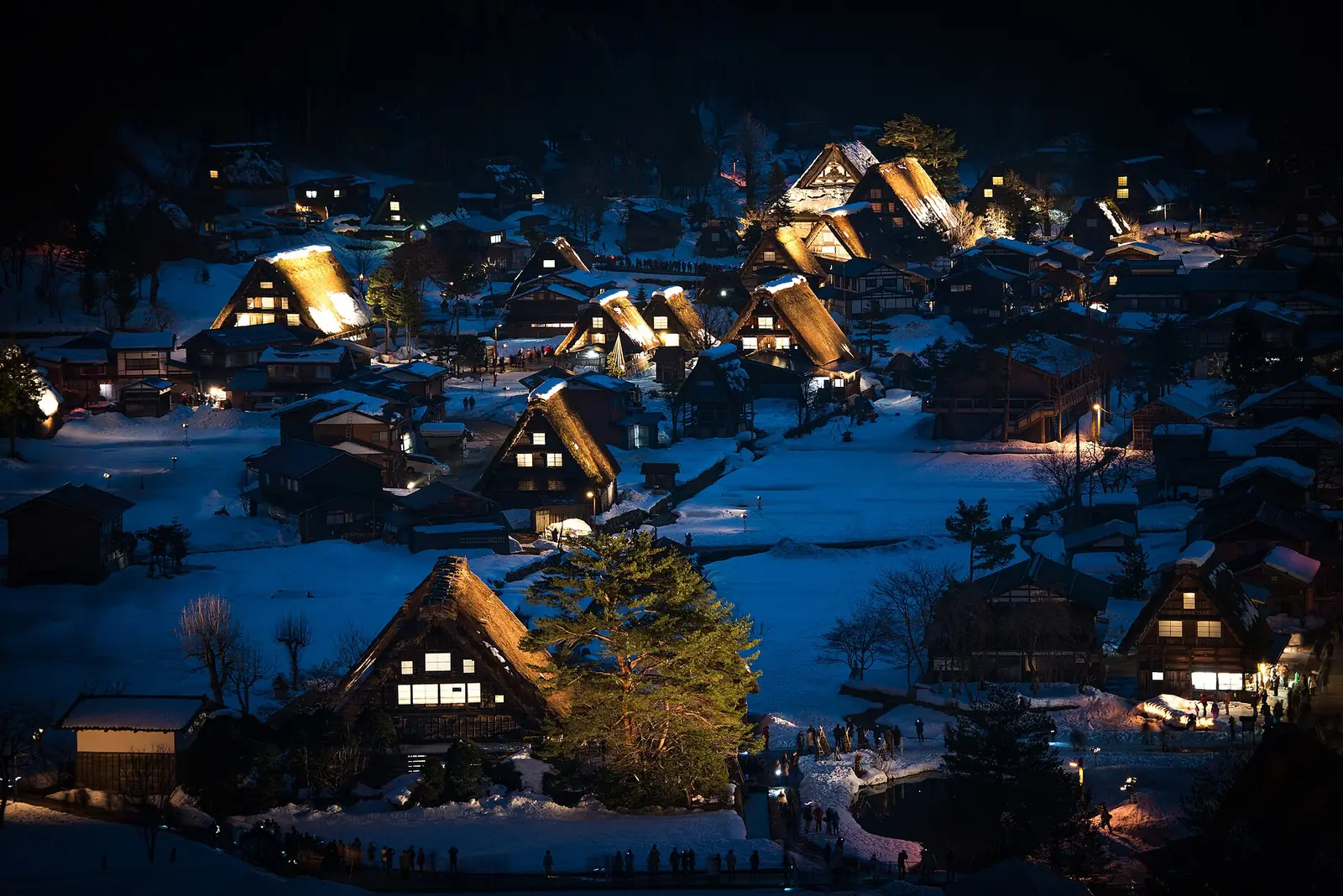
Japan in pictures

Path to permanent residence · 1
- PR · Permanent Resident (永住者)
Arriving in Japan: first steps
- Arrange private medical insurance where your route requires it, covering death, injury and illness for the stay.
- Secure an address and register your residence at the local municipal office.
- Open a bank account once you have your residence card and address.
- Keep your stay schedule and savings evidence if your route requires them.
Questions people ask
What special talent visas does Japan have?
Japan has 1 talent scheme. J-Find gives a first stay of 2 years.
Does Japan have a working holiday visa?
Yes. Japan has 1 working holiday visa. Working Holiday gives a first stay of 1 year.
What is the Japan digital nomad visa income requirement in 2026?
Japan has 1 nomad or remote-work visa. Digital nomad visa asks for an income of at least JPY 10,000,000 a year (≈ $63,100) and gives a first stay of 6 months.
Can I retire or live in Japan on my savings or pension?
Japan has 1 retirement or pay-to-stay route. Long-stay visitor (JPY 30M) asks for savings of at least JPY 30,000,000 (≈ $189,000) and gives a first stay of 1 year.
Can I move to Japan by starting a business?
Japan has 2 business or startup routes. Business Manager asks for an investment of at least JPY 30,000,000 (≈ $189,000) and gives a first stay of 5 years that can be renewed. Startup visa asks for an investment of at least JPY 30,000,000 (≈ $189,000) and gives a first stay of 2 years.
What work visas does Japan offer foreigners?
Japan has 14 work visas. Skill Development work visa gives a first stay of 3 years. Engineer/Specialist visa gives a first stay of 5 years that can be renewed. Highly Skilled Professional gives a first stay of 5 years that can be renewed.
How do I get a student visa for Japan?
Japan has 1 student visa. Student visa gives a first stay of 4.3 years that can be renewed.
Can I join my spouse or partner in Japan?
Yes. Japan has 2 spouse visas. Spouse of a citizen gives a first stay of 5 years that can be renewed. Spouse of a permanent resident gives a first stay of 5 years that can be renewed.
Does Japan have a special tax regime for new residents?
Yes: Non-permanent resident foreign-source income treatment. Non-permanent residents are taxed in Japan on Japan-source income and on foreign-source income paid in or remitted to Japan; foreign-source income paid and kept abroad is outside the Japanese tax base. It is separate from the visa and has its own conditions.
Compare with
≈ USD figures are approximate: daily reference rates from ExchangeRate-API, dated 12 Oct 2026, refreshed when the site is updated.
Ask the AI about Japan AI
An AI assistant answers from the published records on this page and cites them. It can't assess your personal eligibility. Don't include personal details.