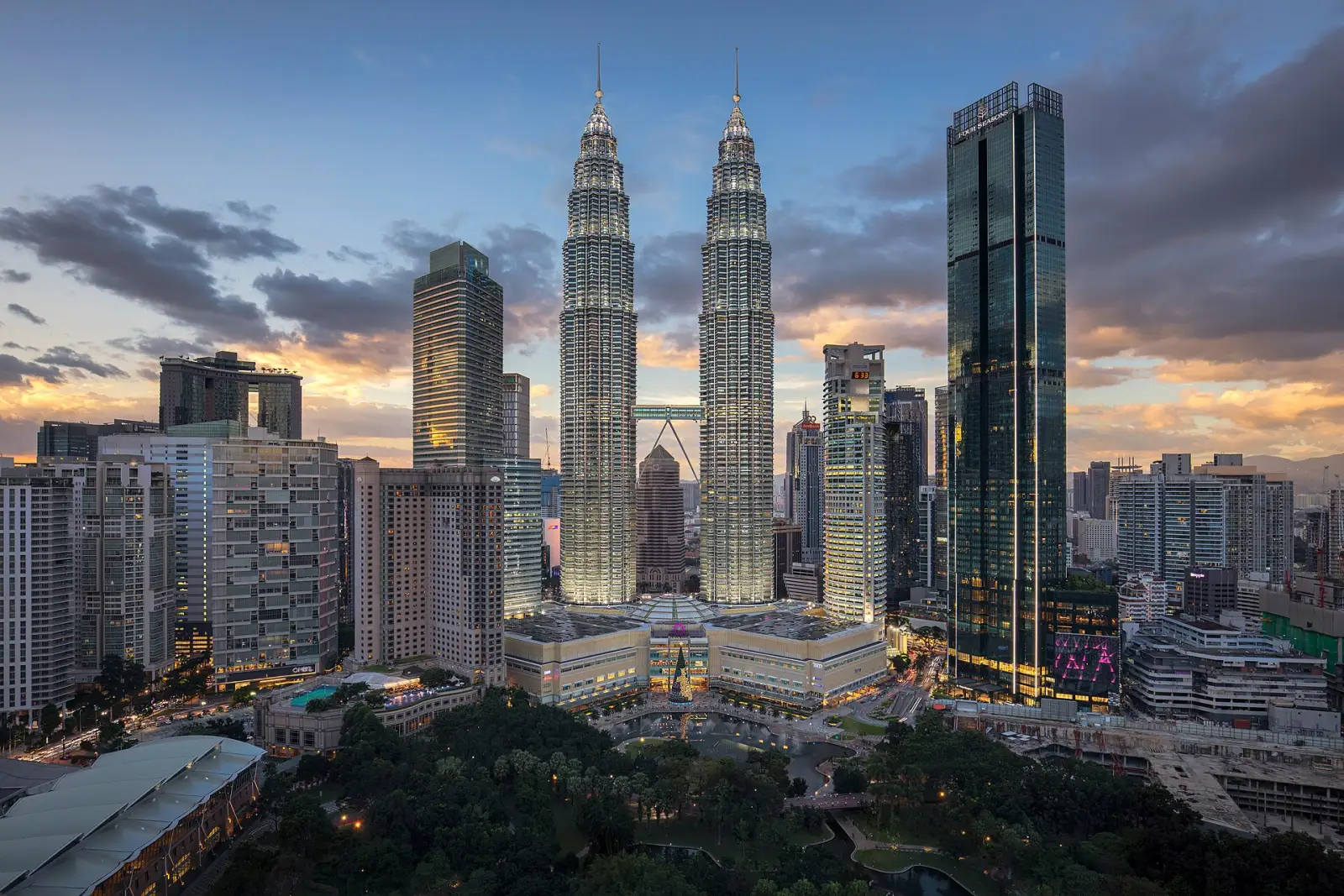
Moving to Malaysia
8 ways to move to Malaysia in our guide: 1 nomad / remote-work visa, 1 investor route, 4 pay-to-stay routes, 1 work visa, 1 student visa.
Remote workers: DE Rantau nomad pass, from $24k a year. Tax for newcomers: Malaysia: exemption for foreign-source income received by resident individuals (1 January 2022 to 31 December 2036), Foreign-source income exempt. Checked against official sources on .
Malaysia offers a range of immigration routes for people who want to live, work, study or retire there. Visas and tax are separate.
Nomad / Remote work · 1

DE Rantau nomad pass
Income needed: from $24k a year
Investing · 1

Premium Visa (PVIP)
Savings needed: MYR 1M+ ≈ $245k
Retire or live on savings · 4

Work · 1

Employment Pass
Income needed: from MYR 5,000 a month ≈ $1,220
Student · 1

Student pass
Tax
If you become a Malaysian tax resident, foreign-source income you receive in Malaysia is exempt for a time-limited period when the conditions are met; partnership business income is excluded. Malaysian-source income, including pay for work carried out in Malaysia, is taxed under the normal resident rates. Residency can be established by presence in a calendar year, with linked-year and shorter tests also available. This is separate from your immigration status.
Special regime
Malaysia: exemption for foreign-source income received by resident individuals (1 January 2022 to 31 December 2036)
Tax relief
Details
Resident individuals are exempt from tax on foreign-source income received in Malaysia from 1 January 2022 to 31 December 2036, except income from partnership businesses. Income from work performed in Malaysia is taxed at normal resident rates.
Taxed on
Foreign-source income received in Malaysia by an individual tax resident; Malaysian-source income (including pay for work exercised in Malaysia) is taxed under normal resident rates.
Who it applies to
- The individual is a Malaysian tax resident for the basis year, normally present 182 days or more.
- The income arises outside Malaysia and is received in Malaysia by the individual.
- The income is not partnership business income.
Exclusions
- Income from work exercised in Malaysia is Malaysian-source whoever pays it and is taxed under the resident scale rates.
- Partnership business income is outside the individual exemption.
Days in the country
- At least 182 days in calendar year · Resident for tax in Malaysia if present 182 days or more in the year; linked-year and 90-day tests also exist.
Tax residence
Residence follows physical presence of 182 days or more in the basis year; linked-year and 90-day tests also exist.
Visas
No visa grants this exemption; it applies to any tax-resident individual. MM2H separately states a tax exemption on foreign funds and income.
Other taxes
Sales and service tax, employee contributions and withholding tax are separate.
Checked against official sources on Change log
Standard rules
Malaysia resident individual income tax: 0-30% scale rates (Year of Assessment 2025)
Details
- Limit: MYR 5,000/yr ≈ $1,220
A Malaysian tax resident (182 days or more in the basis year) pays scale rates from 0% to 30% on chargeable income and may claim personal reliefs; a non-resident pays a flat 30% with no reliefs. Foreign-source income received in Malaysia by resident individuals is exempt from 1 January 2022 to 31 December 2036, except partnership business income; Malaysian-source employment income is taxed under the scale rates.
Taxed on
Chargeable income of an individual (income from Malaysian sources and, unless exempt, foreign-source income received in Malaysia). Scale for Year of Assessment 2023, 2024 and 2025: 0% on the first RM5,000; 1% on the next RM15,000; 3% on the next RM15,000; 6% on the next RM15,000; 11% on the next RM20,000; 19% on the next RM30,000; 25% on the next RM300,000; 26% on the next RM200,000; 28% on the next RM1,400,000; 30% above RM2,000,000. Non-residents: flat 30%. Top marginal rate shown as ratePercent.
Who it applies to
- Resident for a basis year: physical presence in Malaysia of 182 days or more in the basis year; generally non-resident if present fewer than 182 days (Public Ruling 2/2026 para 4.4, with PR 11/2017 on the full residence rules).
- Resident individuals are eligible for personal tax reliefs under sections 45A to 49 of the Income Tax Act 1967 and are taxed at the scale rates of Schedule 1.
Exclusions
- Non-resident individuals pay a flat 30% on chargeable income and cannot claim personal reliefs.
- Employment income of a non-resident exercised in Malaysia is exempt under paragraph 21 of Schedule 6 where the conditions in PR 2/2026 para 4.6.1 are met, including employment of no more than 60 days in total in the basis year.
Limits
- MYR 5,000 a year (≈ $1,220) · 0% on the first RM5,000 of chargeable income
- MYR 20,000 a year (≈ $4,900) · 1% on the next RM15,000 (RM5,001 to RM20,000)
- MYR 35,000 a year (≈ $8,570) · 3% on the next RM15,000 (RM20,001 to RM35,000)
- MYR 50,000 a year (≈ $12,200) · 6% on the next RM15,000 (RM35,001 to RM50,000)
- MYR 70,000 a year (≈ $17,100) · 11% on the next RM20,000 (RM50,001 to RM70,000)
- MYR 100,000 a year (≈ $24,500) · 19% on the next RM30,000 (RM70,001 to RM100,000)
- MYR 400,000 a year (≈ $98,000) · 25% on the next RM300,000 (RM100,001 to RM400,000)
- MYR 600,000 a year (≈ $147,000) · 26% on the next RM200,000 (RM400,001 to RM600,000)
- MYR 2,000,000 a year (≈ $490,000) · 28% on the next RM1,400,000 (RM600,001 to RM2,000,000); 30% above RM2,000,000
Days in the country
- At least 182 days in basis year (calendar year) · Presence in Malaysia of 182 days or more makes an individual resident; fewer than 182 days generally means non-resident.
Tax residence
Residence follows physical presence in the basis year, not nationality or visa; presence in adjacent basis years can also count in certain situations (PR 2/2026 para 4.4). One condition of the non-resident short-employment exemption: employment in Malaysia not exceeding 60 days in total in a basis year (PR 2/2026 para 4.6.1).
Visas
Visa or work-pass type does not set tax residence; days of presence do.
Other taxes
Foreign-source income received in Malaysia by resident individuals is covered by “Malaysia: exemption for foreign-source income received by resident individuals”. Sales and service tax and social contributions apply separately.
Checked against official sources on Change log
Special regime
MM2H: exemption of foreign funds and income and of fixed-deposit profit
Tax relief
Details
- On: Foreign funds and income remitted to Malaysia
- Who: Hold an MM2H pass in the Platinum, Gold, Silver or SEZ/SFZ category
Participants in all MM2H categories are not taxed on foreign funds or income remitted to Malaysia, or on profit earned on their Malaysian fixed deposit.
Taxed on
Foreign funds and income remitted to Malaysia, and profit earned on the MM2H fixed deposit in Malaysia.
Who it applies to
- Hold an MM2H pass in the Platinum, Gold, Silver or SEZ/SFZ category.
Exclusions
- Income from employment or business in Malaysia is not covered by the stated exemption.
Days in the country
- At least 182 days in calendar year · Tax residence in Malaysia follows presence of 182 days or more.
Tax residence
MM2H participants under 50 must be present 90 days a year for the pass; tax residence is tested separately by days of presence.
Visas
Attached to the MM2H pass.
Other taxes
Sales and service tax, quit rent, assessment and property taxes apply separately.
Checked against official sources on Change log
Special regime
Johor-Singapore Special Economic Zone: special 15% tax rate announced for eligible knowledge workers
15% tax
Details
- Who: The release says only "eligible knowledge workers working in JS-SEZ"
The Ministry of Finance announced on 8 January 2025 a special tax rate of 15% for 10 years for eligible knowledge workers working in the Johor-Singapore Special Economic Zone. The release does not say who is eligible or which income the rate covers, and says further details will be announced.
Who it applies to
- The release says only "eligible knowledge workers working in JS-SEZ"; it does not set out the eligibility criteria.
- The release lists the rate among incentives effective 1 January 2025 and says further details on the tax incentives will be announced in due course.
Tax residence
The release says nothing about tax residence or when the 10 years start for a worker.
Visas
The release does not link the rate to a visa or pass.
Checked against official sources on , some details partly verifiedChange log
Checked against official sources on Change log
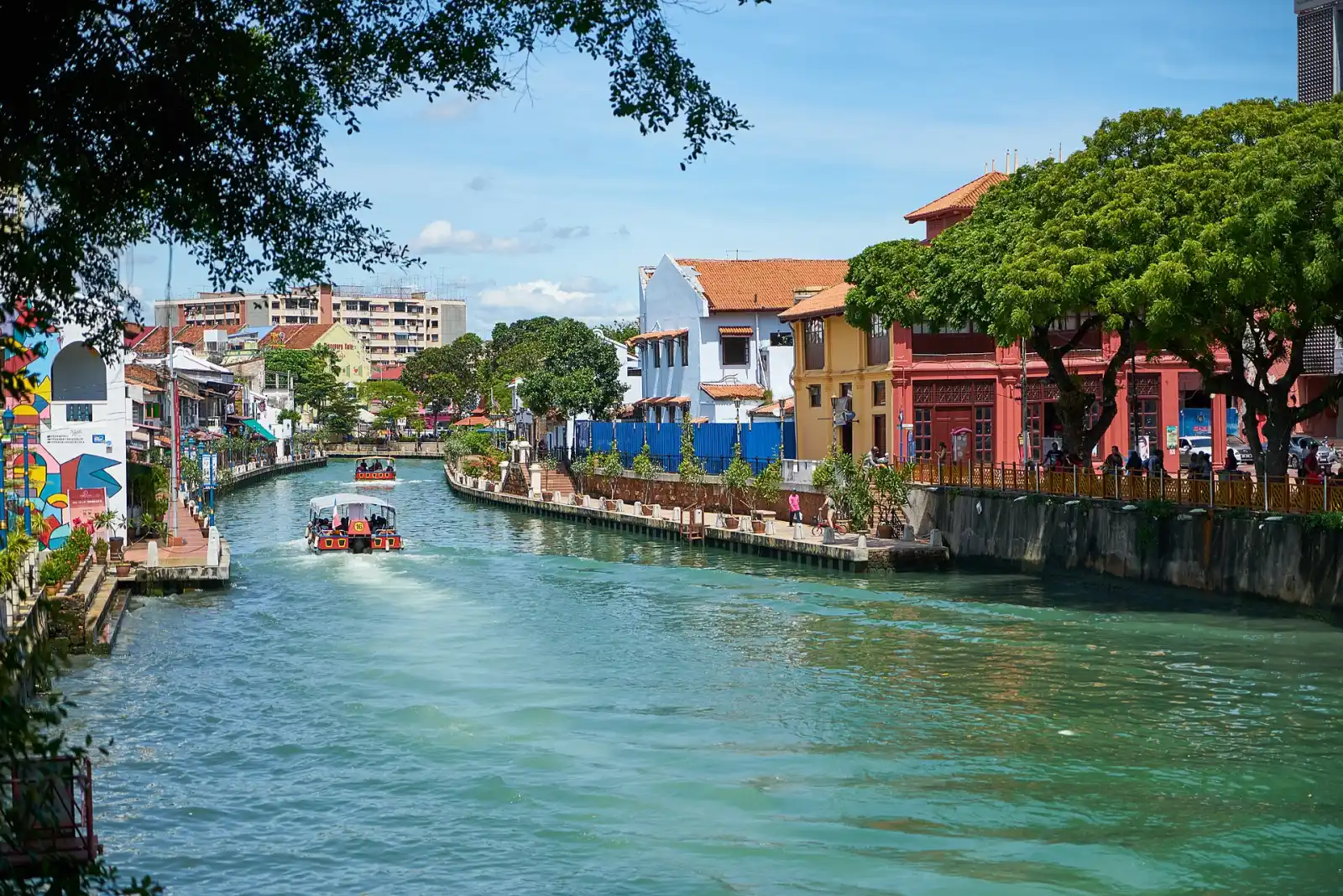
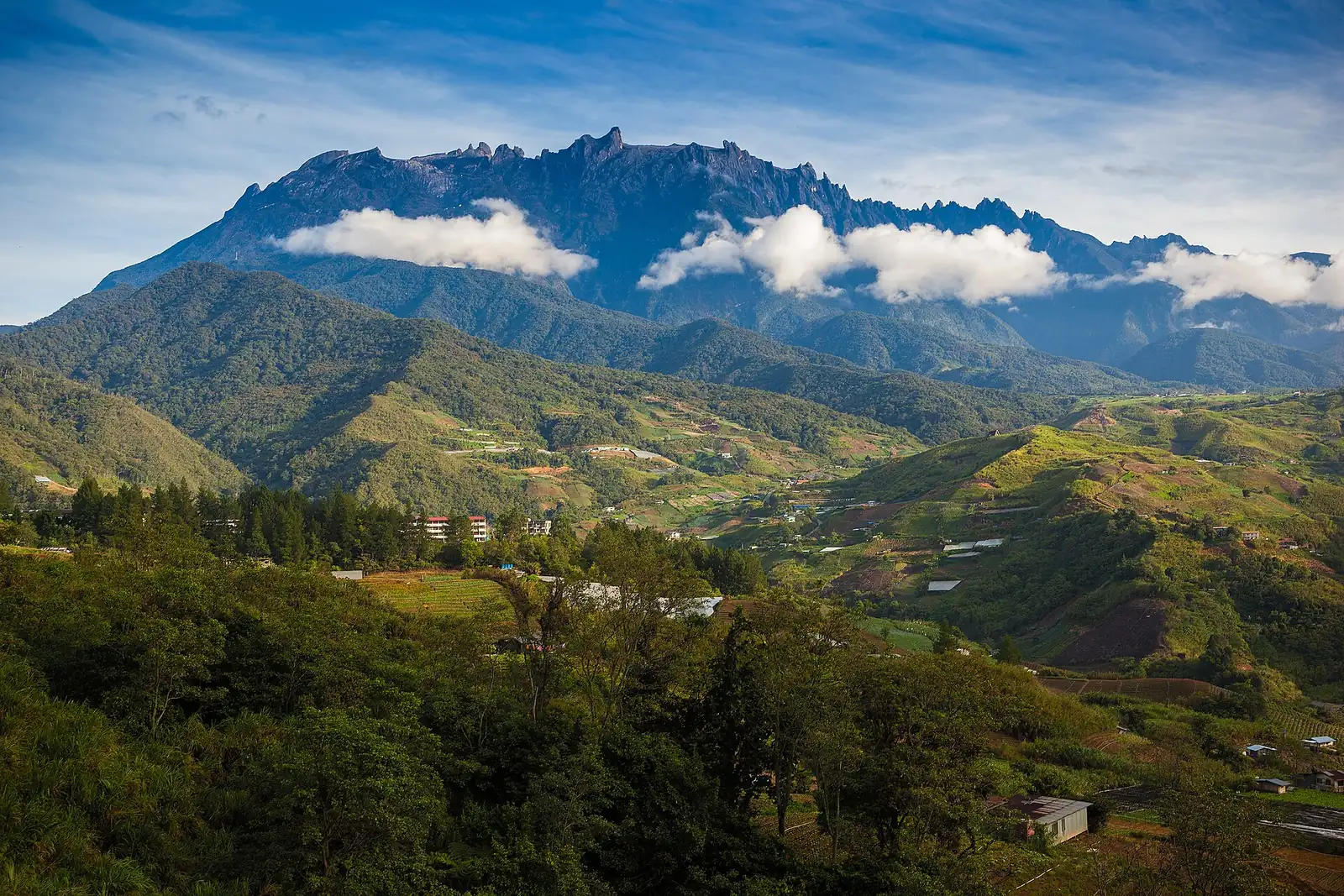
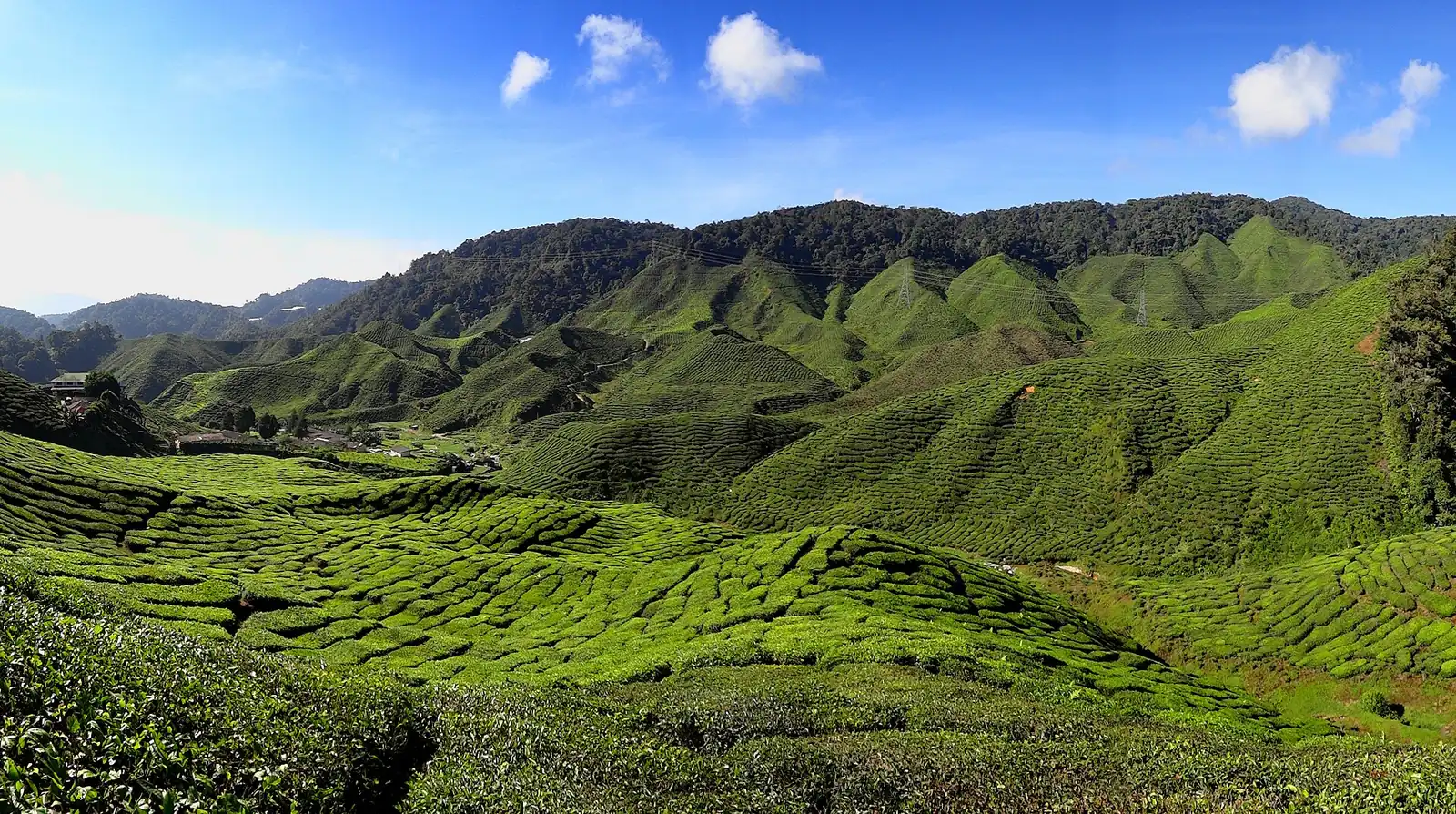
Malaysia in pictures

Shorter stays · 4
Work
Expert visit pass
First stay: 1 yr
Work
Professional Visit Pass
First stay: 1 yr
Work
Temporary employment pass
Spouse visas
Spouse of a citizen
First stay: 5 yrs
Switch to later · 1
Work
Residence Pass-Talent
Income needed: MYR 15k+ a month ≈ $3,670
Arriving in Malaysia: first steps
- Arrange health insurance or medical cover as required by your pass category.
- Have a confirmed address in Malaysia for your applications and registrations.
- Open a Malaysian bank account if your route or programme requires a fixed deposit or local payments.
- Complete any post-arrival medical examination within the required period for your pass.
- Submit your pass endorsement or registration through the correct channel after arrival.
- Keep your passport, approvals and supporting documents valid and available for renewals.
Questions people ask
What is the Malaysia digital nomad visa income requirement in 2026?
Malaysia has 1 nomad or remote-work visa. DE Rantau nomad pass asks for an income from $24,000 a year and gives a first stay of 1 year that can be renewed.
How much do you need to invest for residency in Malaysia?
Malaysia has 1 investor route. Premium Visa (PVIP) asks for savings of at least MYR 1,000,000 (≈ $245,000) and gives a first stay of 5 years.
Can I retire or live in Malaysia on my savings or pension?
Malaysia has 4 retirement or pay-to-stay routes. MM2H Platinum asks for savings of at least $1,000,000. MM2H Gold asks for savings of at least $500,000. MM2H SEZ asks for savings from $32,000.
What work visas does Malaysia offer foreigners?
Malaysia has 1 work visa. Employment Pass asks for a salary from MYR 5,000 a month (≈ $1,220) and gives a first stay of 10 years that can be renewed.
How do I get a student visa for Malaysia?
Malaysia has 1 student visa. It is Student pass.
Does Malaysia have a special tax regime for new residents?
Yes: Malaysia: exemption for foreign-source income received by resident individuals (1 January 2022 to 31 December 2036). Resident individuals are exempt from tax on foreign-source income received in Malaysia from 1 January 2022 to 31 December 2036, except income from partnership businesses. It is separate from the visa and has its own conditions.
Compare with
≈ USD figures are approximate: daily reference rates from ExchangeRate-API, dated 12 Oct 2026, refreshed when the site is updated.
Ask the AI about Malaysia AI
An AI assistant answers from the published records on this page and cites them. It can't assess your personal eligibility. Don't include personal details.