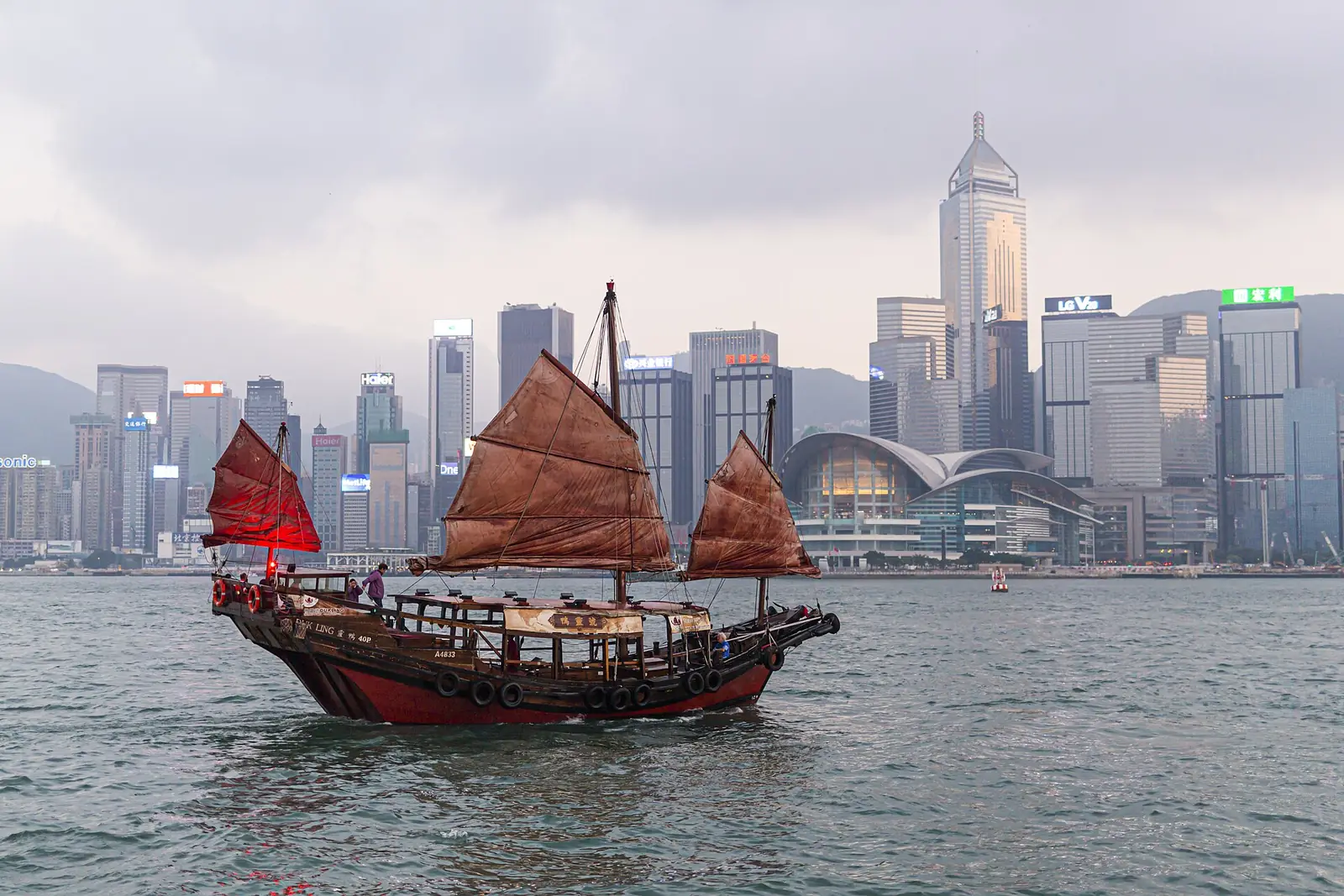
Moving to Hong Kong
9 ways to move to Hong Kong in our guide: 2 talent schemes, 1 working holiday visa, 1 investor route, 1 business / startup route, 3 work visas, 1 student visa.
No digital nomad visa. Smallest investment: New CIES · HK$30M, HKD 30M+ ≈ $3.8M. Tax for newcomers: Territorial taxation and foreign employment services, Territorial. Checked against official sources on .
Hong Kong is a fast-paced, high-density city where the paperwork is precise and the rules are clear. It offers several distinct routes for people with different profiles, from highly skilled professionals to investors and graduates.
Top options in Hong Kong · 2
Talent schemes
QMAS
Income needed: from HKD 1M a year ≈ $127k
Talent schemes
Top Talent Pass
Income needed: HKD 2.5M+ a year ≈ $319k
Working holiday · 1

Working Holiday
Age limit and funds needed: Ages 18–30 · funds vary by passport
Investing · 1

New CIES · HK$30M
Investment needed: HKD 30M+ ≈ $3.8M
Business / Startup · 1

Entrepreneur visa (GEP)
First stay: 3 yrs
Work · 3

Mainland talent (ASMTP)
First stay: 3 yrs
Work visa (GEP)
First stay: 3 yrs
Tech professionals (GEP-TP)
First stay: 3 yrs
Student · 1

Student visa
First stay: 6 yrs
Free movement and visa-free stays · 1
Visa-free stay (6 months) · Up to 6 months as a visitor
Work not allowed
Open to 1 passport: United Kingdom.
Tax
Hong Kong taxes income that arises in or is derived from Hong Kong. For employees, salaries tax generally follows where the employment services are rendered, so foreign-source income is usually not taxed here. The system uses progressive rates on net chargeable income, capped at a standard rate on the higher amount. Tax liability depends on source and chargeability, not on whether you are a resident, so mixed work locations need careful review.
Standard rules
Territorial taxation and foreign employment services
Territorial
Details
- On: Salaries tax on Hong Kong employment income and income from services rendered in Hong Kong
- Who: Salaries Tax applies to income arising in or derived from Hong Kong
Hong Kong taxes under the territorial concept: salaries tax, property tax and profits tax apply to income arising in or derived from Hong Kong, whether the person is resident or not. Income arising outside Hong Kong is not charged under those taxes; salaries tax follows where the employment services are rendered.
Taxed on
Salaries tax on Hong Kong employment income and income from services rendered in Hong Kong; profits tax on Hong Kong-source business profits.
Who it applies to
- Salaries Tax applies to income arising in or derived from Hong Kong; for services, source analysis depends on the employment and where duties are performed.
- Non-Hong Kong employment is assessed only for services rendered in Hong Kong; services rendered during visits totalling no more than 60 days in the year of assessment are exempt, where the work is controlled and supervised outside Hong Kong.
- The FSIE regime applies to specified foreign-source interest, dividends, IP income and equity disposal gains received by an MNE entity carrying on a business in Hong Kong, subject to exceptions.
Exclusions
- Hong Kong employment pay is taxable even when paid by a foreign company or outside Hong Kong.
- The FSIE regime applies to specified foreign-source passive income of MNE entities, not to individuals.
Days in the country
- More than 60 days in year of assessment (aggregated visits to Hong Kong) · Non-Hong Kong employment: visits to Hong Kong totalling more than 60 days in the year of assessment make the pay for those services assessable on a days-in-days-out basis; any part of a day counts.
Tax residence
Tax liability is based on Hong Kong source and chargeability; individuals may be chargeable whether Hong Kong resident or not. Source rules are fact-specific, especially for employees with mixed work locations.
Visas
No general visa-based tax holiday; visa category does not replace source and chargeability analysis.
Other taxes
No general VAT/GST. Mandatory provident fund contributions apply separately.
Checked against official sources on Change log
Standard rules
Hong Kong salaries tax progressive and standard rates (2025/26)
Progressive rates
Details
- On: Net chargeable income = assessable salary income minus deductions and allowances
- Limit: HKD 50k/yr ≈ $6,370
Salaries tax is 2% to 17% on net chargeable income in five bands, capped at a standard rate of 15% on the first HK$5,000,000 of net income and 16% on the remainder.
Taxed on
Net chargeable income = assessable salary income minus deductions and allowances; tax is the lower of the progressive result and the standard rate on net income without allowances.
Who it applies to
- Applies to all individuals with employment income arising in or derived from Hong Kong, irrespective of nationality or visa type.
Limits
- HKD 50,000 a year (≈ $6,370) · 2% on the first HK$50,000 of net chargeable income
- HKD 100,000 a year (≈ $12,700) · 6% on the next HK$50,000
- HKD 150,000 a year (≈ $19,100) · 10% on the next HK$50,000
- HKD 200,000 a year (≈ $25,500) · 14% on the next HK$50,000; 17% on the remainder
- HKD 5,000,000 a year (≈ $637,000) · Standard rate 15% on the first HK$5,000,000 of net income (2024/25 onwards), 16% on the remainder
- HKD 145,000 a year (≈ $18,500) · Basic allowance from the year of assessment 2026/27 (HK$132,000 for 2025/26), deducted before the progressive rates apply
- HKD 3,000 a year (≈ $380) · Ceiling of the one-off 100% reduction of final salaries tax for the year of assessment 2025/26 (per taxpayer; per couple when jointly assessed)
Visas
Tax follows source of employment, not visa category.
Other taxes
The 2026-27 Budget gave a one-off 100% reduction of the final salaries tax, profits tax and tax under personal assessment for the year of assessment 2025/26, capped at HK$3,000 per case (legislation gazetted 22 May 2026); the reduction does not apply to provisional tax. From 2026/27 the basic and married person's allowances rise from HK$132,000 to HK$145,000 and from HK$264,000 to HK$290,000. No VAT or capital gains tax is described in the IRD brief guide; profits tax applies to businesses on Hong Kong-source profits.
Checked against official sources on Change log
Checked against official sources on Change log
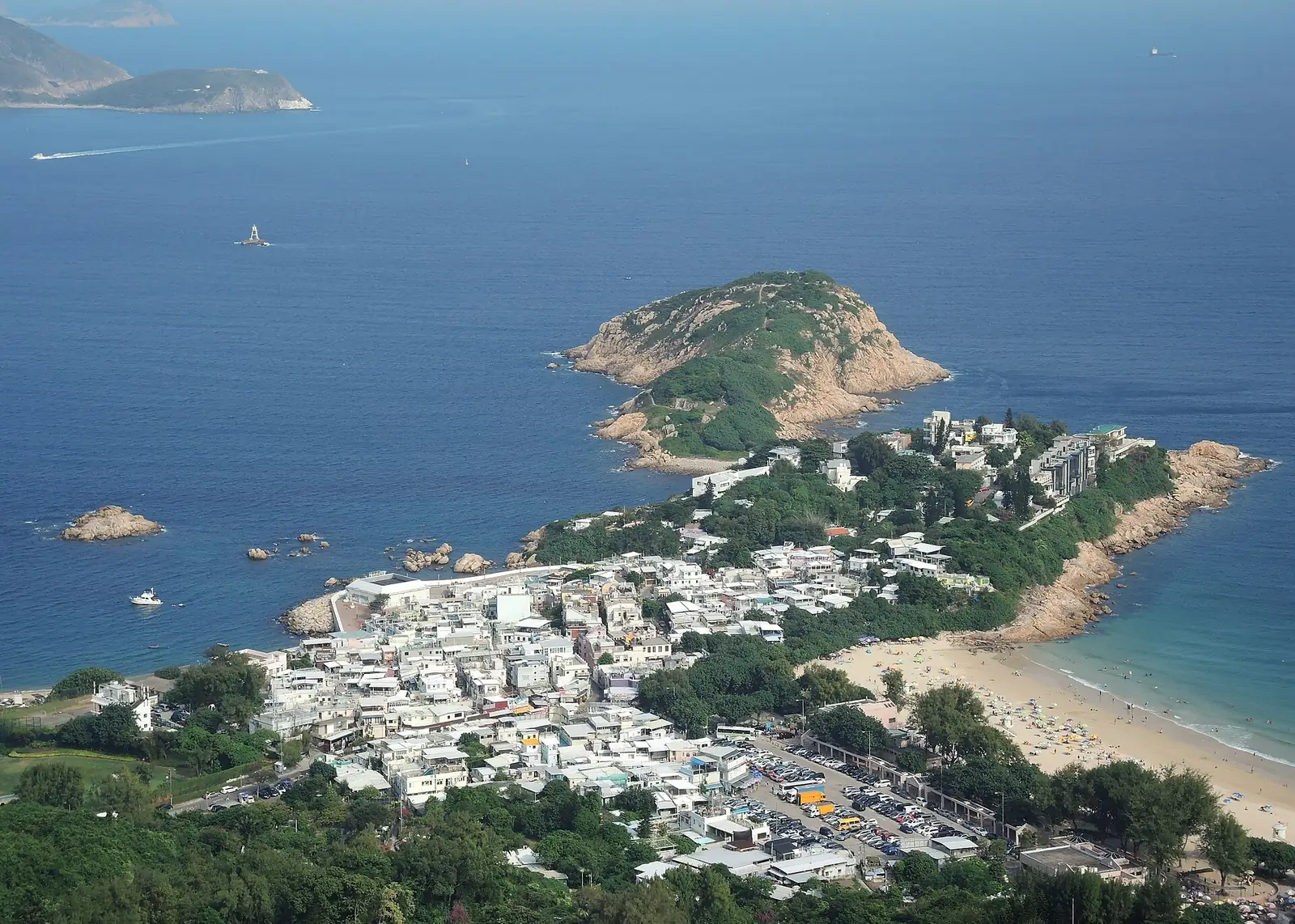
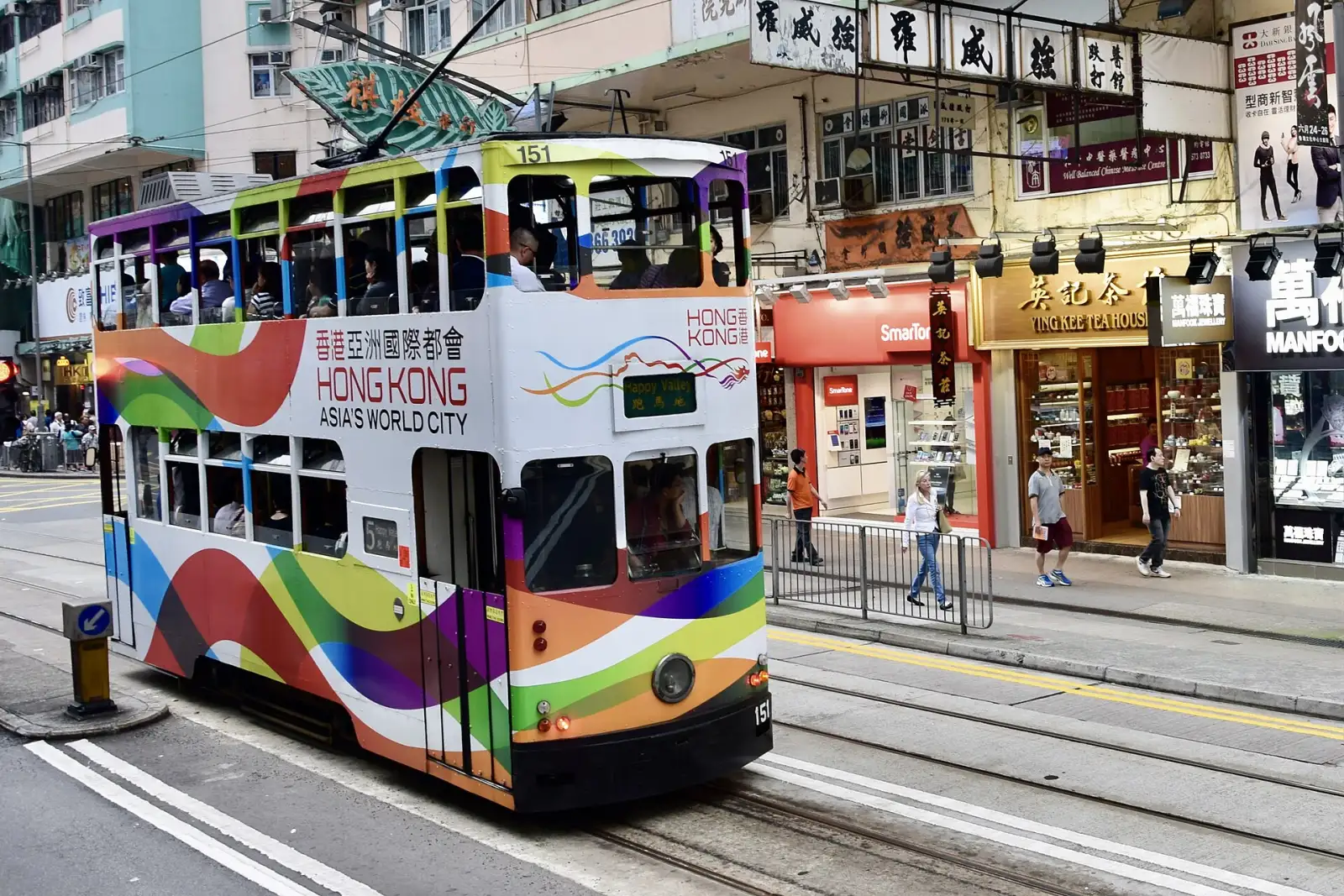
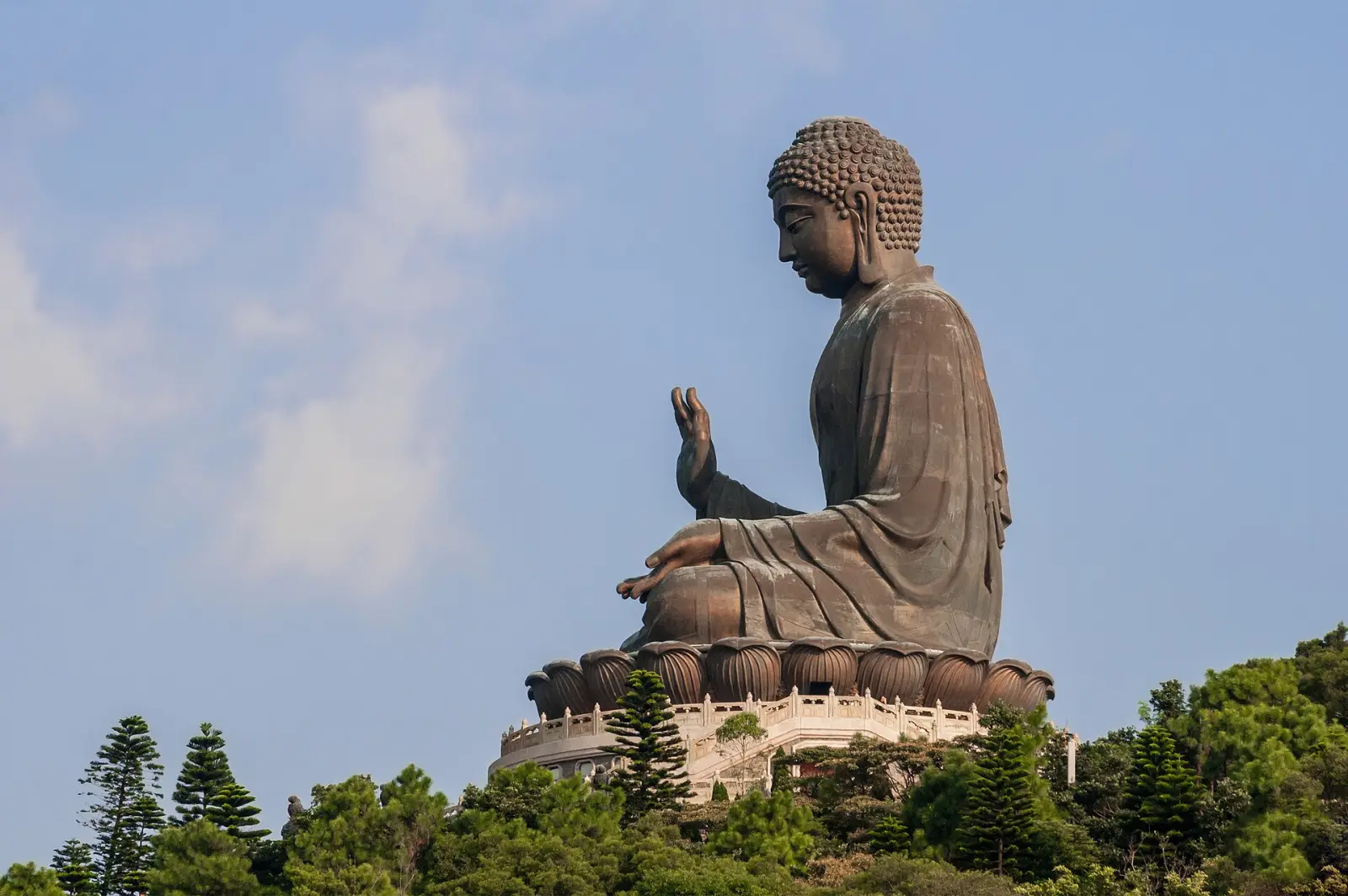
Hong Kong in pictures

Shorter stays · 1
Spouse visas
Spouse of a permanent resident
Switch to later · 1
Work
IANG graduate visa
First stay: 2 yrs
Arriving in Hong Kong: first steps
- Arrange medical, healthcare, repatriation, and liability insurance for your whole stay if your route requires it.
- Secure a residential address and keep proof of it, as you may need it for registration and dependant applications.
- Open a local bank account once you have your visa and address proof; some banks may require your employment or investment documents.
- Register for a Hong Kong identity card if your stay exceeds the period specified for your visa category.
- Keep copies of your visa approval, passport, and any sponsor or employer letters with you for the first weeks.
Questions people ask
What special talent visas does Hong Kong have?
Hong Kong has 2 talent schemes. QMAS asks for an income from HKD 1,000,000 a year (≈ $127,000) and gives a first stay of 3 years that can be renewed. Top Talent Pass asks for an income of at least HKD 2,500,000 a year (≈ $319,000) and gives a first stay of 3 years that can be renewed.
Does Hong Kong have a working holiday visa?
Yes. Hong Kong has 1 working holiday visa. Working Holiday is for ages 18 to 30 and gives a first stay of 1 year.
How much do you need to invest for residency in Hong Kong?
Hong Kong has 1 investor route. New CIES · HK$30M asks for an investment of at least HKD 30,000,000 (≈ $3,820,000) and gives a first stay of 2 years that can be renewed.
Can I move to Hong Kong by starting a business?
Hong Kong has 1 business or startup route. Entrepreneur visa (GEP) gives a first stay of 3 years that can be renewed.
What work visas does Hong Kong offer foreigners?
Hong Kong has 3 work visas. Mainland talent (ASMTP) gives a first stay of 3 years that can be renewed. Work visa (GEP) gives a first stay of 3 years that can be renewed. Tech professionals (GEP-TP) gives a first stay of 3 years that can be renewed.
How do I get a student visa for Hong Kong?
Hong Kong has 1 student visa. Student visa gives a first stay of 6 years that can be renewed.
Compare with
≈ USD figures are approximate: daily reference rates from ExchangeRate-API, dated 12 Oct 2026, refreshed when the site is updated.
Ask the AI about Hong Kong AI
An AI assistant answers from the published records on this page and cites them. It can't assess your personal eligibility. Don't include personal details.