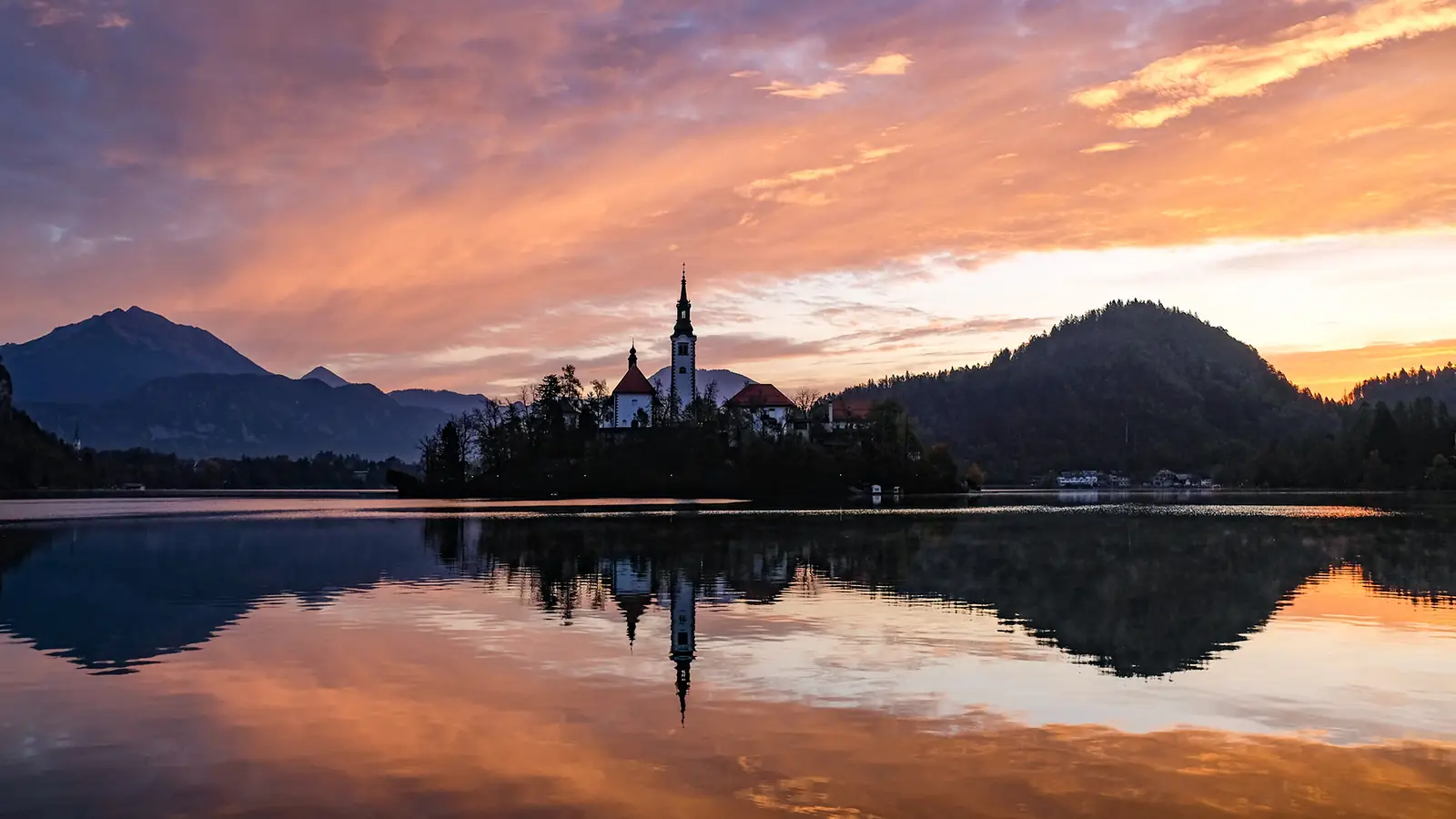
Moving to Slovenia
10 ways to move to Slovenia in our guide: 1 nomad / remote-work visa, 4 work visas, 1 student visa, 2 routes by nationality or ancestry, 2 spouse visas.
Remote workers: Digital nomad permit, ~€3,391 a month ≈ $3,790. Checked against official sources on .
Slovenia offers a structured set of residence routes for non-EU nationals, from remote workers to highly qualified employees, researchers, students and family members. Visas and tax are separate matters.
Nomad / Remote work · 1

Digital nomad permit
Income needed: ~€3,391 a month ≈ $3,790
Work · 4

Student · 1

Student permit
Income needed: €507+ a month ≈ $570
For your nationality or ancestry · 2

Open only to citizens of certain countries or to people with family roots here. Unlike free movement, each needs an application.
Slovenian expatriate naturalisation
Slovenian citizenship by origin
Spouse visas · 2

For people married to, or in a partnership with, a citizen or permanent resident.
Spouse of a resident
First stay: 2 yrs
Spouse of a citizen
First stay: 5 yrs
Free movement and visa-free stays · 1
EU free movement · Lets you live here
Open to 31 passports: Austria, Belgium, Bulgaria, Croatia, Cyprus, Czechia, Denmark, Estonia, Finland, France, Germany, Greece, Hungary, Iceland, Ireland, Italy, Latvia, Liechtenstein, Lithuania, Luxembourg, Malta, Netherlands, Norway, Poland, Portugal, Romania, Slovakia, Slovenia, Spain, Sweden, Switzerland.
Tax
Residents pay personal income tax on worldwide income at progressive rates, while non-residents pay only on Slovenian-source income. Foreign-source income of residents is taxed in Slovenia, with double-tax-treaty relief. The tax authority decides residency on application, and presence over the stated day threshold in a tax year alone makes a person a resident, retroactively from the first day of presence. A special allowance reduces employment income tax for certain new resident employees who meet the conditions.
Standard rules
Personal income tax: progressive 16-50% on worldwide income of residents
Progressive rates
Details
- On: Net annual tax base from all income
- Limit: €9,721/yr ≈ $11k
Residents pay personal income tax on worldwide income at progressive rates of 16% to 50%; non-residents pay only on Slovenian-source income.
Taxed on
Net annual tax base from all income; foreign-source income of residents is taxed in Slovenia, with double-tax-treaty relief.
Who it applies to
- A person is resident if they have registered permanent residence, a habitual abode or centre of personal and economic interests in Slovenia, or are present for more than 183 days in a tax year.
- Residents are taxed on income earned in Slovenia and abroad.
Exclusions
- Non-residents are taxed only on income with a source in Slovenia.
- A person who is a resident of another country under a double tax treaty is treated as non-resident.
Limits
- EUR 9,721.43 a year (≈ $10,900) · Net annual tax base up to which the 16% rate applies (2026)
- EUR 28,592.44 a year (≈ $31,900) · Upper limit of the 26% band (2026)
- EUR 57,184.88 a year (≈ $63,900) · Upper limit of the 33% band (2026)
- EUR 82,346.23 a year (≈ $92,000) · Upper limit of the 39% band; the 50% rate applies above it (2026)
Days in the country
- More than 183 days in tax year · Presence in Slovenia for a total of more than 183 days in a tax year makes a person a Slovenian tax resident.
Tax residence
The tax authority decides residency on application; presence of more than 183 days in a tax year alone makes a person a resident, retroactively from the first day of presence.
Visas
Immigration status does not decide tax residence.
Other taxes
Social security contributions are paid in addition and depend on the type of work.
Checked against official sources on Change log
Special regime
Special allowance for new residents: 7% reduction of employment income tax
Tax relief
Details
- On: Received salary or salary compensation under an employment relationship
A new resident employee under 40 with a salary of at least twice the average annual salary gets a 7% reduction of income tax on salary, for up to five consecutive tax years.
Taxed on
Received salary or salary compensation under an employment relationship; the income tax on that salary is reduced by 7% (a reduction, not a tax rate).
Who it applies to
- Applicant is a Slovenian tax resident who was not resident in the two tax years before starting work in Slovenia and had no Slovenian employment or business income in that period.
- Contractual salary of at least two times the latest known average annual salary of employees in Slovenia, calculated per month.
- Employment with a Slovenian resident employer or a non-resident with a permanent establishment in Slovenia, with the salary deductible for the employer.
- Under 40 years of age on the date of starting work in Slovenia.
- The employment condition counts as met if the employment in Slovenia lasts at least ten months in the tax year.
Exclusions
- Not applied to income taxed under Article 45.a of the Personal Income Tax Act.
Tax residence
Granted for up to five consecutive tax years while the conditions in the first, third and fourth points hold; the first year is the year work starts.
Visas
Not tied to a specific permit; requires employment in Slovenia and tax residence.
Other taxes
Social security contributions are separate from income tax.
Checked against official sources on Change log
Standard rules
Taxation of digital nomad permit holders (ordinary personal income tax rules)
Worldwide income
Details
- On: Residents: worldwide income
No separate nomad tax regime: a permit holder who is a Slovenian tax resident pays personal income tax on worldwide income at 16% to 50%, and a non-resident pays only on income with a Slovenian source, including work physically done in Slovenia for a foreign employer unless a tax treaty exempts it.
Taxed on
Residents: worldwide income. Non-residents: Slovenian-source income; employment income is Slovenian-source when the work is done in Slovenia, whoever pays it. Self-employed nomads with a business abroad may also create a permanent establishment in Slovenia, judged under the Corporate Income Tax Act and any tax treaty.
Who it applies to
- Tax residence follows Article 6 of the Personal Income Tax Act, not the permit: registered permanent residence, habitual abode or centre of personal and economic interests in Slovenia, or more than 183 days of presence in a tax year.
- A person who is resident in another country under a tax treaty tie-breaker is treated as a Slovenian non-resident.
- Under a treaty, a non-resident working in Slovenia for a foreign employer is taxed only in the home country if present no more than 183 days in a 12-month period, the employer is not resident in Slovenia and the pay is not borne by a permanent establishment there; the exemption is claimed on the tax return with a residence certificate.
- Residents and non-residents working in Slovenia for a foreign employer must declare the income to the tax authority themselves, which assesses advance tax by decision.
Exclusions
- The permit does not change tax residence or create any tax exemption.
- The 7% new-resident reduction requires employment with a Slovenian-resident employer (or a foreign employer with a permanent establishment in Slovenia) and a contractual salary of at least twice the average annual salary.
Days in the country
- More than 183 days in tax year · Presence in Slovenia for a total of more than 183 days in a tax year makes a person a Slovenian tax resident (Article 6 ZDoh-2).
Tax residence
Residence is decided by the tax authority on application; more than 183 days of presence in a tax year alone makes a person a resident.
Visas
The digital nomad permit defines only the right to stay; it has no tax effect.
Other taxes
Social security: a nomad employed by a foreign employer who is covered by Slovenian insurance files and pays both employee and employer contributions personally (form OPSVT, return by the 15th and payment by the 20th of the following month); self-employed nomads in Slovenian insurance file form OPSVZ. Whether insurance applies depends on the Slovenian insurance rules and any bilateral social security agreement.
Checked against official sources on Change log
Checked against official sources on Change log
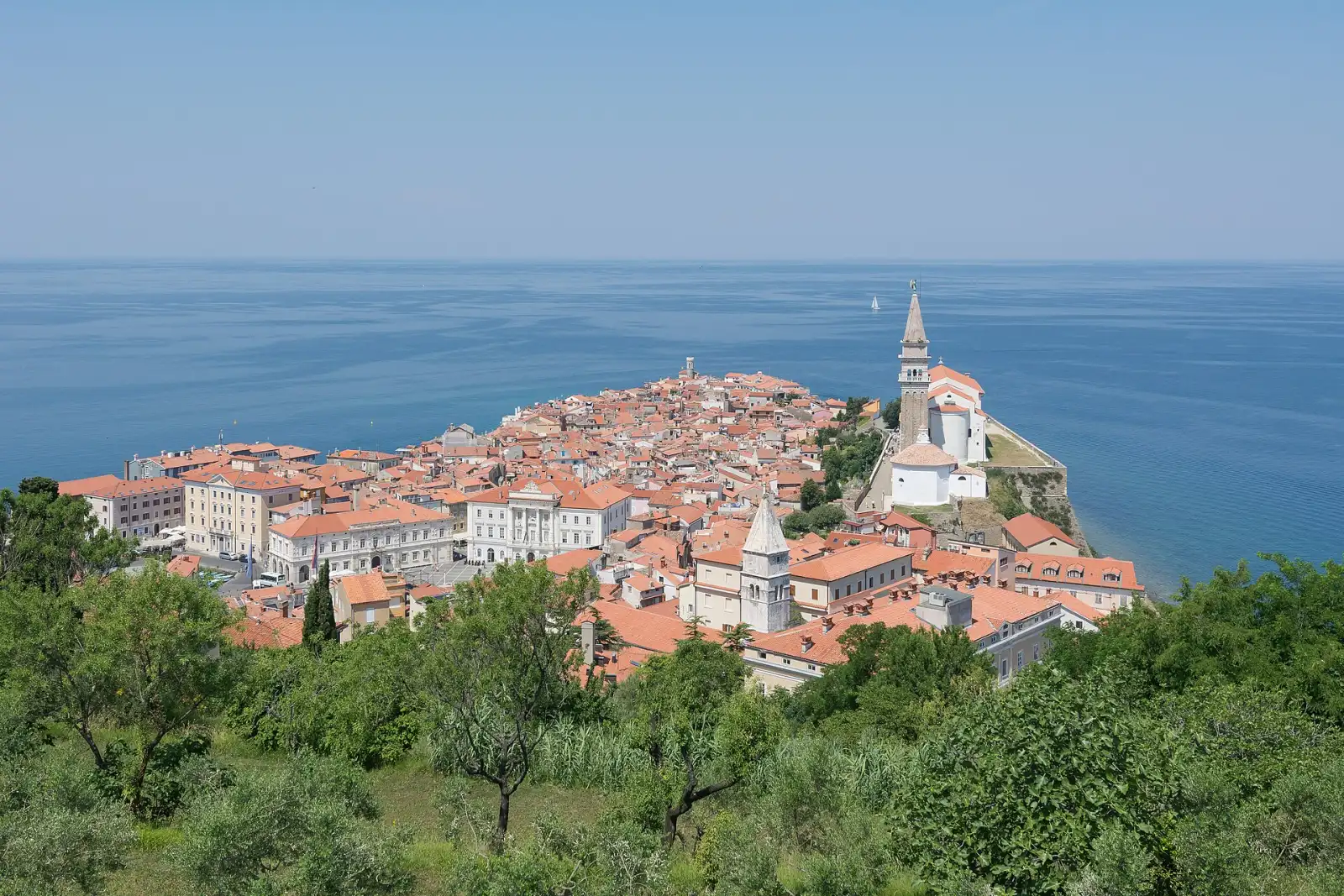
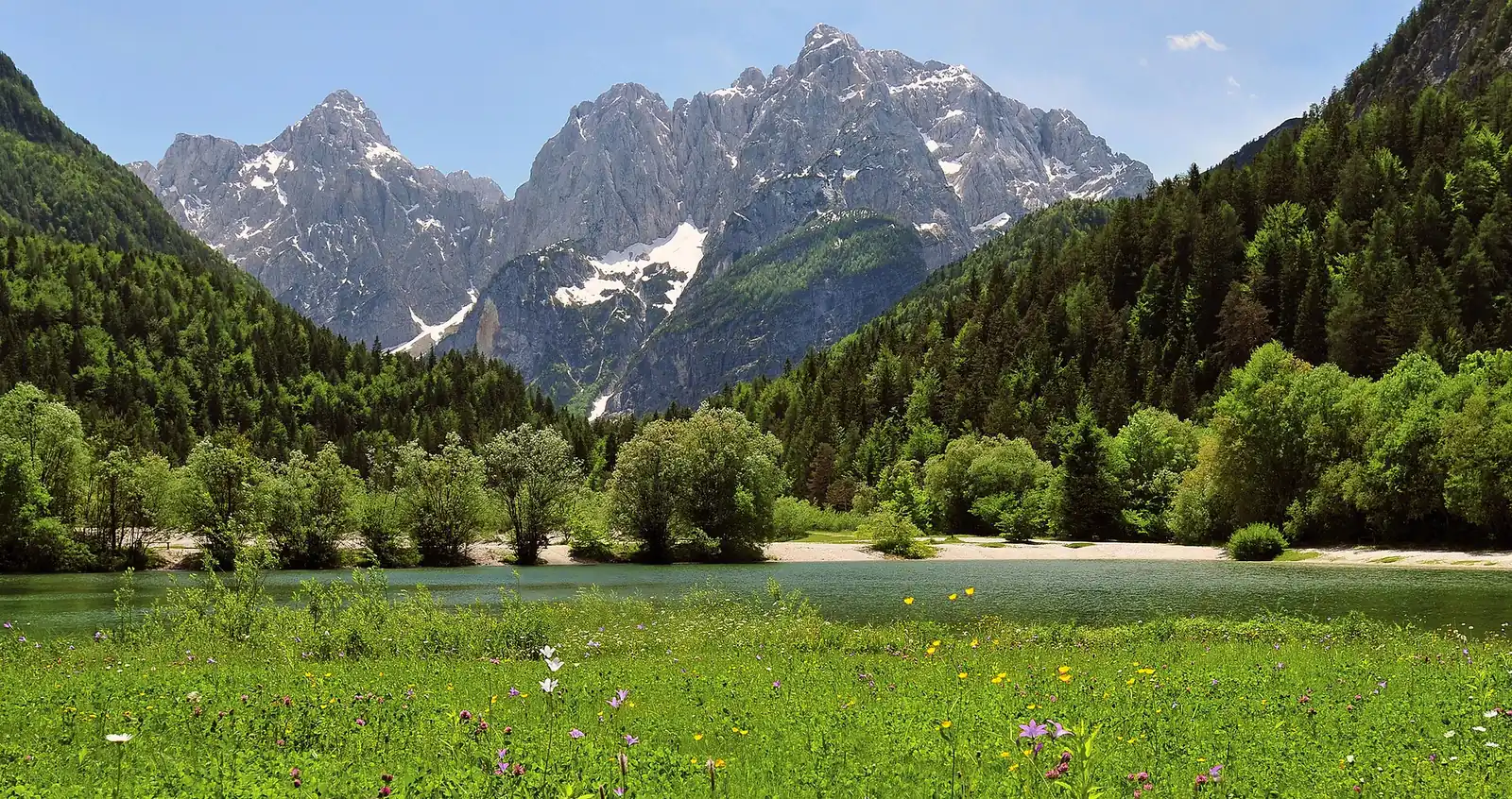
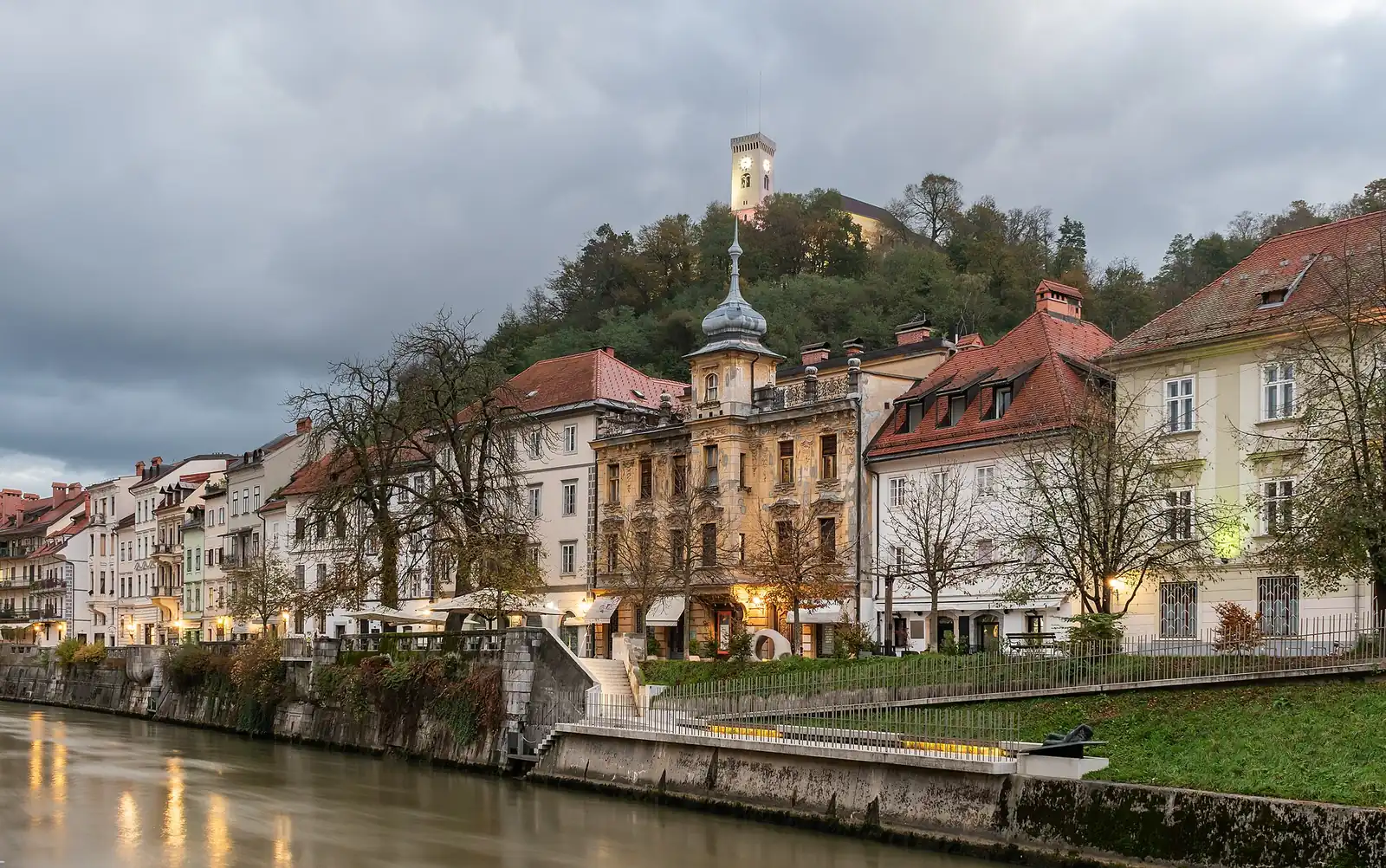
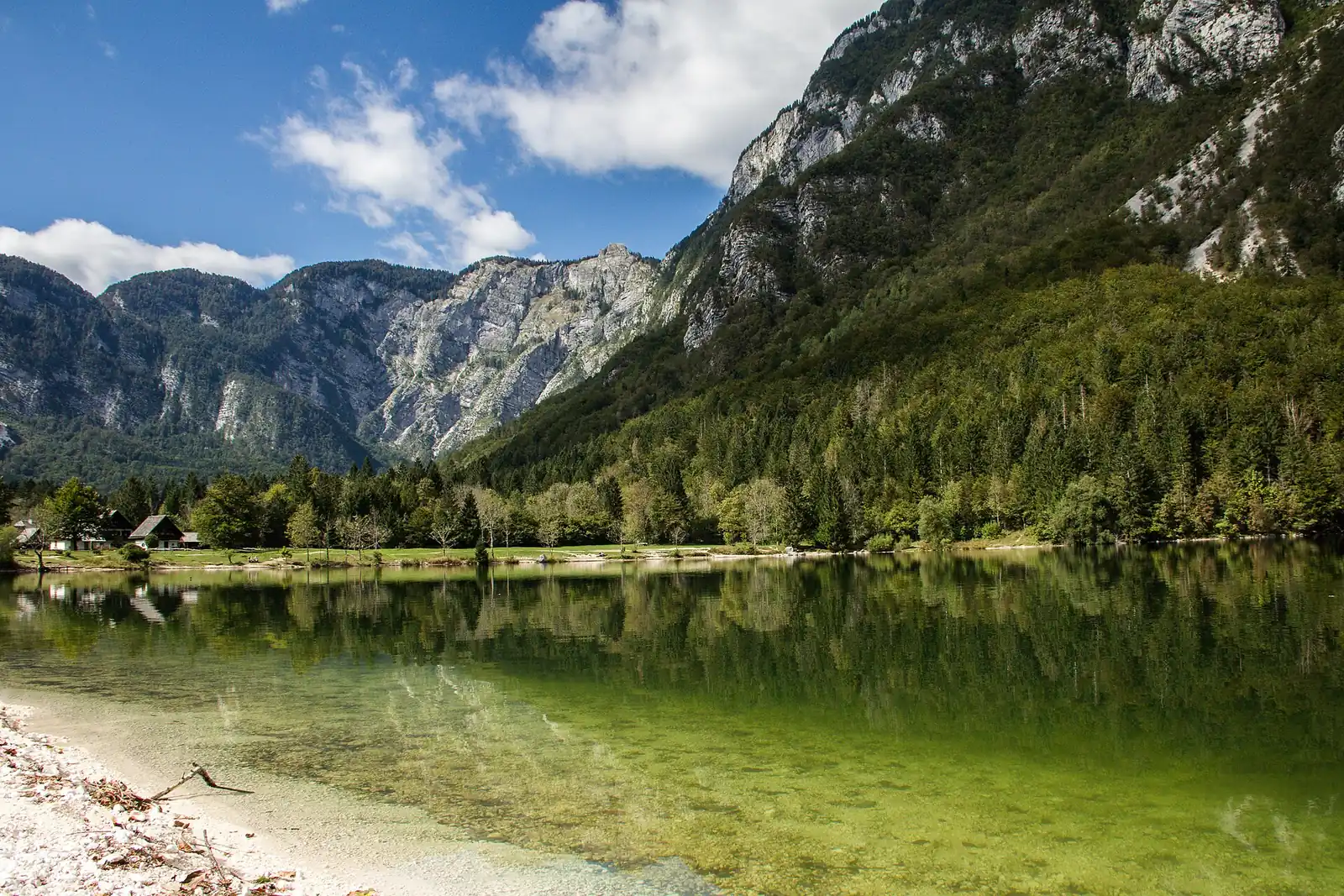
Slovenia in pictures
Switch to later · 2
Business / Startup
Self-employed permit
Income needed: €507+ a month ≈ $570
Work
Graduate job search
Income needed: €507+ a month ≈ $570
Path to permanent residence · 3
- Citizenship after 5 years · Slovenian citizenship by naturalisation for expatriates and descendants to the second generation (Citizenship Act, national-interest naturalisation)
- Citizenship · Slovenian citizenship by origin for children born abroad to a Slovenian parent (registration before 18 or declaration by age 36)
- PR after 5 years · Permanent residence permit
Arriving in Slovenia: first steps
- Arrange health insurance that meets the requirement for your route before or on arrival.
- Register your address with the administrative unit handling your permit.
- Open a bank account and keep evidence of the funds required for your route.
- Report to the administrative unit promptly if your studies are interrupted, finished or withdrawn, where your route requires it.
- Keep your passport valid for the period your route requires.
Questions people ask
What is the Slovenia digital nomad visa income requirement in 2026?
Slovenia has 1 nomad or remote-work visa. Digital nomad permit asks for an income of about EUR 3,390.68 a month (≈ $3,790) and gives a first stay of 1 year.
What work visas does Slovenia offer foreigners?
Slovenia has 4 work visas. EU Blue Card gives a first stay of 2 years that can be renewed. Researcher permit asks for a salary of at least EUR 507.43 a month (≈ $570) and gives a first stay of 2 years that can be renewed. Intra-company transfer gives a first stay of 1 year that can be renewed.
How do I get a student visa for Slovenia?
Slovenia has 1 student visa. Student permit asks for an income of at least EUR 507.43 a month (≈ $570) and gives a first stay of 1 year that can be renewed.
Can my nationality or ancestry give me residence in Slovenia?
Yes. Slovenia has 2 routes by nationality or ancestry. There is also Slovenian expatriate naturalisation and Slovenian citizenship by origin.
Can I join my spouse or partner in Slovenia?
Yes. Slovenia has 2 spouse visas. Spouse of a resident gives a first stay of 2 years that can be renewed. Spouse of a citizen gives a first stay of 5 years that can be renewed.
Compare with
≈ USD figures are approximate: daily reference rates from ExchangeRate-API, dated 12 Oct 2026, refreshed when the site is updated.
Ask the AI about Slovenia AI
An AI assistant answers from the published records on this page and cites them. It can't assess your personal eligibility. Don't include personal details.