
Moving to Kenya
16 ways to move to Kenya in our guide: 1 nomad / remote-work visa, 3 investor routes, 1 pay-to-stay route, 2 business / startup routes, 6 work visas, 1 student visa, 2 spouse visas.
Remote workers: Class N · Digital nomad, $55k+ a year. Smallest investment: Class A · Mining, $100k+. Tax for newcomers: Kenya: income tax on income accrued in or derived from Kenya, 35% tax. Checked against official sources on .
Kenya offers a range of permits for people who want to live, work, or invest. The right route depends on your situation: remote worker, professional, business owner, or employee.
Nomad / Remote work · 1

Class N · Digital nomad
Income needed: $55k+ a year
Investing · 3

Class A · Mining
Investment needed: $100k+
Class B · Farming
Investment needed: $100k+
Class F · Manufacturing
Investment needed: $100k+
Retire or live on savings · 1

Class K · Ordinary resident
Income needed: $24k+ a year
Business / Startup · 2

Class C · Prescribed profession
First stay: 5 yrs
Class G · Business
Investment needed: $100k+
Work · 6

Student · 1

Spouse visas · 2

For people married to, or in a partnership with, a citizen or permanent resident.
Free movement and visa-free stays · 2
East African free movement · Lets you live here
Open to 6 passports: Burundi, Democratic Republic of the Congo, Rwanda, South Sudan, Uganda, United Republic of Tanzania.
Visa-free stay (6 months) · Up to 6 months without a visa
Open to 6 passports: Burundi, Democratic Republic of the Congo, Rwanda, South Sudan, Uganda, United Republic of Tanzania.
Tax
Kenya taxes income that accrued in or was derived from Kenya, for both residents and non-residents. Income arising wholly outside Kenya is generally outside that charge, except employment or service pay to a resident, which is deemed Kenyan-source wherever the work is done. Residency depends on having a permanent home in Kenya or meeting day-count tests.
Standard rules
Kenya individual income tax bands (PAYE)
Details
- On: Taxable employment income (cash pay plus non-cash benefits above KES 5,000 (≈ $39) a month)
- Who: Employers register for PAYE and deduct tax from emoluments
- Limit: KES 288k/yr ≈ $2,220
Employment income is taxed in five bands from 10 percent to 35 percent; PAYE applies to residents and non-residents, and the personal relief of KES 28,800 (≈ $220) a year is granted to resident individuals only.
Taxed on
Taxable employment income (cash pay plus non-cash benefits above KES 5,000 (≈ $39) a month)
Who it applies to
- Employers register for PAYE and deduct tax from emoluments.
Limits
- KES 288,000 a year (≈ $2,220) · First band taxed at 10 percent; next KES 100,000 (≈ $770) at 25 percent; next KES 5,612,000 (≈ $43,300) at 30 percent; next KES 3,600,000 (≈ $27,800) at 32.5 percent; above KES 9,600,000 (≈ $74,000) at 35 percent.
- KES 28,800 a year (≈ $220) · Personal tax relief.
Visas
Tax is separate from the permit class.
Other taxes
Capital gains tax is 15 percent of the net gain on transfer of property in Kenya, a final tax (gains on Kenyan immovable property, and foreign-entity shares deriving more than 20 percent of value from Kenyan immovable property from 1 July 2023).
Checked against official sources on , some details partly verifiedChange log
Standard rules
Kenya: income tax on income accrued in or derived from Kenya; 10-35% bands
35% tax
Details
- On: Income accrued in or derived from Kenya (Income Tax Act s.3)
- Limit: KES 288k/yr ≈ $2,220
Kenya charges income tax on all income, of residents and non-residents, that accrued in or was derived from Kenya, at progressive rates from 10% to 35%; income arising wholly outside Kenya is outside that charge, except employment or service pay to a resident, which is deemed Kenyan-source wherever the work is done.
Taxed on
Income accrued in or derived from Kenya (Income Tax Act s.3), including amounts paid to a resident person for employment or services rendered in Kenya or outside Kenya (deeming provision). Bands from 1 July 2023: 10% on the first KES 288,000 (≈ $2,220) a year (KES 24,000 (≈ $190) a month), 25% on the next KES 100,000, (≈ $770) 30% on the next KES 5,612,000, (≈ $43,300) 32.5% on the next KES 3,600,000, (≈ $27,800) 35% on income above KES 9,600,000 (≈ $74,000).
Who it applies to
- Resident individuals receive a personal relief of KES 28,800 (≈ $220) a year (KES 2,400 (≈ $19) a month) and an insurance relief of 15% of premiums up to KES 60,000 (≈ $460) a year; non-residents get no personal relief.
Exclusions
- Non-residents are taxed on employment income paid by a Kenyan-resident employer or a Kenyan permanent establishment.
Limits
- KES 288,000 a year (≈ $2,220) · Upper limit of the 10% band (KES 24,000 (≈ $190) monthly).
- KES 9,600,000 a year (≈ $74,000) · Income above this amount is taxed at 35%.
Days in the country
- At least 183 days in year of income · Individual with no permanent home in Kenya is resident if present 183 days or more in the year of income.
- More than 122 days in year of income and each of the two preceding years (average) · Alternative test for an individual with no permanent home in Kenya: present in the year and averaging more than 122 days per year over the three years.
Tax residence
An individual with a permanent home in Kenya who was present for any period in the year of income is resident; otherwise the 183-day or 122-day-average tests apply.
Visas
Residence or work permits do not set tax residence; the permanent-home and presence tests in the Income Tax Act do.
Checked against official sources on Change log
Checked against official sources on Change log
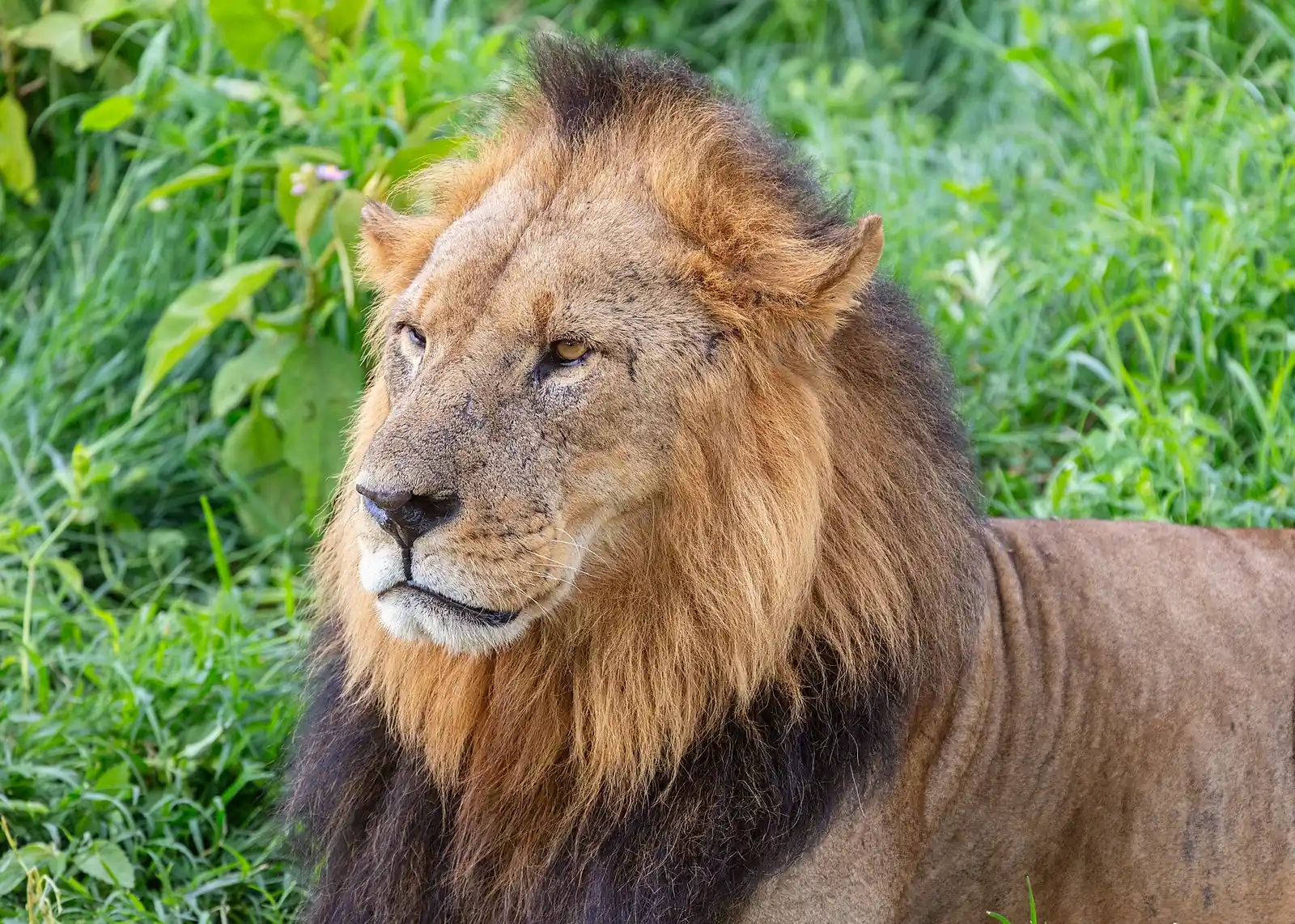
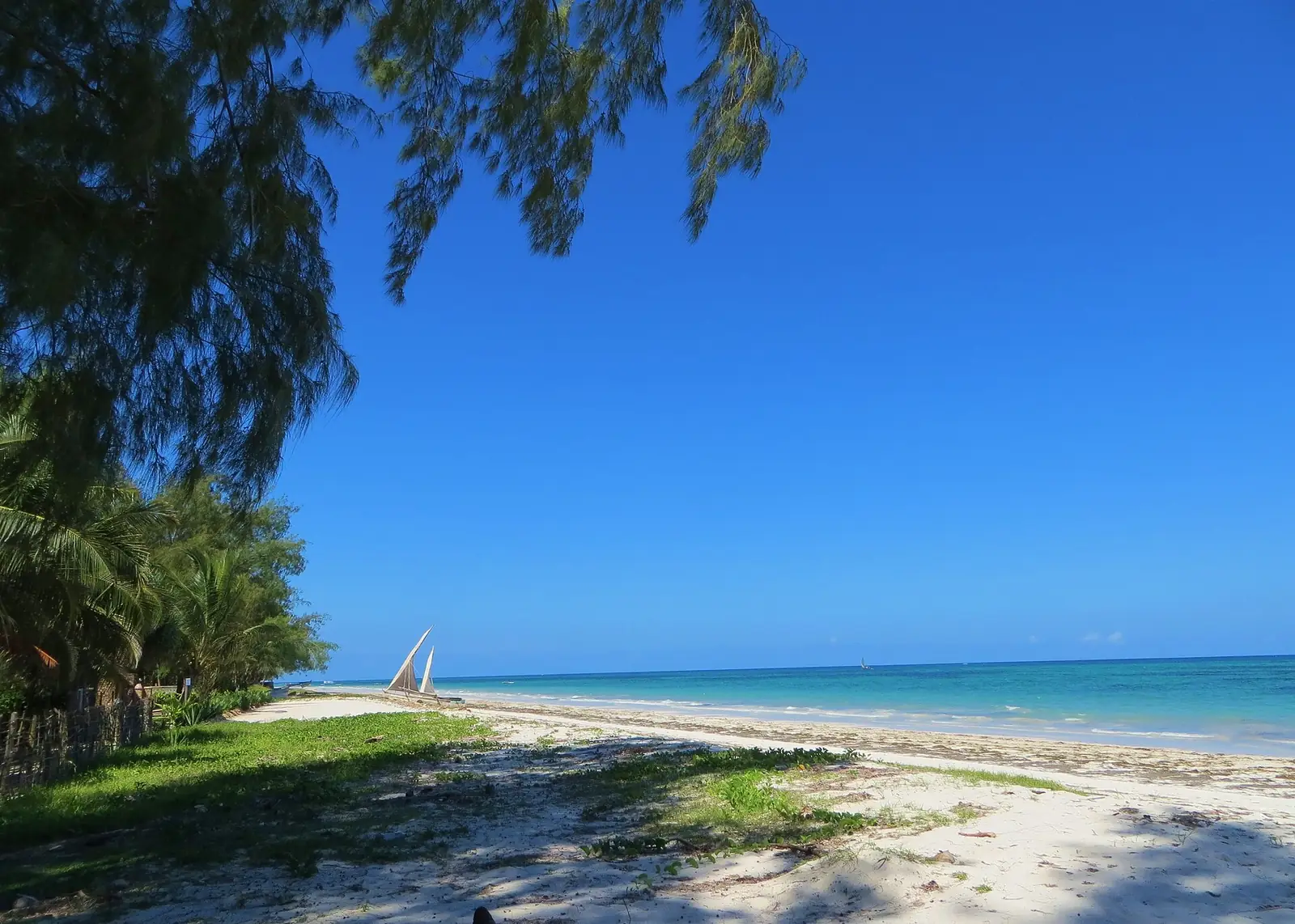
Kenya in pictures


Switch to later · 1
Spouse visas
PR via marriage
Path to permanent residence · 1
- PR after 7 years · Permanent residence — long-term work permit holders (Category B)
Arriving in Kenya: first steps
- Arrange health cover for yourself and any dependants.
- Secure proof of accommodation, such as a lease or letter from your host.
- Obtain a police clearance certificate from your home country.
- For some permits, get a letter of no objection from your home-country embassy.
- Open a Kenyan bank account if you will need to manage funds locally.
- Register with the relevant professional body if you are in a prescribed profession.
Questions people ask
What is the Kenya digital nomad visa income requirement in 2026?
Kenya has 1 nomad or remote-work visa. Class N · Digital nomad asks for an income of at least $55,000 a year and gives a first stay of 2 years that can be renewed.
How much do you need to invest for residency in Kenya?
Kenya has 3 investor routes. Class A · Mining asks for an investment of at least $100,000 and gives a first stay of 5 years that can be renewed. Class B · Farming asks for an investment of at least $100,000 and gives a first stay of 5 years that can be renewed. Class F · Manufacturing asks for an investment of at least $100,000 and gives a first stay of 5 years that can be renewed.
Can I retire or live in Kenya on my savings or pension?
Kenya has 1 retirement or pay-to-stay route. Class K · Ordinary resident asks for an income of at least $24,000 a year and gives a first stay of 5 years that can be renewed.
Can I move to Kenya by starting a business?
Kenya has 2 business or startup routes. Class C · Prescribed profession gives a first stay of 5 years that can be renewed. Class G · Business asks for an investment of at least $100,000 and gives a first stay of 5 years that can be renewed.
What work visas does Kenya offer foreigners?
Kenya has 6 work visas. Class D · Employment gives a first stay of 5 years that can be renewed. Class I · Religious work gives a first stay of 5 years that can be renewed. Class P · International staff gives a first stay of 5 years that can be renewed.
How do I get a student visa for Kenya?
Kenya has 1 student visa. It is Student pass.
Can I join my spouse or partner in Kenya?
Yes. Kenya has 2 spouse visas. There is also Spouse of a citizen and Spouse of a permanent resident.
Compare with
≈ USD figures are approximate: daily reference rates from ExchangeRate-API, dated 12 Oct 2026, refreshed when the site is updated.
Ask the AI about Kenya AI
An AI assistant answers from the published records on this page and cites them. It can't assess your personal eligibility. Don't include personal details.