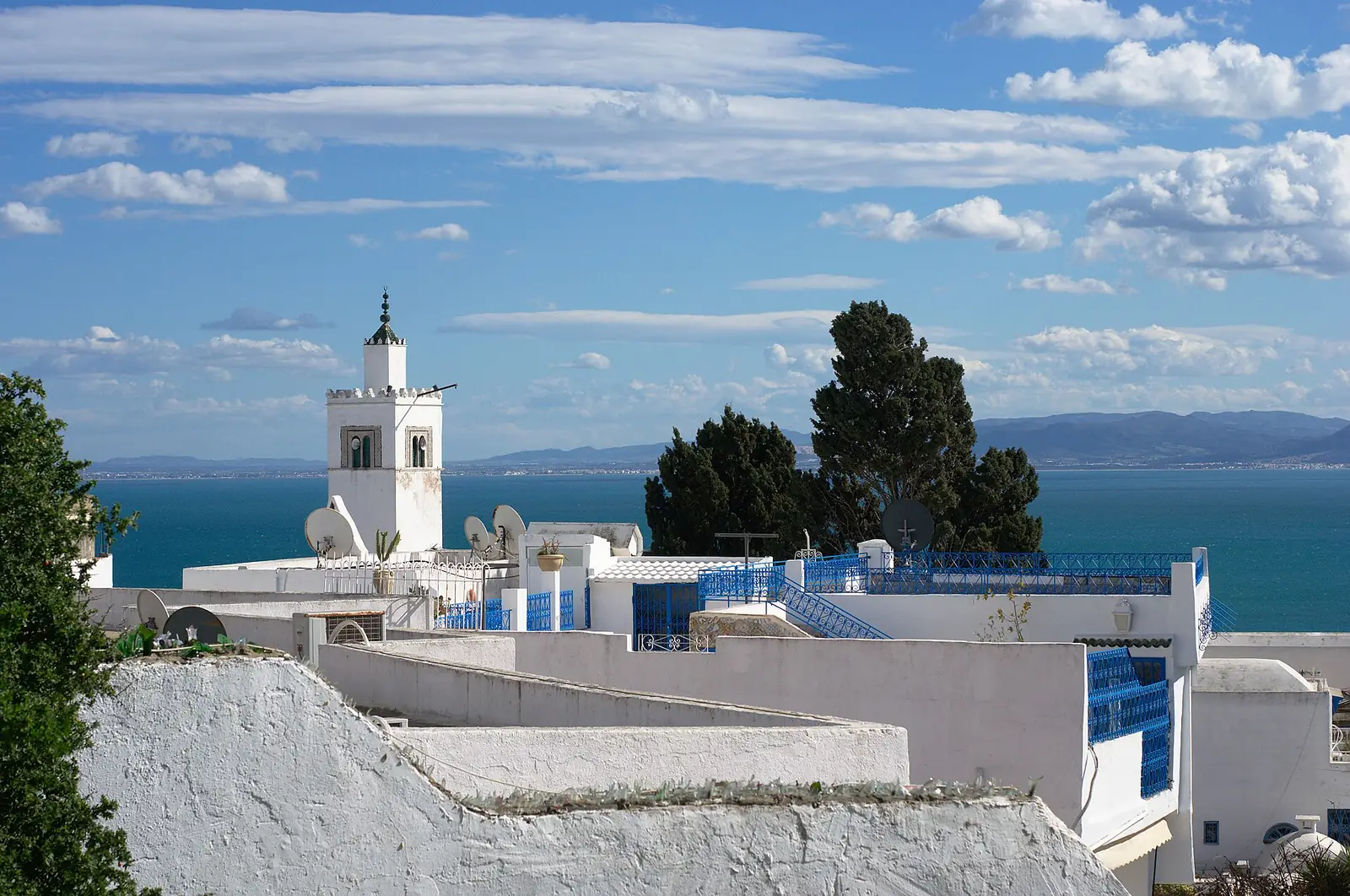
Moving to Tunisia
5 ways to move to Tunisia in our guide: 1 investor route, 1 pay-to-stay route, 1 work visa, 1 student visa, 1 spouse visa.
No digital nomad visa. Checked against official sources on .
Tunisia offers a straightforward residence card system for foreigners who enter legally and respect the rules on entry, stay and work. Visas and tax are separate matters.
Investing · 1

Investor residence card
Retire or live on savings · 1

Retiree residence card
Work · 1

Work residence card
Student · 1

Student residence card
Spouse visas · 1

For people married to, or in a partnership with, a citizen or permanent resident.
Spouse of a citizen
Tax
Personal income tax (IRPP) applies to individuals with usual residence in Tunisia, on worldwide income, while non-residents pay on Tunisian-source income only. Foreign-source income that has not borne tax in the source country is taxable. Pensions and annuities from abroad that are transferred to Tunisia get a flat deduction when computing net income, with the remaining part taxed at the IRPP scale.
Standard rules
Tunisia: personal income tax (IRPP) 0-40%; foreign-source income of residents taxed if untaxed at source
Progressive rates
Details
- On: Net income after flat deductions (10% of salaries capped at TND 2,000 (≈ $670) a year
- Limit: TND 5,000/yr ≈ $1,660
IRPP is due from every individual with usual residence in Tunisia, on a progressive scale of 0% up to TND 5,000, (≈ $1,660) then 15%, 25%, 30%, 33%, 36%, 38% and 40% above TND 70,000 (≈ $23,300) (Finance Law 2025, income realised from 1 January 2025); foreign-source income that has not borne tax in the source country is taxable, and foreign pensions transferred to Tunisia get an 80% deduction. Non-residents pay on Tunisian-source income only.
Taxed on
Net income after flat deductions (10% of salaries capped at TND 2,000 (≈ $670) a year; 25% of pensions, 80% for pensions and annuities from abroad transferred to Tunisia; 20% of rental income and non-commercial profits without accounts) and family allowances. Scale on net income: 0% to TND 5,000 (≈ $1,660); 15% from 5,000.001 to 10,000; 25% to 20,000; 30% to 30,000; 33% to 40,000; 36% to 50,000; 38% to 70,000; 40% above 70,000.
Who it applies to
- Taxable income categories include foreign-source income that has not borne tax in the country of source (category of other income).
- Pensions and annuities from abroad transferred to Tunisia qualify for the 80% flat deduction.
Exclusions
- Exempt items include interest on deposits and securities in foreign currency or convertible dinars, and dividends from Tunisian companies up to TND 10,000 (≈ $3,330) a year.
- Non-residents are taxed only on Tunisian-source income.
Limits
- TND 5,000 a year (≈ $1,660) · Upper limit of the 0% band (first TND 5,000 (≈ $1,660)).
- TND 10,000 a year (≈ $3,330) · Upper limit of the 15% band (TND 5,000.001 (≈ $1,660) to 10,000), 2025 scale in force for 2026.
- TND 20,000 a year (≈ $6,650) · Upper limit of the 25% band (TND 10,000.001 (≈ $3,330) to 20,000).
- TND 30,000 a year (≈ $9,980) · Upper limit of the 30% band (TND 20,000.001 (≈ $6,650) to 30,000).
- TND 40,000 a year (≈ $13,300) · Upper limit of the 33% band (TND 30,000.001 (≈ $9,980) to 40,000).
- TND 50,000 a year (≈ $16,600) · Upper limit of the 36% band (TND 40,000.001 (≈ $13,300) to 50,000).
- TND 70,000 a year (≈ $23,300) · Upper limit of the 38% band (TND 50,000.001 (≈ $16,600) to 70,000); income above TND 70,000 (≈ $23,300) is taxed at 40%.
- TND 10,000 a year (≈ $3,330) · Annual dividends from Tunisian companies up to this amount are exempt.
Tax residence
IRPP applies to individuals with usual residence (résidence habituelle) in Tunisia; non-residents are taxed on Tunisian-source income.
Other taxes
VAT is 18% general rate with 6% and 12% reduced rates; corporate tax, registration and stamp duties and local taxes exist separately. Flat-rate regime for small individual businesses up to TND 100,000 (≈ $33,300) turnover: TND 75 (≈ $25) or 150 a year up to TND 10,000, (≈ $3,330) otherwise 3% of turnover. A contribution sociale de solidarité on individuals' income was extended by Finance Law 2026 (Art. 87) for returns due up to 2026. Finance Law 2026 (Art. 56) raises the pension deduction from 25% to 30% in 2027, 40% in 2028 and 50% in 2029. A yearly wealth tax (impôt sur la fortune) applies from the Finance Law for 2026, article 88: 0.5% on net wealth between TND 3 million (≈ $998,000) and TND 5 million (≈ $1,660,000) and 1% above TND 5 million (≈ $1,660,000), due on 1 January each year. It covers property in Tunisia for anyone and property in Tunisia and abroad for tax residents; the main home, assets used in a business, vehicles of up to 12 fiscal horsepower and deposits with banks or the Post are excluded.
Checked against official sources on Change log
Special regime
Tunisia: 80% flat deduction on foreign pensions transferred to Tunisia
Tax relief
Details
- On: Gross pension or annuity from abroad transferred to Tunisia
Pensions and annuities from abroad that are transferred to Tunisia receive an 80% flat deduction when computing net income for IRPP, against 25% for other pensions; the remaining 20% is taxed at the IRPP scale.
Taxed on
Gross pension or annuity from abroad transferred to Tunisia; net taxable income after the 80% flat deduction is taxed at the IRPP scale (0% to TND 5,000, (≈ $1,660) then 15%, 25%, 30%, 33%, 36%, 38% and 40% above TND 70,000 (≈ $23,300)).
Who it applies to
- Individual with usual residence in Tunisia receiving pensions or life annuities from abroad that are transferred to Tunisia.
Exclusions
- Other pensions get a 25% flat deduction; other foreign-source income not taxed at source is taxed in the other-income category.
Tax residence
IRPP applies to individuals with usual residence in Tunisia.
Other taxes
See the ordinary-context record for VAT and other taxes.
Checked against official sources on , some details partly verifiedChange log
Checked against official sources on Change log
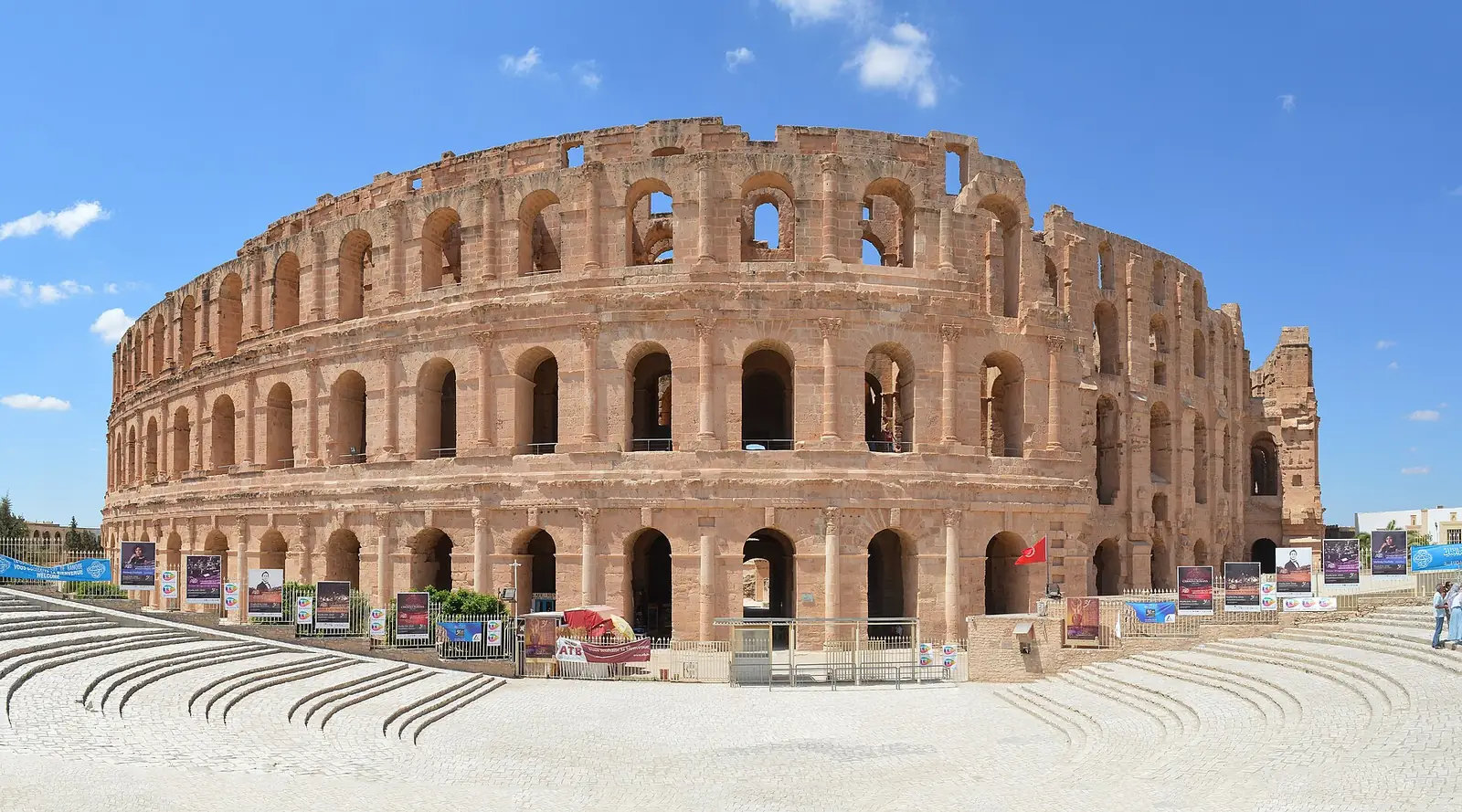
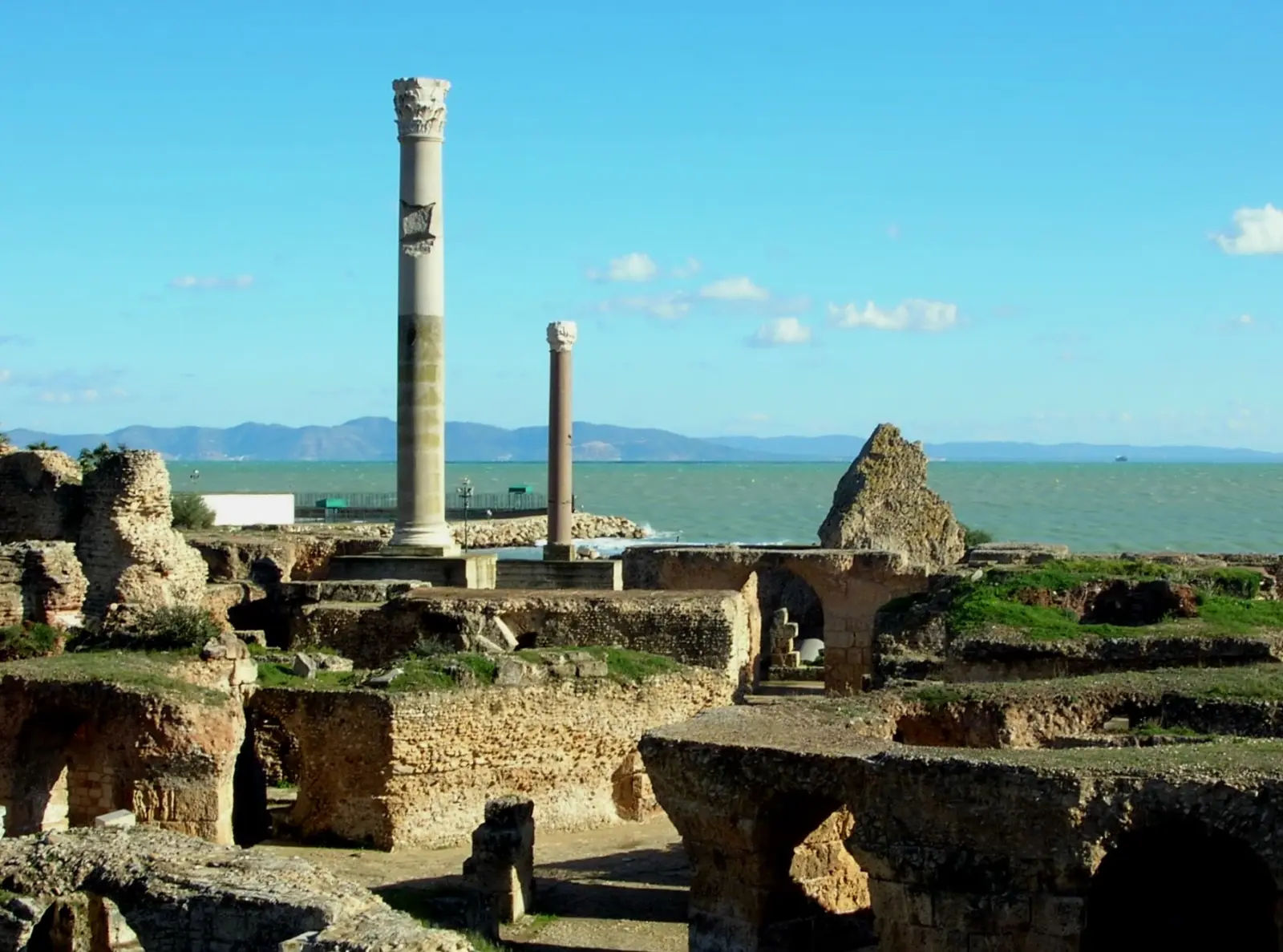
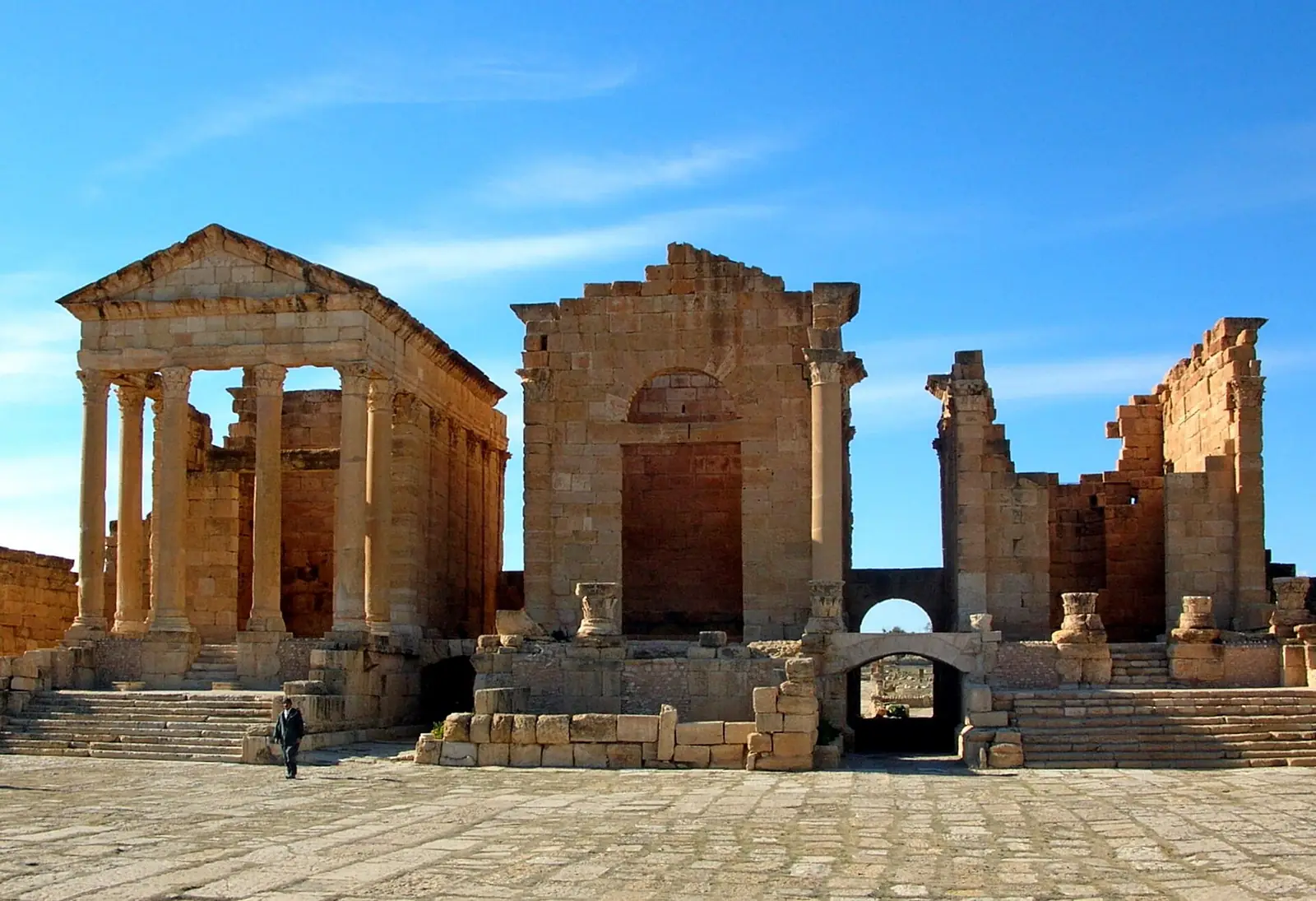
Tunisia in pictures

Arriving in Tunisia: first steps
- Make sure you entered Tunisia legally and respect the rules on entry, stay and work.
- Arrange proof of accommodation, such as a rental contract or property title.
- For work, obtain a visaed employment contract or an attestation of non-submission to the work-contract visa requirement.
- For retirement, prepare an attestation of periodic and regular transfer of your pension or other income source.
- Lodge your application at the national security sector; a complete file is processed within the maximum time stated.
Questions people ask
How much do you need to invest for residency in Tunisia?
Tunisia has 1 investor route. It is Investor residence card.
Can I retire or live in Tunisia on my savings or pension?
Tunisia has 1 retirement or pay-to-stay route. It is Retiree residence card.
What work visas does Tunisia offer foreigners?
Tunisia has 1 work visa. It is Work residence card.
How do I get a student visa for Tunisia?
Tunisia has 1 student visa. It is Student residence card.
Can I join my spouse or partner in Tunisia?
Yes. Tunisia has 1 spouse visa. It is Spouse of a citizen.
Compare with
≈ USD figures are approximate: daily reference rates from ExchangeRate-API, dated 12 Oct 2026, refreshed when the site is updated.
Ask the AI about Tunisia AI
An AI assistant answers from the published records on this page and cites them. It can't assess your personal eligibility. Don't include personal details.