
Moving to Sri Lanka
6 ways to move to Sri Lanka in our guide: 1 nomad / remote-work visa, 2 investor routes, 1 work visa, 1 student visa, 1 spouse visa.
Remote workers: Digital nomad visa, $2,000+ a month. Smallest investment: Investor visa · General, from $100k. Checked against official sources on .
Sri Lanka offers a few residence routes that let you stay long-term, each tied to a different purpose: working remotely for foreign clients, investing through local banking channels, taking up approved employment, or studying. The visa and tax sides are separate, so what you do about tax registration and filing is a different question from what your visa allows.
Nomad / Remote work · 1

Digital nomad visa
Income needed: $2,000+ a month
Investing · 2

Golden Paradise · $200k
Investment needed: $200k+
Investor visa · General
Investment needed: from $100k
Work · 1

Employment visa
First stay: 1 yr
Student · 1

Education visa
First stay: 1 yr
Spouse visas · 1

For people married to, or in a partnership with, a citizen or permanent resident.
Spouse of a citizen
First stay: 1 yr
Tax
Tax and immigration are separate. For the Investor Category Residence Visa, the records note a specific statutory rule: a holder is treated as a Sri Lankan non-resident for a year of assessment under the Inland Revenue Act, effective from the stated date. Non-residents remain taxable on Sri Lankan-source income, while residents are generally chargeable on both Sri Lankan and foreign-source income. This exception applies to that visa category, not to other visa holders, and the digital nomad guide does not specify how much income must be Sri Lanka-source or what rate applies.
Special regime
Investor Category Residence Visa holders: not a Sri Lankan resident for income tax (s.69(1A))
Tax relief
Details
- On: Residence status for income tax: Sri Lankan-source gains and profits remain chargeable
An individual holding an Investor Category Residence Visa issued by the Controller of Immigration and Emigration is not a Sri Lankan resident for a year of assessment. Non-residents are charged income tax only on gains and profits arising or derived from Sri Lanka, so foreign-source income falls outside Sri Lankan income tax while the status applies.
Taxed on
Residence status for income tax: Sri Lankan-source gains and profits remain chargeable; foreign-source income is not charged to a non-resident.
Who it applies to
- Hold an Investor Category Residence Visa issued by the Controller of Immigration and Emigration for the year of assessment.
- Operative from 1 April 2025 (Inland Revenue (Amendment) Act No. 11 of 2026, section 9 inserting s.69(1A)).
Exclusions
- The Act does not say which of the investor options listed by the Immigration Department count as the Investor Category Residence Visa.
- Sri Lankan-source income remains taxable under non-resident rules.
Tax residence
Section 69(1A) overrides the general residence tests of s.69(1) for visa holders. Residents are chargeable on Sri Lankan and foreign-source income; non-residents on Sri Lankan-source gains and profits only (IRD).
Visas
Applies only to the Investor Category Residence Visa; digital nomad, employment, student and spouse visas are not covered by the provision.
Other taxes
VAT, withholding, exchange-control and home-country taxes are separate.
Checked against official sources on Change log
Standard rules
Income tax: residents on worldwide income, non-residents on Sri Lankan-source income
Details
- On: Gains and profits from employment, business, investment and other sources
- Who: Residence is determined under the Inland Revenue Act, No. 24 of 2017, s.69
- Limit: LKR 1.8M/yr ≈ $5,440
A resident is chargeable on income from Sri Lanka and on foreign-source income (global income); a non-resident only on gains and profits arising or derived from Sri Lanka. From 1 April 2025 the rates on taxable income are 6% to LKR 1,000,000, (≈ $3,020) 18% to LKR 1,500,000, (≈ $4,530) 24% to LKR 2,000,000, (≈ $6,050) 30% to LKR 2,500,000 (≈ $7,560) and 36% above, after an aggregate personal relief of LKR 1,800,000 (≈ $5,440) for residents and citizens.
Taxed on
Gains and profits from employment, business, investment and other sources, after the personal relief; gains from realising investment assets are taxed at 10%.
Who it applies to
- Residence is determined under the Inland Revenue Act, No. 24 of 2017, s.69.
Exclusions
- Employees leaving Sri Lanka for foreign employment under a contract of at least one year with a non-associated employer are not residents from the first day of that year of assessment until the contract expires (s.69(2A), effective 1 April 2025).
- Gains from realising investment assets are taxed at 10%, outside the progressive scale.
Limits
- LKR 1,800,000 a year (≈ $5,440) · Aggregate personal relief for a resident individual, or a non-resident Sri Lankan citizen, for each year of assessment commencing on or after 1 April 2025.
- LKR 1,000,000 a year (≈ $3,020) · 6% on taxable income up to LKR 1,000,000 (≈ $3,020) (years of assessment from 1 April 2025).
- LKR 1,500,000 a year (≈ $4,530) · 18% on taxable income from LKR 1,000,001 (≈ $3,020) to LKR 1,500,000 (≈ $4,530).
- LKR 2,000,000 a year (≈ $6,050) · 24% on taxable income from LKR 1,500,001 (≈ $4,530) to LKR 2,000,000 (≈ $6,050).
- LKR 2,500,000 a year (≈ $7,560) · 30% on taxable income from LKR 2,000,001 (≈ $6,050) to LKR 2,500,000 (≈ $7,560); 36% above LKR 2,500,000 (≈ $7,560).
Tax residence
Year of assessment runs from 1 April.
Visas
Visa status does not determine residence, except the Investor Category Residence Visa rule in s.69(1A).
Other taxes
VAT and other levies apply separately. A digital nomad visa extension requires proof of registration with the Inland Revenue Department.
Checked against official sources on Change log
Standard rules
Sri Lanka: residents taxed on worldwide income
Worldwide income
Details
- On: Worldwide income of residents (Inland Revenue Act section 4(a))
- Limit: LKR 1.8M/yr ≈ $5,440
A resident individual in Sri Lanka (resident there, or present 183 days or more in any 12-month period commencing or ending in the year of assessment) is taxed on income from wherever it arises; non-residents are taxed only on Sri Lankan-source income.
Taxed on
Worldwide income of residents (Inland Revenue Act section 4(a)); income arising in or derived from Sri Lanka for non-residents (section 4(b)).
Who it applies to
- Individual resident for the year of assessment: resides in Sri Lanka, or is present for 183 days or more in aggregate in any 12-month period commencing or ending during the year, or is a Government employee whose spouse is posted abroad, or works on a Sri Lankan ship.
- Resident individuals, and citizens who are non-residents, receive an aggregate personal relief of LKR 1,800,000 (≈ $5,440) for years of assessment commencing on or after 1 April 2025.
Exclusions
- Holders of an Investor Category Residence Visa are not residents for a year of assessment (section 69(1A), effective 1 April 2025); see “Investor Category Residence Visa holders: not a Sri Lankan resident for income tax (s.69(1A))”.
Limits
- LKR 1,800,000 a year (≈ $5,440) · Personal relief for resident individuals and citizens, for years of assessment from 1 April 2025
Days in the country
- At least 183 days in any 12-month period commencing or ending during the year of assessment · Presence makes an individual resident
Tax residence
Section 69(1) of the 2017 Act applies; the 2026 amendment changes section 69(1)(d) and adds 69(1A) only.
Visas
The Investor Category Residence Visa is the only visa carved out of resident status by statute.
Other taxes
Progressive rates are in “Income tax: residents on worldwide income, non-residents on Sri Lankan-source income”; VAT and other levies apply separately.
Checked against official sources on Change log
Checked against official sources on Change log
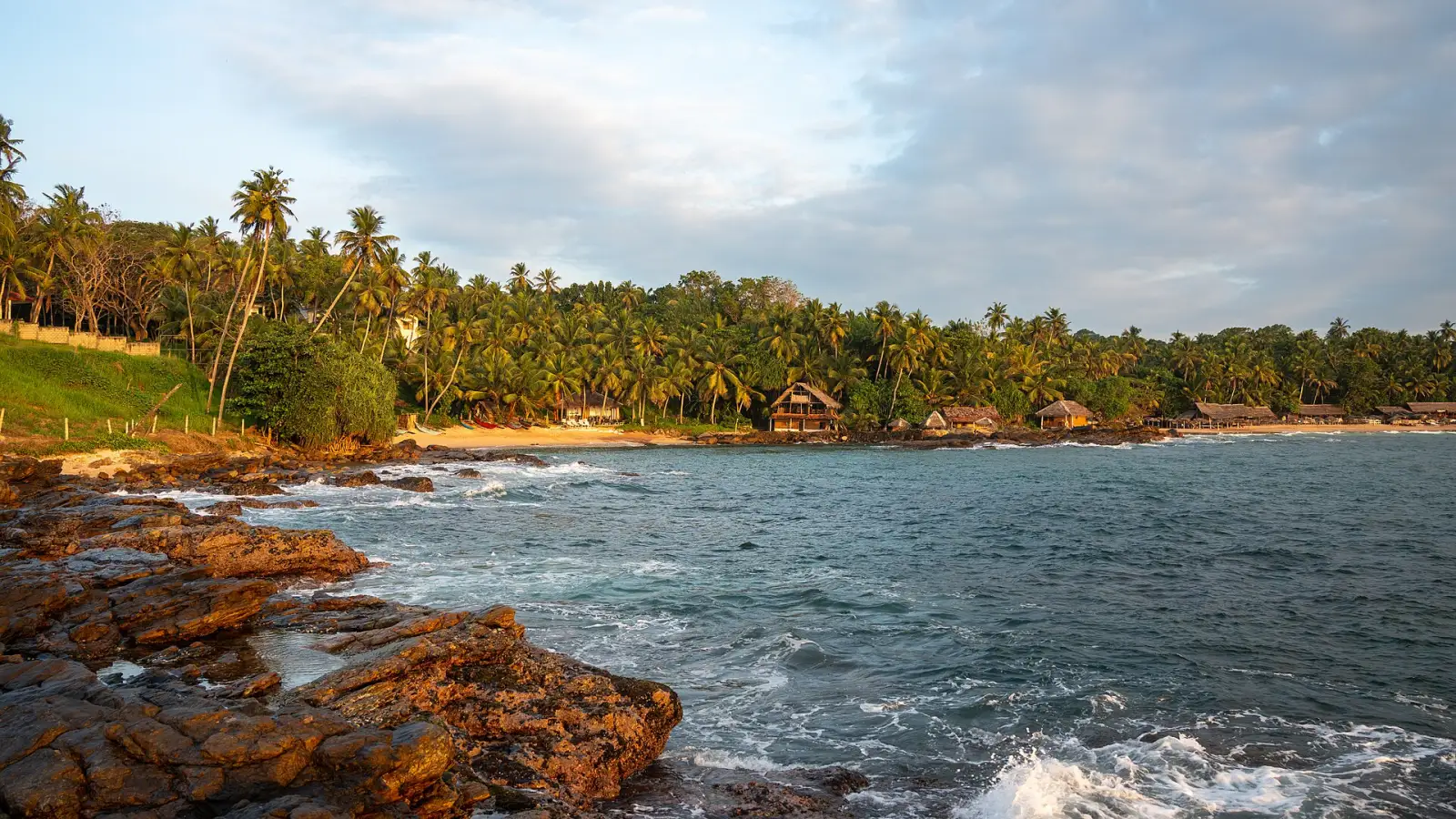
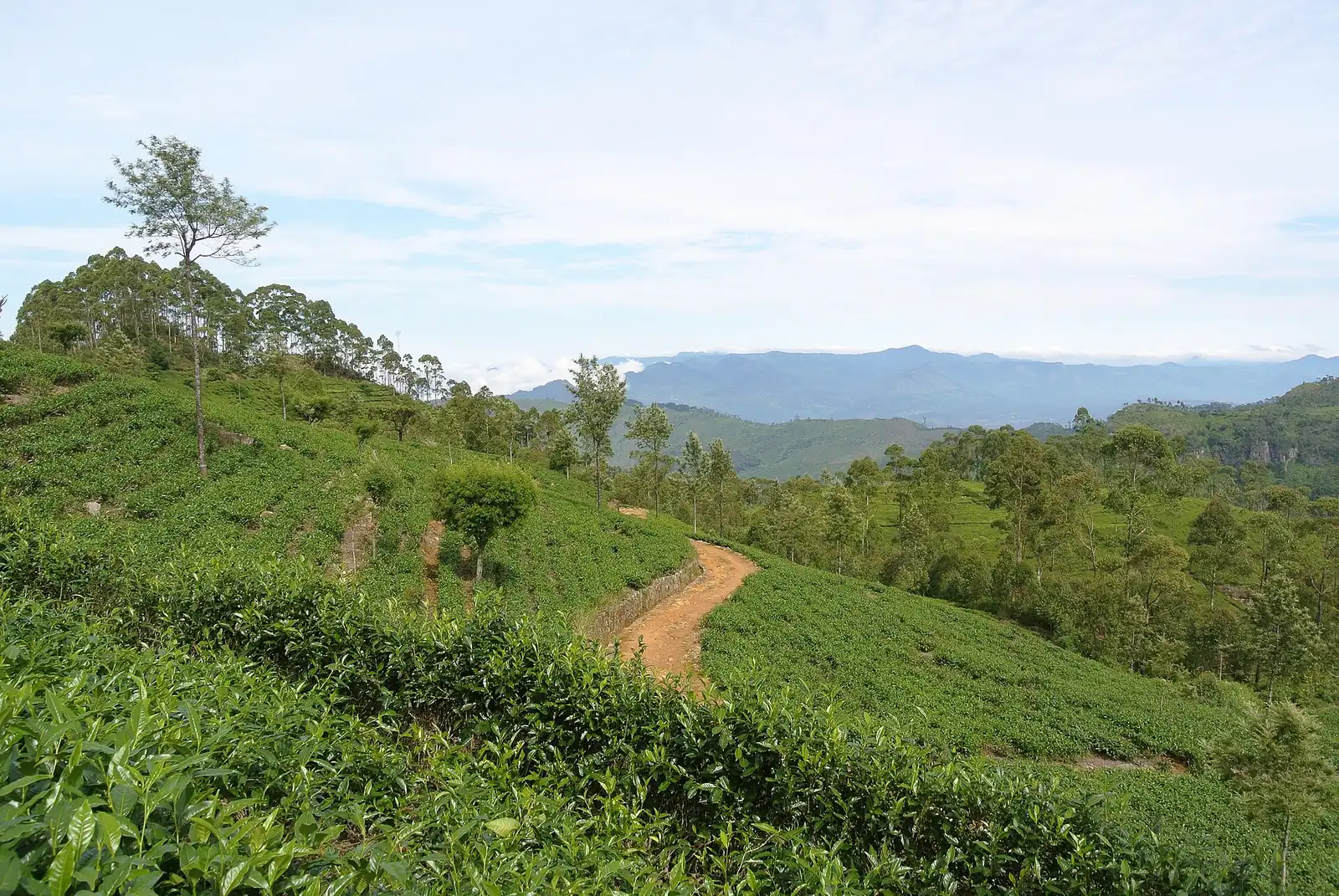
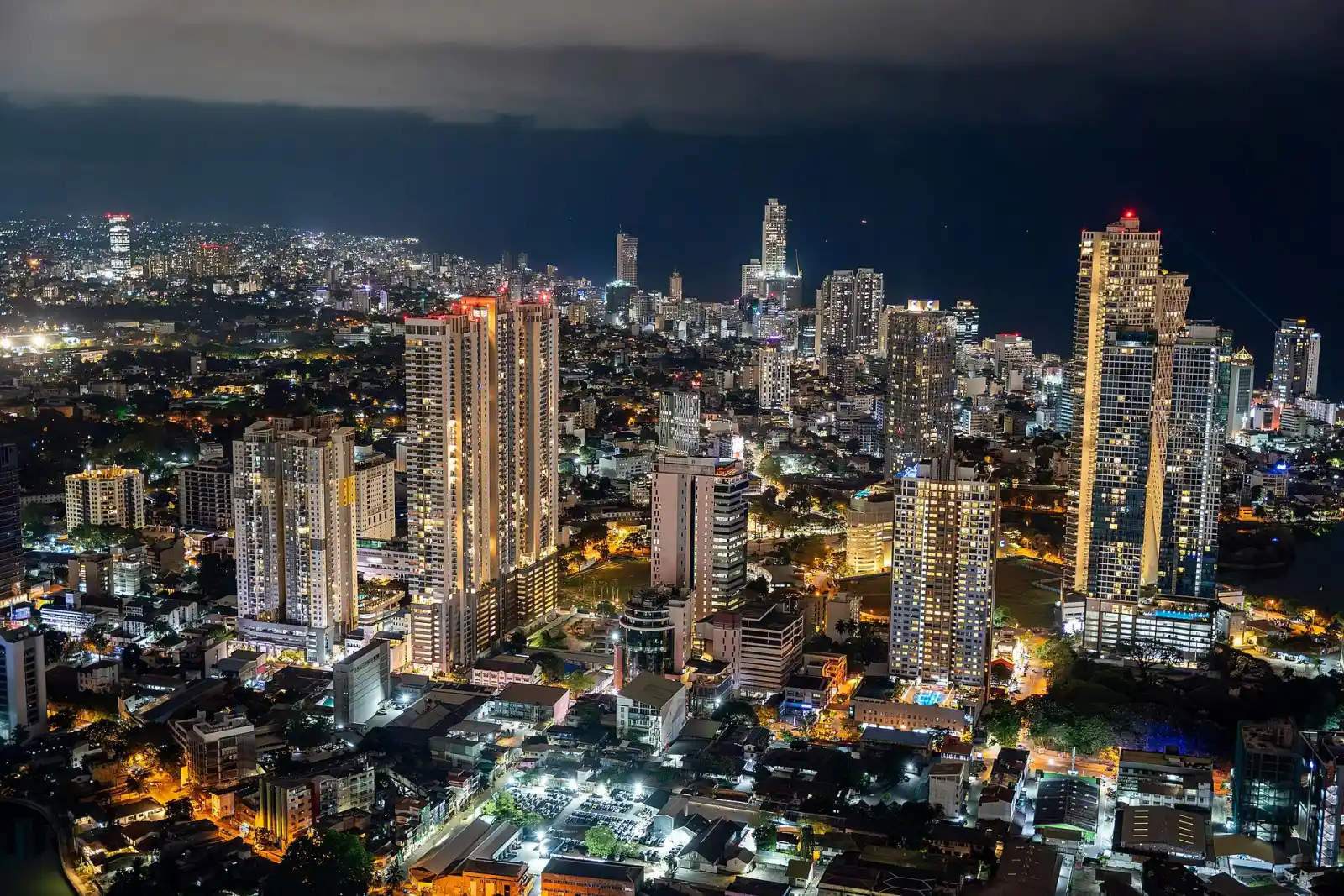
Sri Lanka in pictures

Arriving in Sri Lanka: first steps
- Arrange international health insurance covering Sri Lanka, as required for several routes.
- Keep your passport valid for at least the stated minimum period and prepare photos and security clearance forms.
- Obtain a police certificate issued within the stated recent period from your home or residence country.
- For family applicants, prepare marriage and birth certificates as evidence.
- For investor and digital nomad routes, open the required Sri Lankan bank accounts and route funds through the prescribed channels.
- Register with the Inland Revenue Department where your route requires it, and note that tax registration is separate from visa conditions.
Questions people ask
What is the Sri Lanka digital nomad visa income requirement in 2026?
Sri Lanka has 1 nomad or remote-work visa. Digital nomad visa asks for an income of at least $2,000 a month and gives a first stay of 1 year that can be renewed.
How much do you need to invest for residency in Sri Lanka?
Sri Lanka has 2 investor routes. Golden Paradise · $200k asks for an investment of at least $200,000. Investor visa · General asks for an investment from $100,000 and gives a first stay of 5 years that can be renewed.
What work visas does Sri Lanka offer foreigners?
Sri Lanka has 1 work visa. Employment visa gives a first stay of 1 year that can be renewed.
How do I get a student visa for Sri Lanka?
Sri Lanka has 1 student visa. Education visa gives a first stay of 1 year that can be renewed.
Can I join my spouse or partner in Sri Lanka?
Yes. Sri Lanka has 1 spouse visa. Spouse of a citizen gives a first stay of 1 year that can be renewed.
Compare with
≈ USD figures are approximate: daily reference rates from ExchangeRate-API, dated 12 Oct 2026, refreshed when the site is updated.
Ask the AI about Sri Lanka AI
An AI assistant answers from the published records on this page and cites them. It can't assess your personal eligibility. Don't include personal details.
Sources (3)
Official sources
- Residence Visa categories (employment, investor, education, spouse, Resident Guest, Digital Nomad, others) · Department of Immigration and Emigration of Sri Lanka · checked 2026-10-12
- Visa Fees · Department of Immigration and Emigration of Sri Lanka · checked 2026-10-12
- Investor Visa Category guideline · Department of Immigration and Emigration of Sri Lanka · checked 2026-10-12