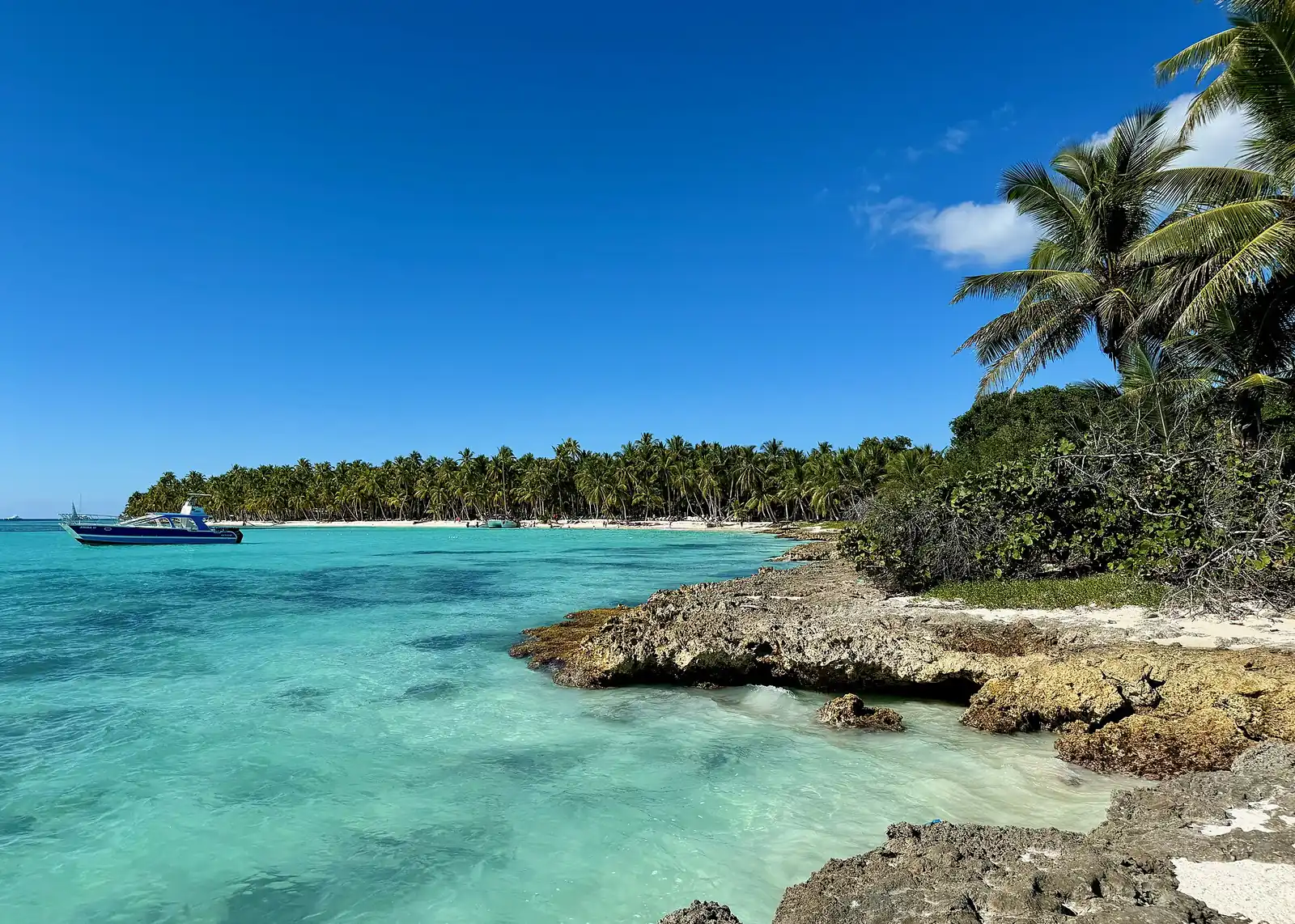
Moving to Dominican Republic
8 ways to move to Dominican Republic in our guide: 1 investor route, 2 pay-to-stay routes, 1 business / startup route, 2 work visas, 1 student visa, 1 spouse visa.
No digital nomad visa. Smallest investment: Investor residence · $200k, $200k+. Tax for newcomers: New residents: foreign-source income taxed only from the third year, Tax relief. Checked against official sources on .
The Dominican Republic offers a set of residence routes built around investment, retirement income or work, and the paperwork is handled through the migration service. Which route fits depends on where your money comes from and whether you plan to work locally.
Investing · 1

Investor residence · $200k
Investment needed: $200k+
Retire or live on savings · 2

Rentista residence
Income needed: $2,000+ a month
Pensioner residence
Income needed: $1,500+ a month
Business / Startup · 1

Business permit NG-1
First stay: 1 yr
Work · 2

Managers and technicians
First stay: 1 yr
Work residence RT-3
First stay: 1 yr
Student · 1

Student permit E-1
First stay: 1 yr
Spouse visas · 1

For people married to, or in a partnership with, a citizen or permanent resident.
Spouse of a citizen
First stay: 1 yr
Tax
Tax residence is based on time spent in the country, not on the type of permit you hold. Residents are taxed on Dominican-source income and on foreign-source investment and financial gains, while foreign-source salary and business income fall outside the charge. New residents are taxed on foreign-source income only from the third tax year counted from the year they became resident, and declared pension or rental income qualifying under the pensioner and rentier law is exempt from Dominican income tax.
Standard rules
Income tax: residents taxed on Dominican-source income and foreign-source investment income
Details
- On: Dominican-source income of residents and non-residents
- Limit: DOP 416k/yr ≈ $6,840
Residents of the Dominican Republic pay income tax on Dominican-source income and on foreign-source investment and financial gains; the 2026 scale is exempt to RD$416,220 and then 15%, 20% and 25%, with a 27% top rate planned from 2027.
Taxed on
Dominican-source income of residents and non-residents, and foreign-source income of residents from investments and financial gains; foreign-source salary and business income are outside the charge.
Who it applies to
- A person is resident if present in the country for more than 182 days, continuous or not, in the fiscal year.
- Residents pay tax on Dominican-source income and on foreign-source income from investments and financial gains.
- 2026 scale: exempt up to RD$416,220; 15% on the excess up to RD$624,329; RD$31,216 plus 20% up to RD$867,123; RD$79,776 plus 25% above that.
- From fiscal year 2027, Law 30-26 raises the exemption to RD$480,000 and sets a 27% rate for annual income above RD$4,800,000.
Exclusions
- Non-residents are taxed only on Dominican-source income.
Limits
- DOP 416,220 a year (≈ $6,840) · Exempt income in 2026
- DOP 624,329 a year (≈ $10,300) · Upper limit of the 15% band in 2026
- DOP 867,123 a year (≈ $14,200) · Lower limit of the 25% band in 2026
- DOP 480,000 a year (≈ $7,890) · Exempt income announced from fiscal year 2027
- DOP 4,800,000 a year (≈ $78,900) · Income above which a 27% rate is set from fiscal year 2027
Days in the country
- More than 182 days in fiscal year · Individuals present in the country for more than 182 days, continuous or not, in the fiscal year are residents for tax.
Tax residence
Residence for tax is more than 182 days in the fiscal year, not the type of residence permit.
Visas
Immigration status does not decide tax residence.
Other taxes
ITBIS (VAT), property and real estate transfer taxes are separate; some are reduced for pensioners and rentiers.
Checked against official sources on Change log
Special regime
New residents: foreign-source income taxed only from the third year
Tax relief
Details
- Who: The person is a national or a foreigner who starts to reside in the Dominican Republic
A person who becomes a resident is taxed on foreign-source income only from the third tax year counted from the year they became resident.
Taxed on
Foreign-source income of individuals who become resident. For residents the charge on foreign-source income covers investment income and financial gains; foreign-source salary and business income are outside it (see the ordinary income tax record).
Who it applies to
- The person is a national or a foreigner who starts to reside in the Dominican Republic.
- Foreign-source income is taxed only from the third tax year after the year in which residence began.
Exclusions
- Dominican-source income is taxed from the start.
Tax residence
Applies from the year the person becomes resident under the 182-day test.
Visas
Applies to any residence category.
Other taxes
Pensioners and rentiers have a separate exemption under Law 171-07. The Tax Code text on the tax authority's site could not be opened on 12 October 2026, so the three-year rule was not re-read.
Checked against official sources on , some details partly verifiedChange log
Special regime
Foreign-source pensioners and rentiers: declared income exempt and property tax relief
Tax relief
Details
- On: Pension or rental income declared to qualify for residence under Law 171-07
- Who: The holder has a pensioner or rentier residence under Law 171-07
- Limit: $1,500/mo
Declared pension or rental income that qualifies a person for Law 171-07 is exempt from Dominican income tax, with reductions in some property taxes.
Taxed on
Pension or rental income declared to qualify for residence under Law 171-07.
Who it applies to
- The holder has a pensioner or rentier residence under Law 171-07.
- The income declared to obtain the residence is exempt from income tax.
- Exemption from real estate transfer taxes on the first property purchased, and 50% off document tax and property tax while the residence is valid.
- 50% off the tax on mortgages and on capital gains when selling property bought under the law.
Exclusions
- Salary from work in the Dominican Republic is taxed like any other employee's pay.
Limits
- $1,500 a month · Minimum pension to qualify
- $2,000 a month · Minimum rental or other income to qualify
Tax residence
Linked to the pensioner and rentier residence.
Visas
Tied to the pensioner and rentier residence routes.
Other taxes
Law 171-07 also gives duty exemption on household goods and a partial exemption on vehicle taxes.
Checked against official sources on Change log
Checked against official sources on Change log
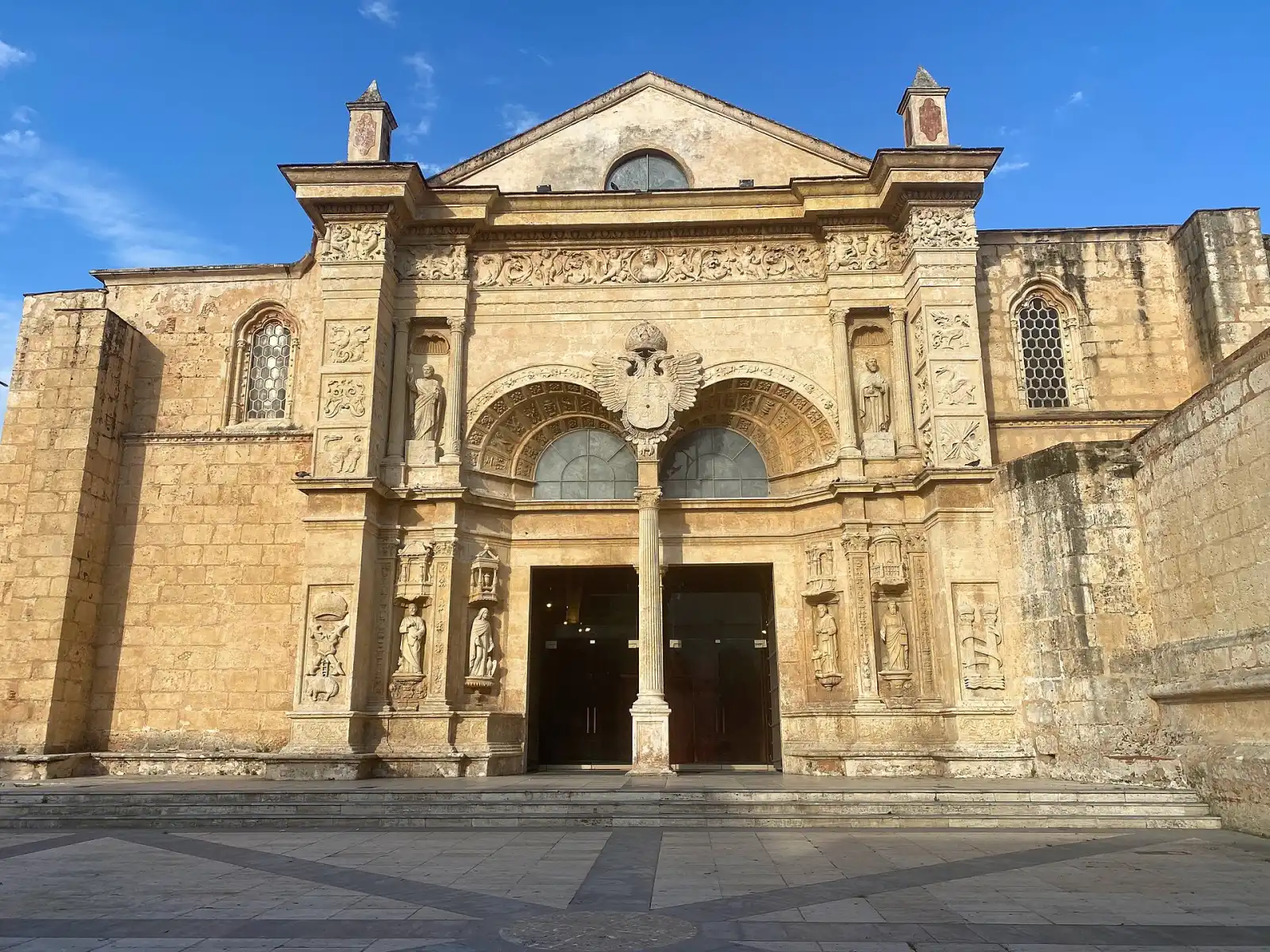
Dominican Republic in pictures
Path to permanent residence · 3
- PR after 1 year · Permanent residence as a foreign investor (US$200,000)
- PR after 10 years · Definitive residence (RD-1)
- PR after 1 year · Permanent residence (RP-1) after temporary residence
Arriving in Dominican Republic: first steps
- Arrange health cover that is valid in the Dominican Republic and approved by the migration service where your route requires it.
- Complete any medical exams at an institution authorised by the migration service.
- Open a Dominican bank account if your route asks for a bank letter or a solvency certification.
- Keep your passport, entry stamp and visa in order, and hold on to the criminal record and birth certificates you used, translated and apostilled where required.
- File through the migration service portal where the route allows it, and keep copies of everything you submit.
- If you take paid work, remember that pensioners and rentiers are taxed like any other employee on that income.
Questions people ask
How much do you need to invest for residency in Dominican Republic?
Dominican Republic has 1 investor route. Investor residence · $200k asks for an investment of at least $200,000.
Can I retire or live in Dominican Republic on my savings or pension?
Dominican Republic has 2 retirement or pay-to-stay routes. Rentista residence asks for an income of at least $2,000 a month and gives a first stay of 1 year that can be renewed. Pensioner residence asks for an income of at least $1,500 a month and gives a first stay of 1 year that can be renewed.
Can I move to Dominican Republic by starting a business?
Dominican Republic has 1 business or startup route. Business permit NG-1 gives a first stay of 1 year that can be renewed.
What work visas does Dominican Republic offer foreigners?
Dominican Republic has 2 work visas. Managers and technicians gives a first stay of 1 year that can be renewed. Work residence RT-3 gives a first stay of 1 year that can be renewed.
How do I get a student visa for Dominican Republic?
Dominican Republic has 1 student visa. Student permit E-1 gives a first stay of 1 year that can be renewed.
Can I join my spouse or partner in Dominican Republic?
Yes. Dominican Republic has 1 spouse visa. Spouse of a citizen gives a first stay of 1 year that can be renewed.
Does Dominican Republic have a special tax regime for new residents?
Yes: New residents: foreign-source income taxed only from the third year. A person who becomes a resident is taxed on foreign-source income only from the third tax year counted from the year they became resident. It is separate from the visa and has its own conditions.
Compare with
≈ USD figures are approximate: daily reference rates from ExchangeRate-API, dated 12 Oct 2026, refreshed when the site is updated.
Ask the AI about Dominican Republic AI
An AI assistant answers from the published records on this page and cites them. It can't assess your personal eligibility. Don't include personal details.