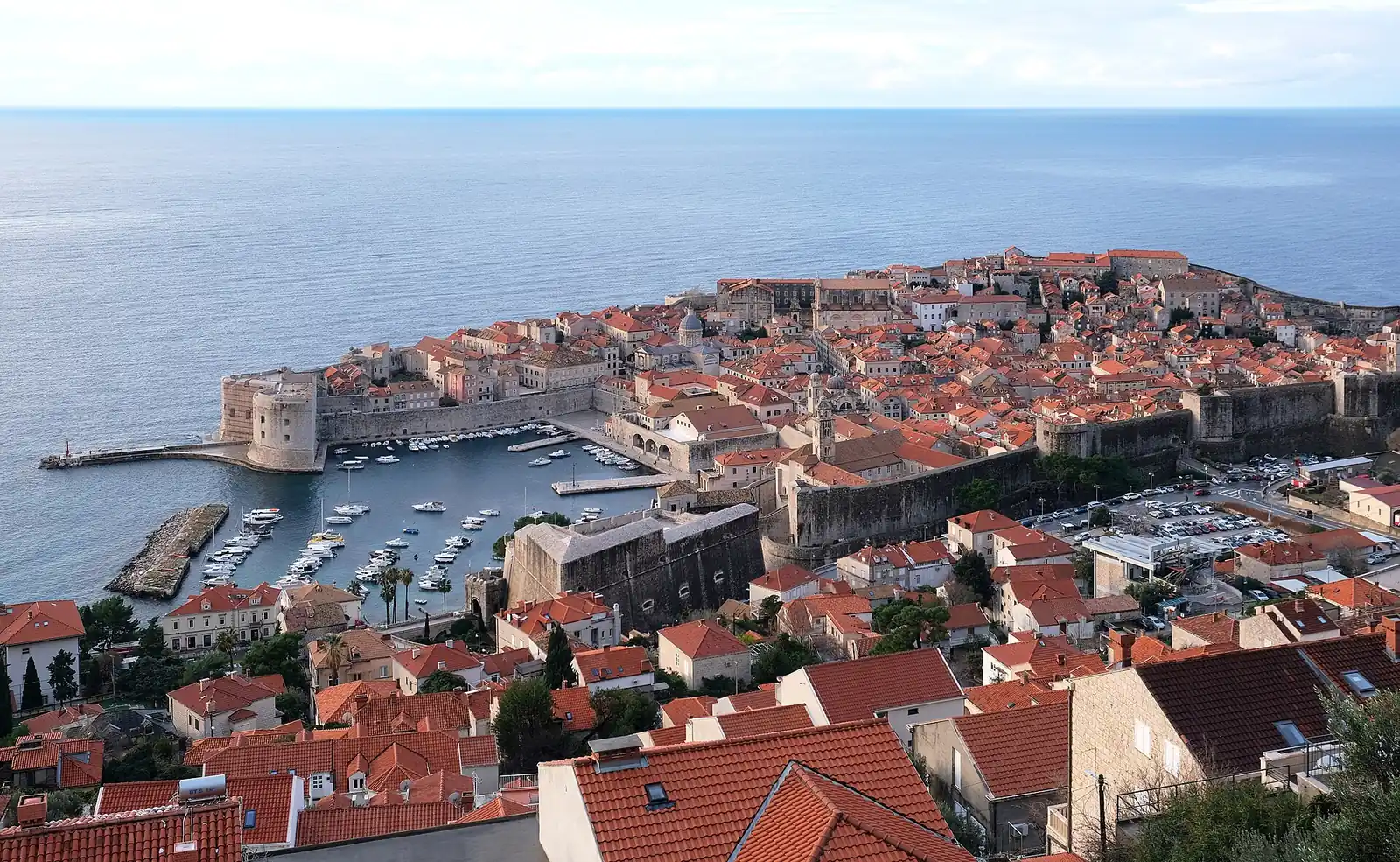
Moving to Croatia
8 ways to move to Croatia in our guide: 1 nomad / remote-work visa, 1 business / startup route, 3 work visas, 1 student visa, 1 route by nationality or ancestry, 1 spouse visa.
Remote workers: Digital nomad stay, €3,623+ a month ≈ $4,050. Smallest investment: Own-company owner permit, €27k+ ≈ $30k. Checked against official sources on .
Croatia offers a mix of routes for remote workers, business owners, employees, and students. The digital nomad stay is designed for people who work remotely for a foreign employer or their own company abroad, while other permits cover local employment, self-employment through a company, or study.
Nomad / Remote work · 1

Digital nomad stay
Income needed: €3,623+ a month ≈ $4,050
Business / Startup · 1

Own-company owner permit
Investment needed: €27k+ ≈ $30k
Work · 3

Blue Card
First stay: 4 yrs
Work permit
First stay: 3 yrs
Researcher permit
Income needed: €826+ a month ≈ $920
Student · 1

Student stay
Income needed: €362+ a month ≈ $400
For your nationality or ancestry · 1

Open only to citizens of certain countries or to people with family roots here. Unlike free movement, each needs an application.
Croatian citizenship for emigrant descendants
Spouse visas · 1

For people married to, or in a partnership with, a citizen or permanent resident.
Spouse of a resident
First stay: 2 yrs
Free movement and visa-free stays · 1
EU free movement · Lets you live here
Open to 31 passports: Austria, Belgium, Bulgaria, Croatia, Cyprus, Czechia, Denmark, Estonia, Finland, France, Germany, Greece, Hungary, Iceland, Ireland, Italy, Latvia, Liechtenstein, Lithuania, Luxembourg, Malta, Netherlands, Norway, Poland, Portugal, Romania, Slovakia, Slovenia, Spain, Sweden, Switzerland.
Tax
Croatia taxes residents on worldwide income and non-residents on Croatian-source income. Personal income tax rates are set locally and apply to income up to a threshold and above it. Special regimes exist for companies and flat-rate trades, but these are separate from your stay permit.
Special regime
Profit tax: 10% up to EUR 1,000,000 revenue, 18% above
10% tax
Details
- On: Profit of the company
- Who: Companies and other profit-tax payers with revenue up to EUR 1,000,000 (≈ $1,120,000) apply the 10% rate
- Limit: €1M/yr ≈ $1.1M
Croatian companies pay 10% profit tax if revenue in the tax period is up to EUR 1,000,000 (≈ $1,120,000) and 18% above that.
Taxed on
Profit of the company; rate depends on annual revenue.
Who it applies to
- Companies and other profit-tax payers with revenue up to EUR 1,000,000 (≈ $1,120,000) apply the 10% rate.
Exclusions
- Revenue above EUR 1,000,000 (≈ $1,120,000) is taxed at 18%.
Limits
- EUR 1,000,000 a year (≈ $1,120,000) · Revenue ceiling for the 10% rate
Tax residence
Applies to Croatian-resident companies; withholding of 15% on certain payments abroad and 10% on dividends and shares in profit.
Visas
Independent of any visa.
Other taxes
Dividends are subject to income tax or withholding (see profit tax page).
Checked against official sources on Change log
Special regime
Flat-rate trade owner (obrt pausalist) tax up to EUR 60,000 receipts
12% tax
Details
- Who: Natural person carrying on a trade
- Limit: €60k/yr ≈ $67k
Trade owners outside VAT with receipts up to EUR 60,000 (≈ $67,000) pay annual income tax of 12% on a flat income set by the receipts band, from EUR 203.40 (≈ $230) in the lowest band to EUR 1,080 (≈ $1,210) in the EUR 50,000.01 (≈ $55,900) to 60,000 band.
Taxed on
Annual flat-rate income set by receipts band: EUR 1,695 (≈ $1,890) (receipts to EUR 11,300 (≈ $12,600)), 2,295, 2,985, 4,590, 6,000, 7,500 and EUR 9,000 (≈ $10,100) (receipts EUR 50,000.01 (≈ $55,900) to 60,000); tax is 12% of that flat income, paid quarterly.
Who it applies to
- Natural person carrying on a trade (obrt) who is not a VAT payer on that basis and whose receipts are not above EUR 60,000 (≈ $67,000).
- New trades register with the Tax Administration within 8 days of the trade register decision and choose the flat-rate method.
Exclusions
- Liberal professions (for example health workers, veterinarians, athletes, lawyers) cannot use the flat-rate method.
- Above EUR 60,000 (≈ $67,000) of receipts, which is also the mandatory VAT registration level, the ordinary regime applies.
- The tax is cut by 25% in Vukovar, assisted local units and island group I areas.
Limits
- EUR 60,000 a year (≈ $67,000) · Maximum receipts for the flat-rate regime and level for mandatory VAT registration
- EUR 1,080 a year (≈ $1,210) · Annual flat-rate income tax in the top band (receipts EUR 50,000.01 (≈ $55,900) to 60,000)
- EUR 203.4 a year (≈ $230) · Annual flat-rate income tax in the lowest band (receipts up to EUR 11,300 (≈ $12,600))
Tax residence
Available to taxpayers carrying on a trade in Croatia.
Visas
Not tied to a visa; non-EU nationals need a permit that allows self-employment, such as the owner permit.
Other taxes
Mandatory contributions are paid monthly on a 2026 base of EUR 797.20 (≈ $890): pillar I 15% (EUR 119.58 (≈ $130)), pillar II 5% (EUR 39.86 (≈ $45)) and health 16.5% (EUR 131.54 (≈ $150)), or EUR 1,434.96 (≈ $1,600), 478.32 and 1,578.48 a year; local surtax may apply.
Checked against official sources on Change log
Standard rules
Personal income tax: local rates 15-23% up to EUR 60,000 and 25-33% above
Worldwide income
Details
- On: Worldwide income of tax residents
- Who: Resident taxpayers are taxed on worldwide income
- Limit: €60k/yr ≈ $67k
Income tax is set by local authorities at 15-23% up to EUR 60,000 (≈ $67,000) a year and 25-33% above (20% and 30% where no local decision exists); 23% and 33% are the Zagreb maximum, and municipalities, towns and large cities have lower caps.
Taxed on
Worldwide income of tax residents; Croatian-source income of non-residents.
Who it applies to
- Resident taxpayers are taxed on worldwide income; non-residents on income earned in Croatia.
Limits
- EUR 60,000 a year (≈ $67,000) · Threshold between lower and higher rate bands (EUR 5,000 (≈ $5,590) a month)
- EUR 600 a month (≈ $670) · Basic personal allowance (non-taxable part of income), EUR 7,200 (≈ $8,040) a year; it is increased for dependants (for example EUR 300 (≈ $340) a month for a dependent family member or a first child)
Days in the country
- At least 183 days in one or two calendar years · Owning an apartment or having one at disposal for at least 183 days in one or two calendar years establishes permanent residence for tax; actual stay is not required.
- At least 183 days in one or two calendar years · A continuous or time-linked stay of at least 183 days in one or two calendar years establishes habitual residence for tax.
Tax residence
Tax residents are taxed on worldwide income. Permanent residence exists where the person owns an apartment or has one at disposal for at least 183 days in one or two calendar years; habitual residence is a continuous or time-linked stay of at least 183 days in one or two calendar years.
Visas
Immigration status does not decide tax residence.
Other taxes
Contributions, surtax and VAT are separate. Income of digital nomads from employers not registered in Croatia is exempt (see the digital nomad exemption).
Checked against official sources on Change log
Special regime
Income tax exemption for digital nomads
Tax relief
Details
- Who: Holds the temporary stay for digital nomads granted under the Aliens Act
Income from employment or work for an employer or own company not registered in Croatia is not subject to Croatian income tax while the person holds digital nomad status.
Taxed on
Receipts from employment or self-employment for an employer or company not registered in Croatia, earned on the basis of acquired digital nomad status.
Who it applies to
- Holds the temporary stay for digital nomads granted under the Aliens Act.
- The work is done for a company or own company not registered in Croatia and does not serve employers or customers in Croatia.
Exclusions
- Work or services for Croatian employers are outside the digital nomad status and its exemption.
- Income from other sources, such as Croatian-source property income, follows the ordinary income tax rules.
Tax residence
Listed among receipts on which income tax is not paid (point 26); the exemption rests on the nomad status, not on a day count.
Visas
Depends on holding the temporary stay for digital nomads (see “Temporary stay of digital nomad”).
Other taxes
Social contributions, VAT and taxes in the home country are separate and not covered by this exemption.
Checked against official sources on Change log
Checked against official sources on Change log
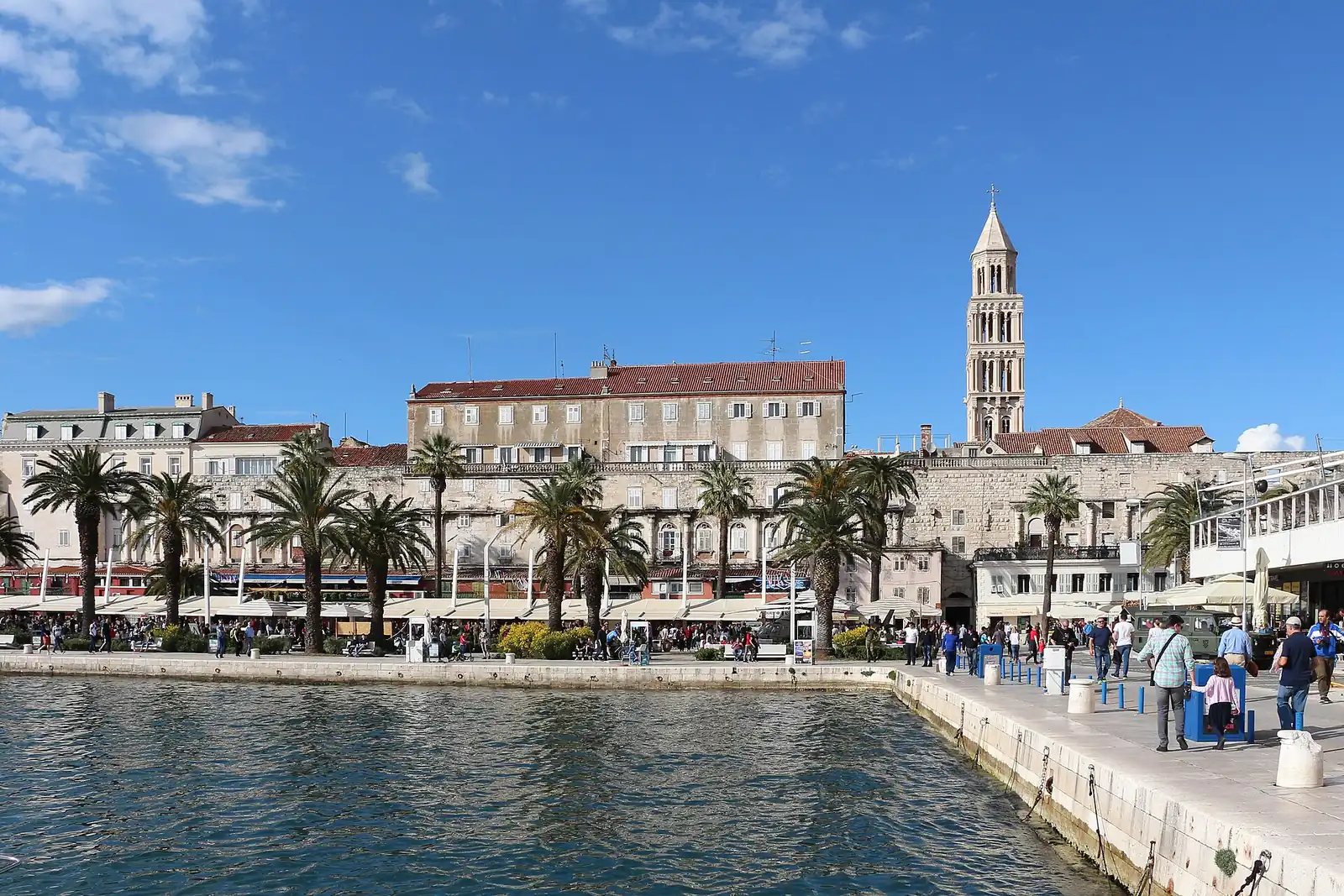
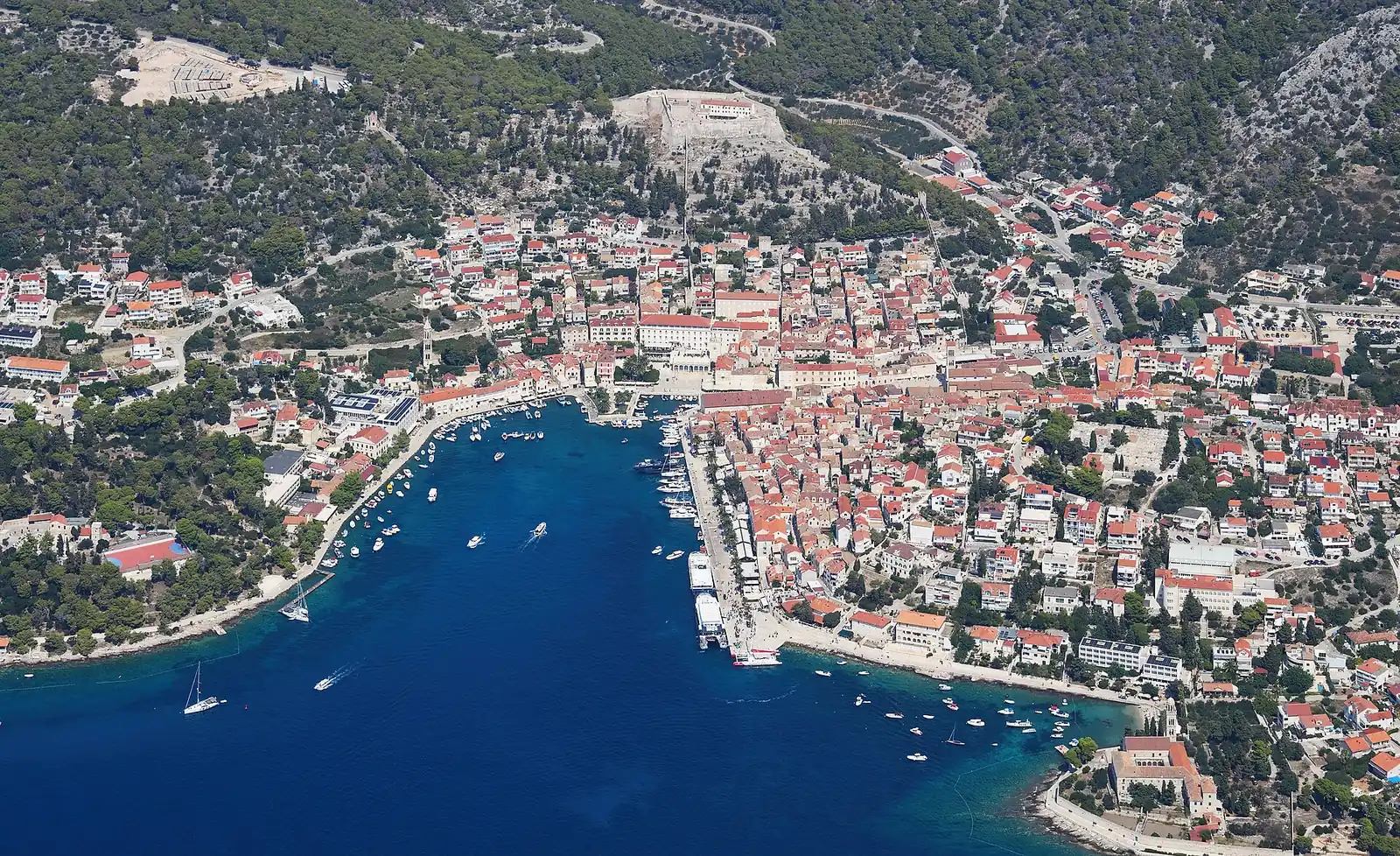
Croatia in pictures


Switch to later · 1
Work
Graduate job search
Income needed: €869+ a month ≈ $970
Path to permanent residence · 2
- Citizenship · Croatian citizenship by naturalisation for emigrants and their descendants (Zakon o hrvatskom državljanstvu Article 11)
- PR after 5 years · Long-term residence and permanent stay
Arriving in Croatia: first steps
- Arrange travel or private health insurance valid in Croatia before you arrive.
- Obtain a clean criminal record certificate from your home country or last residence.
- Provide a local address in Croatia for your application.
- If you are a student, show sufficient means for maintenance and return.
- If you are an employee, your employer will usually need to request a labour-market test and Employment Service opinion.
Questions people ask
What is the Croatia digital nomad visa income requirement in 2026?
Croatia has 1 nomad or remote-work visa. Digital nomad stay asks for an income of at least EUR 3,622.5 a month (≈ $4,050) and gives a first stay of 1.5 years that can be renewed.
Can I move to Croatia by starting a business?
Croatia has 1 business or startup route. Own-company owner permit asks for an investment of at least EUR 26,544.56 (≈ $29,700) and gives a first stay of 2 years that can be renewed.
What work visas does Croatia offer foreigners?
Croatia has 3 work visas. Blue Card gives a first stay of 4 years that can be renewed. Work permit gives a first stay of 3 years that can be renewed. Researcher permit asks for a salary of at least EUR 825.93 a month (≈ $920) and gives a first stay of 1 year that can be renewed.
How do I get a student visa for Croatia?
Croatia has 1 student visa. Student stay asks for an income of at least EUR 362.25 a month (≈ $400) and gives a first stay of 3 years that can be renewed.
Can my nationality or ancestry give me residence in Croatia?
Yes. Croatia has 1 route by nationality or ancestry. It is Croatian citizenship for emigrant descendants.
Can I join my spouse or partner in Croatia?
Yes. Croatia has 1 spouse visa. Spouse of a resident gives a first stay of 2 years.
Compare with
≈ USD figures are approximate: daily reference rates from ExchangeRate-API, dated 12 Oct 2026, refreshed when the site is updated.
Ask the AI about Croatia AI
An AI assistant answers from the published records on this page and cites them. It can't assess your personal eligibility. Don't include personal details.