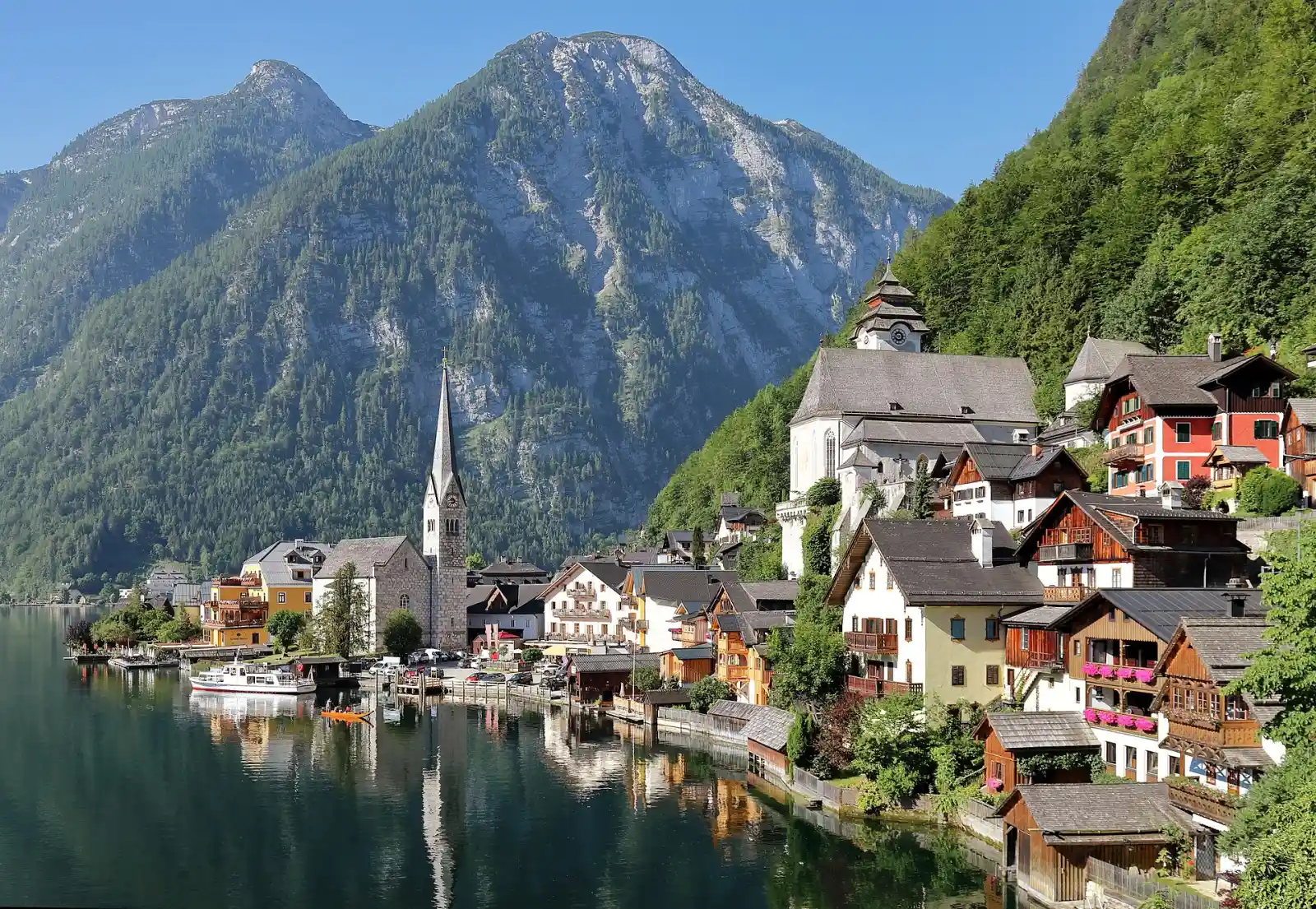
Moving to Austria
14 ways to move to Austria in our guide: 1 talent scheme, 1 working holiday visa, 1 pay-to-stay route, 2 business / startup routes, 6 work visas, 1 student visa, 2 spouse visas.
No digital nomad visa. Smallest investment: Red-White-Red · Start-up, €30k+ ≈ $34k. Checked against official sources on .
Austria offers a range of routes for people who want to move there, from working holidays to skilled work, study, business and financially independent residence. The right route depends on your situation, and each has its own requirements and conditions.
Talent schemes · 1

Artist permit
Working holiday · 1

Working Holiday
Age limit: Ages 18–30
Retire or live on savings · 1

Financially independent permit
Income needed: €2,617+ a month ≈ $2,920
Business / Startup · 2

Red-White-Red
Investment needed: from €30k ≈ $34k
Work · 6

Student · 1

Student permit
Spouse visas · 2

For people married to, or in a partnership with, a citizen or permanent resident.
Spouse of a citizen
Income needed: €2,064+ a month ≈ $2,310
Spouse of a resident
Income needed: €2,064+ a month ≈ $2,310
Free movement and visa-free stays · 1
EU free movement · Lets you live here
Open to 31 passports: Austria, Belgium, Bulgaria, Croatia, Cyprus, Czechia, Denmark, Estonia, Finland, France, Germany, Greece, Hungary, Iceland, Ireland, Italy, Latvia, Liechtenstein, Lithuania, Luxembourg, Malta, Netherlands, Norway, Poland, Portugal, Romania, Slovakia, Slovenia, Spain, Sweden, Switzerland.
Tax
Austria taxes residents on their worldwide income under a progressive scale. For scientists and researchers who relocate, a special regime exempts part of income from scientific activity for a limited period from the move.
Special regime
Relocation allowance for scientists and researchers (Zuzugsfreibetrag, Section 103(1a) EStG)
30% tax
Details
- On: Income from scientific activity taxed under the income tax scale (Section 33(1) EStG)
- Who: Relocating scientist or researcher
30 percent of income from domestic and foreign scientific activity taxed at the scale rate is exempt, granted by decision for five years from relocation.
Taxed on
Income from scientific activity taxed under the income tax scale (Section 33(1) EStG).
Who it applies to
- Relocating scientist or researcher; evidence is mainly an employment contract, collective-agreement grading, CV, publication list and research-project responsibility.
- Written application to Finanzamt Österreich within six months after the move; may be filed before the move (form E103, in German).
Exclusions
- The allowance is reserved for scientists and researchers; artists and athletes can only apply for removal of tax surcharges on foreign-source income (see the separate record).
Tax residence
Relocation means taking an Austrian dwelling and moving the centre of vital interests to Austria; with a partner or minor children, the move generally counts once they have relocated too. Granted for five years from the move.
Visas
Separate from the residence permit; researchers often use a settlement permit for researchers.
Other taxes
Social security contributions are separate.
Checked against official sources on Change log
Standard rules
Personal income tax scale 2026 (ordinary)
Progressive rates
Details
- On: Taxable annual income
- Limit: €14k/yr ≈ $15k
Progressive rates: 0% to EUR 13,539 (≈ $15,100); 20% to 21,992; 30% to 36,458; 40% to 70,365; 48% to 104,859; 50% to 1,000,000; 55% above (55% limited to 2016-2029).
Taxed on
Taxable annual income.
Who it applies to
- Tax scale applies to individuals with Austrian taxable income.
Limits
- EUR 13,539 a year (≈ $15,100) · Zero-rate band (0%).
- EUR 21,992 a year (≈ $24,600) · Upper limit of the 20% band.
- EUR 36,458 a year (≈ $40,700) · Upper limit of the 30% band.
- EUR 70,365 a year (≈ $78,600) · Upper limit of the 40% band.
- EUR 104,859 a year (≈ $117,000) · Upper limit of the 48% band.
- EUR 1,000,000 a year (≈ $1,120,000) · Upper limit of the 50% band; 55% above, temporary for 2016 to 2029.
Tax residence
Applies to individuals with unlimited tax liability (residence or habitual abode in Austria).
Visas
Independent of the permit.
Other taxes
Rates above the EUR1,000,000 (≈ $1,120,000) band (55%) apply temporarily from 2016 to 2029.
Checked against official sources on Change log
Standard rules
Ordinary residence-based taxation of worldwide income
Worldwide income
Details
- Who: Residence (Wohnsitz): an Austrian dwelling the person evidently keeps available and uses
Persons with a residence (Wohnsitz) or habitual abode in Austria are subject to unlimited income tax liability, so their foreign-source income is taxed in Austria together with Austrian income; habitual abode arises after six months of stay, retroactively.
Taxed on
Worldwide income (domestic and foreign-source) of persons with a residence or habitual abode in Austria; persons without either are taxed only on certain Austrian-source income.
Who it applies to
- Residence (Wohnsitz): an Austrian dwelling the person evidently keeps available and uses.
- Habitual abode: stay in Austria that is evidently not merely temporary; unlimited liability applies after six months of stay.
Exclusions
- Non-residents with Austrian employment or pension income have limited liability on Austrian-source income only.
Tax residence
Unlimited liability arises in any case after six months of stay in Austria, retroactively to arrival. Nationality is irrelevant to income tax liability. The 2026 scale is in “Personal income tax scale 2026” and the scientist allowance and foreign-income relief are in the relocation records.
Visas
Independent of the residence permit; tax residence arises from dwelling or length of stay.
Checked against official sources on Change log
Special regime
Relocation relief for foreign-source income of scientists, researchers, artists and athletes (section 103(1) EStG)
15% tax
Details
- On: Foreign-source income not covered by section 98 EStG
Foreign-source income of qualifying new residents is taxed at a flat average rate (minimum 15%) based on their foreign tax in the last three years, instead of the Austrian scale, for ten calendar years; the rate then rises two percentage points a year until it reaches 48%.
Taxed on
Foreign-source income not covered by section 98 EStG (Austrian-source income cannot be relieved).
Who it applies to
- Scientists, researchers, artists and athletes who relocate to Austria and meet the further conditions of the Relocation Relief Ordinance (ZBV 2016).
- Flat rate equals foreign-source income tax paid in the last three calendar years before the move divided by foreign-source income in the same period, adapted to Austrian tax rules, and is at least 15%.
- Written application to Finanzamt Österreich within six months after the move; may be filed before the move.
Exclusions
- Austrian-source income cannot be relieved.
Tax residence
Relocation requires an Austrian dwelling and the centre of vital interests in Austria. Granted from the date of the move; the rate rises two points a year after the tenth calendar year and the relief ends in the calendar year the rate first reaches at least 48%.
Visas
Separate from the residence permit.
Other taxes
Social security contributions are separate.
Checked against official sources on Change log
Checked against official sources on Change log
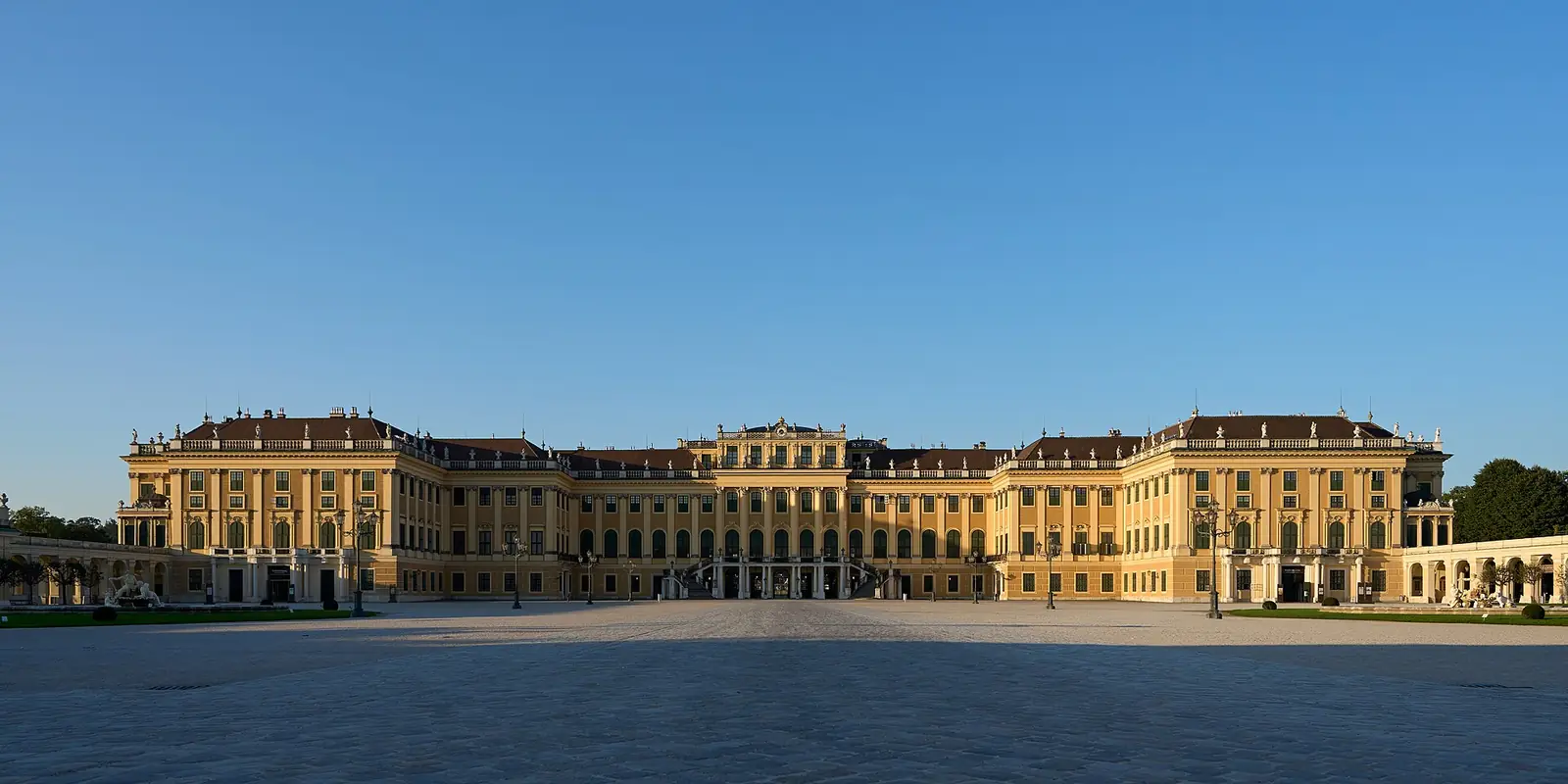
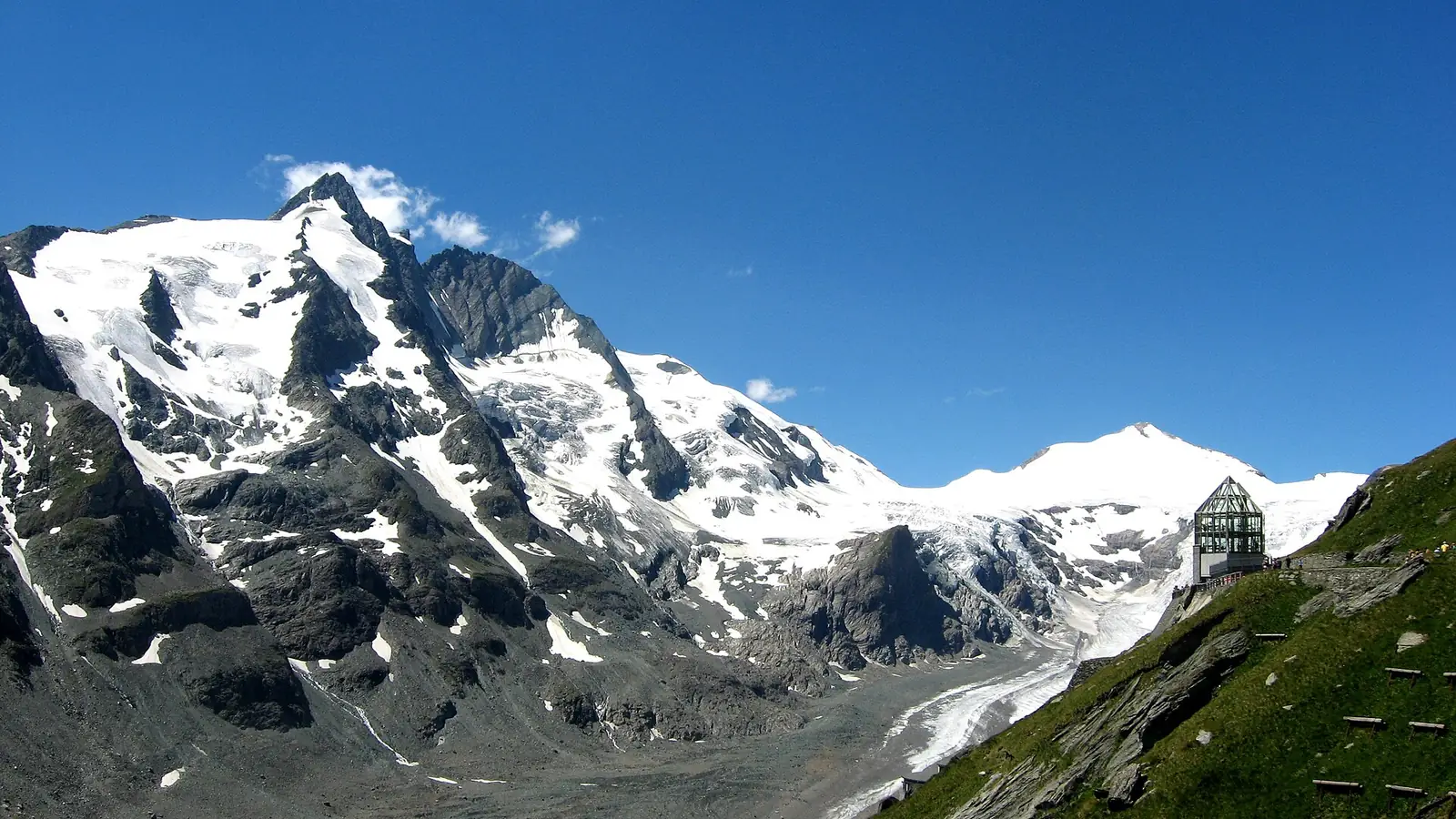
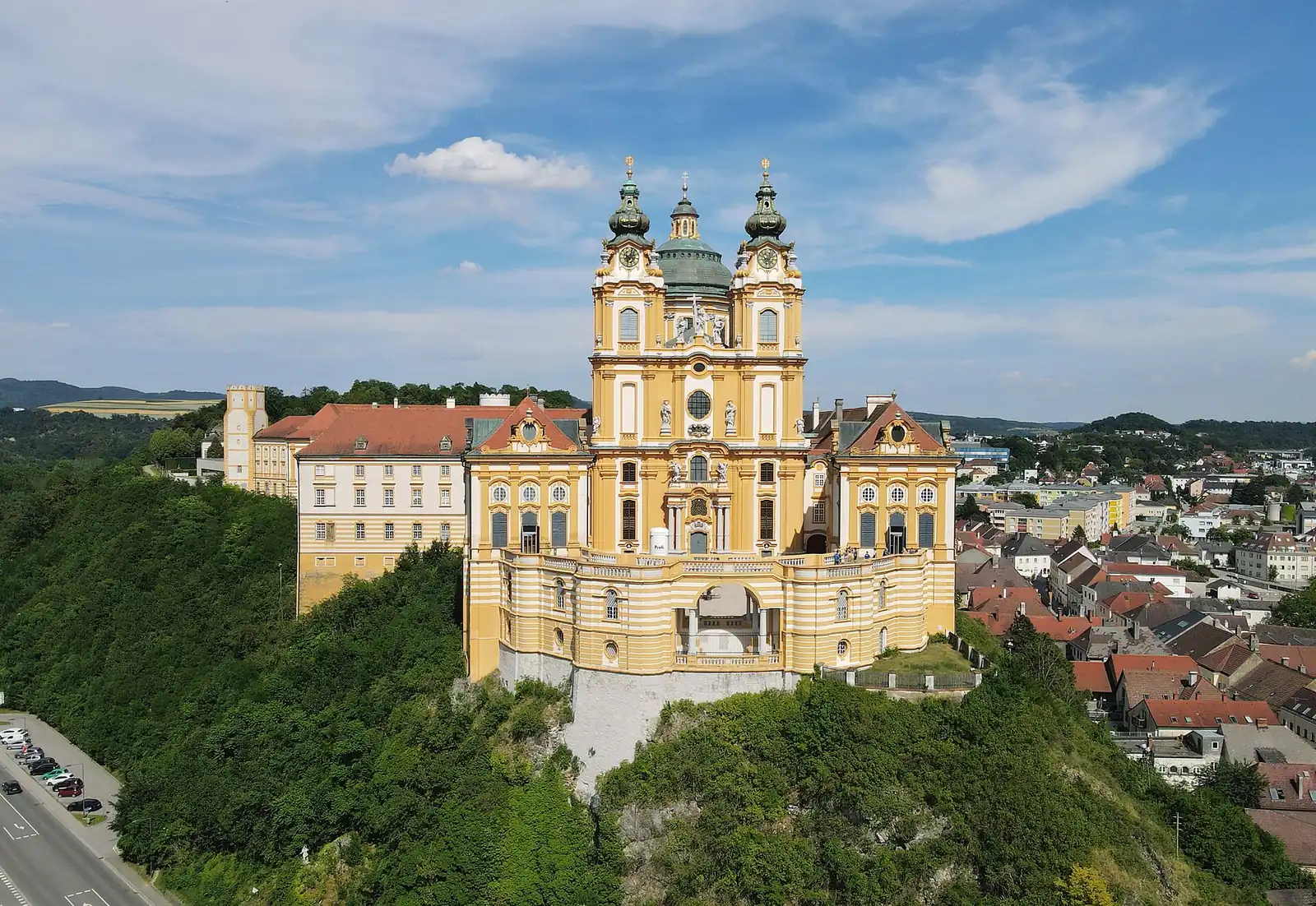
Austria in pictures

Switch to later · 3
Work
Red-White-Red · Graduates
First stay: 1 yr
Work
Red-White-Red · Tourism/farm
First stay: 2 yrs
Work
Red-White-Red Plus
First stay: 1 yr
Path to permanent residence · 1
- PR · Long-term resident – EU
Arriving in Austria: first steps
- Arrange health insurance that covers all risks, as required for most permits.
- Secure adequate accommodation under a legal title, unless your permit does not require it.
- Register your address with the local authorities after moving in.
- Open a bank account for salary, rent and daily transactions.
- Apply for any tax relief you may be eligible for, such as the relocation allowance for scientists and researchers.
- Keep your permit conditions in mind, especially work restrictions and any employer binding.
Questions people ask
What special talent visas does Austria have?
Austria has 1 talent scheme. It is Artist permit.
Does Austria have a working holiday visa?
Yes. Austria has 1 working holiday visa. Working Holiday is for ages 18 to 30 and gives a first stay of 1 year.
Can I retire or live in Austria on my savings or pension?
Austria has 1 retirement or pay-to-stay route. Financially independent permit asks for an income of at least EUR 2,616.78 a month (≈ $2,920).
Can I move to Austria by starting a business?
Austria has 2 business or startup routes. Red-White-Red · Self-employed asks for an investment of at least EUR 100,000 (≈ $112,000) and gives a first stay of 2 years that can be renewed. Red-White-Red · Start-up asks for an investment of at least EUR 30,000 (≈ $33,500) and gives a first stay of 2 years that can be renewed.
What work visas does Austria offer foreigners?
Austria has 6 work visas. Blue Card asks for a salary of at least EUR 55,678 a year (≈ $62,200) and gives a first stay of 2 years that can be renewed. Red-White-Red · Key worker asks for a salary of at least EUR 3,465 a month (≈ $3,870) and gives a first stay of 2 years that can be renewed. Red-White-Red · Shortage job gives a first stay of 2 years that can be renewed.
How do I get a student visa for Austria?
Austria has 1 student visa. It is Student permit.
Can I join my spouse or partner in Austria?
Yes. Austria has 2 spouse visas. Spouse of a citizen asks for an income of at least EUR 2,064.12 a month (≈ $2,310) and gives a first stay of 1 year that can be renewed. Spouse of a resident asks for an income of at least EUR 2,064.12 a month (≈ $2,310) and gives a first stay of 1 year that can be renewed.
Compare with
≈ USD figures are approximate: daily reference rates from ExchangeRate-API, dated 12 Oct 2026, refreshed when the site is updated.
Ask the AI about Austria AI
An AI assistant answers from the published records on this page and cites them. It can't assess your personal eligibility. Don't include personal details.